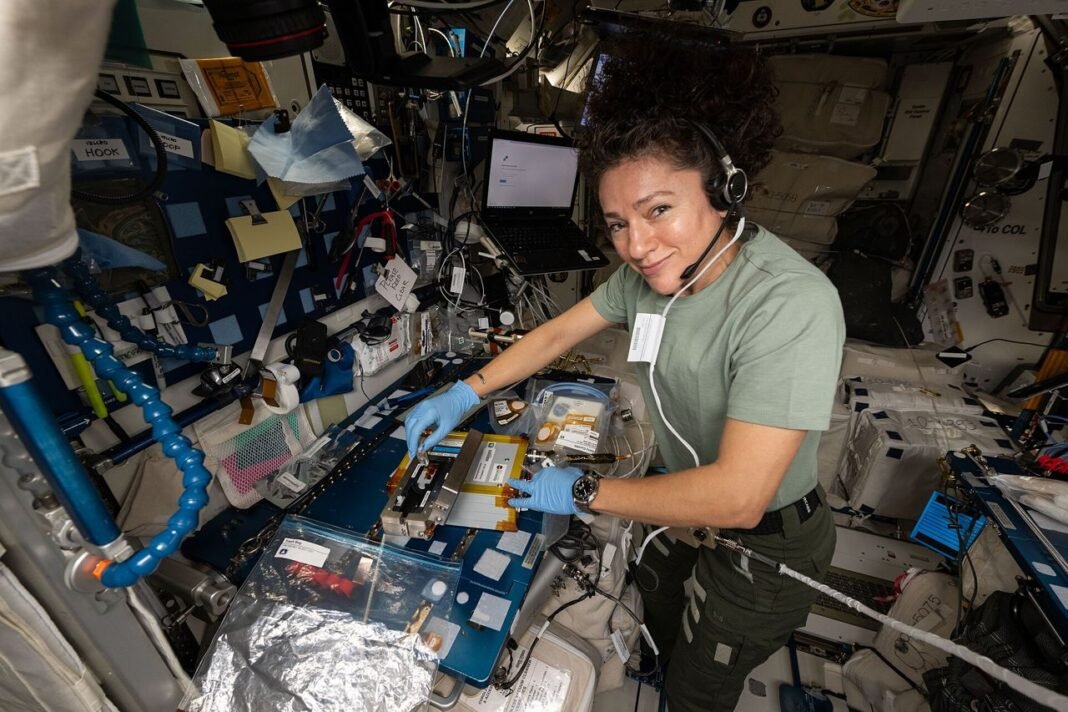
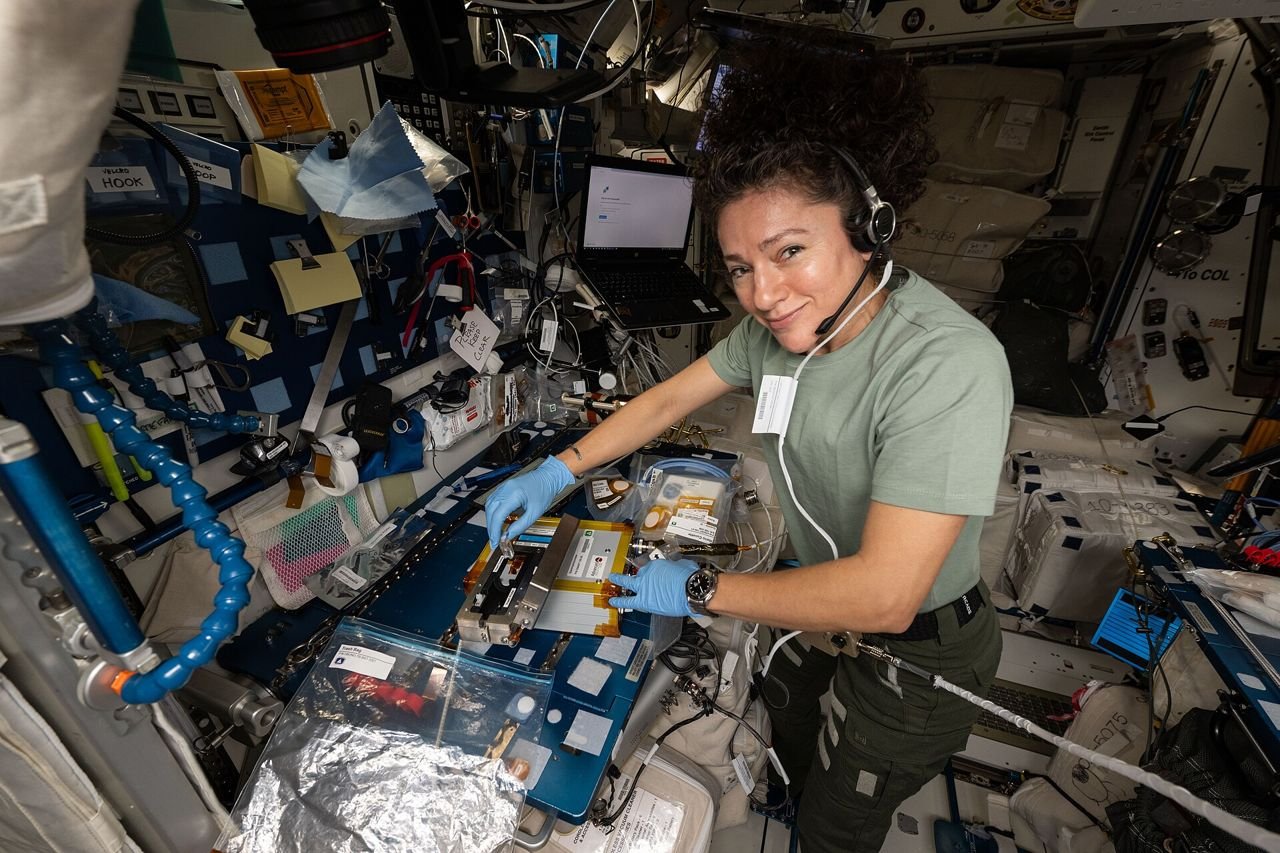
Women in STEM are changing the world, yet the numbers behind them tell a tougher story. According to UNESCO, women make up only about one in three researchers worldwide. In 2026, the global push for gender equality in science, technology, engineering, and mathematics has never been stronger.
The Global Numbers Behind Women in STEM
The data leaves little room for doubt. UNESCO reports that women account for just 35 percent of STEM graduates worldwide, a figure that has barely moved in a decade. The World Economic Forum puts women at 28.2 percent of the STEM workforce. Moreover, the gap widens at the top. Its Global Gender Gap Report 2026 found that women hold only 19.3 percent of AI engineering roles and 25.3 percent of senior management posts at AI companies. In engineering, artificial intelligence, and physics, representation falls even further. The United Nations marks the International Day of Women and Girls in Science every February 11 to spotlight these gaps.
The Barriers Women in STEM Still Face
Experts say the real challenge is not entry but continuity. Many women earn STEM degrees yet leave technical careers at higher rates than men. In addition, workplace cultures often reward uninterrupted career paths and long hours that clash with caregiving duties. Funding shows the same pattern. Research has found that identical proposals can receive different scores based on the perceived gender of the applicant. As a result, women are cited less often, promoted more slowly, and hold fewer patents. Therefore, fixing the gap means fixing systems, not people.
Programs Opening Doors for Girls and Women
Change is gathering speed, however. Girls Who Code, the international nonprofit, has now served more than 860,000 girls, women, and nonbinary individuals through clubs, summer programs, and AI coursework. Its alumni earn computer science degrees at five times the national average. Similarly, the L’Oréal-UNESCO For Women in Science program marked 28 years in 2026 after supporting more than 5,000 women researchers. Its 2026 laureates span five regions, from South Africa and Argentina to Australia, the United Kingdom, and the United States. These programs build both the pipeline and the role models. For Girls in Science initiatives and regional grants now reach young researchers in more than 140 countries and territories.
Scholarships Fueling Women in STEM Careers
Mentorship matters, but money matters too. Scholarships and fellowships help women in STEM stay the course from classroom to career. In 2026, the L’Oréal-UNESCO partnership renewed its commitment for six more years, extending regional grants to young researchers across 140 countries and territories. Governments and universities worldwide now run dedicated STEM scholarships alongside international study awards such as the Eiffel Scholarships. As a result, students entering science today face more funded pathways than any previous generation.
What Real Progress Looks Like
Honest progress also means naming setbacks. In October 2026, AnitaB.org canceled the Grace Hopper Celebration, long billed as the world’s largest gathering of women in tech, after registrations and sponsorships fell below operating costs. The news disappointed thousands of planned attendees. Organizers promised refunds and confirmed that the India edition, planned for January 2027 in Bangalore, remains on schedule. Yet it also sparked a global conversation about sustained investment in inclusion. Real equality will require steady funding, not one-off events.
The barriers are real, but so is the momentum. With better data, deeper funding, and programs that reach girls early, women in STEM are steadily rewriting the rules. The next generation of scientists and engineers is already in the classroom. This time, the world cannot afford to lose them. Employers can start by auditing pay and promotion data, funding mentorship, and sponsoring technical conferences. Universities can keep girls in the pipeline with early coding clubs and visible role models. Above all, the message to every young scientist is simple: the lab bench has a place for you.