Women in leadership reached a historic milestone in 2026, yet the glass ceiling above them remains firmly in place. A record 34 women now run Fortune Global 500 companies — but that is still just 6.8% of the world’s largest firms. The numbers reveal a familiar pattern: real progress at the edges, stubborn resistance at the core.
Women in Leadership by the Numbers
The World Economic Forum’s Global Gender Gap Report 2026 paints a sobering picture. Women hold under 30% of top-level management roles across 62 economies. Worse, their share of new senior hires has fallen every year since 2022, sliding from 34.8% to 32.3% in the first half of 2026.
The pipeline looks healthier at first glance. Women now make up 41.8% of the global workforce, up from 39.9% in 2015. But their presence thins fast near the top. Representation across vice-president, C-suite and board roles climbed from 26.7% in 2015 to 29.4% by 2023 — then flatlined completely.
Boardrooms show the same split. Between 2014 and 2024, the share of board seats held by women nearly doubled, from 15.2% to 29.3%. Yet women hold only 5.2% of board leadership roles, such as board chair. Progress on the surface hides stagnation underneath.
At the very top, women hold just 19.1% of chief executive posts across 39 economies. They occupy roughly a quarter of CFO and COO roles — the classic routes to the top job — but two-thirds of HR chief roles and fewer than one in ten CTO posts.
The Barriers Blocking Women in Leadership
The problem is not a thin pipeline. The WEF found that even women with CEO-feeder experience are less likely than men to become CEOs. Bias lives in the selection process itself, not in the talent pool.
In the United States, women accounted for just 25.5% of new CEOs appointed through October — the lowest rate since 2020, according to Challenger, Gray & Christmas. Outgoing female chief executives also departed at a faster pace than the year before.
Board appointments have slowed too. Women secured only about 22% of new Russell 3000 board seats, a decade-low pace, and overall board representation slipped from 30.1% to 29.2%. The global push for women in leadership is stalling exactly where power concentrates.
The leadership gap sits beside a stubborn pay gap. Women still earn less than men for the same work across the world — read our breakdown of the global gender pay gap in 2026 to see how deep the divide runs.
Women Breaking Through Anyway
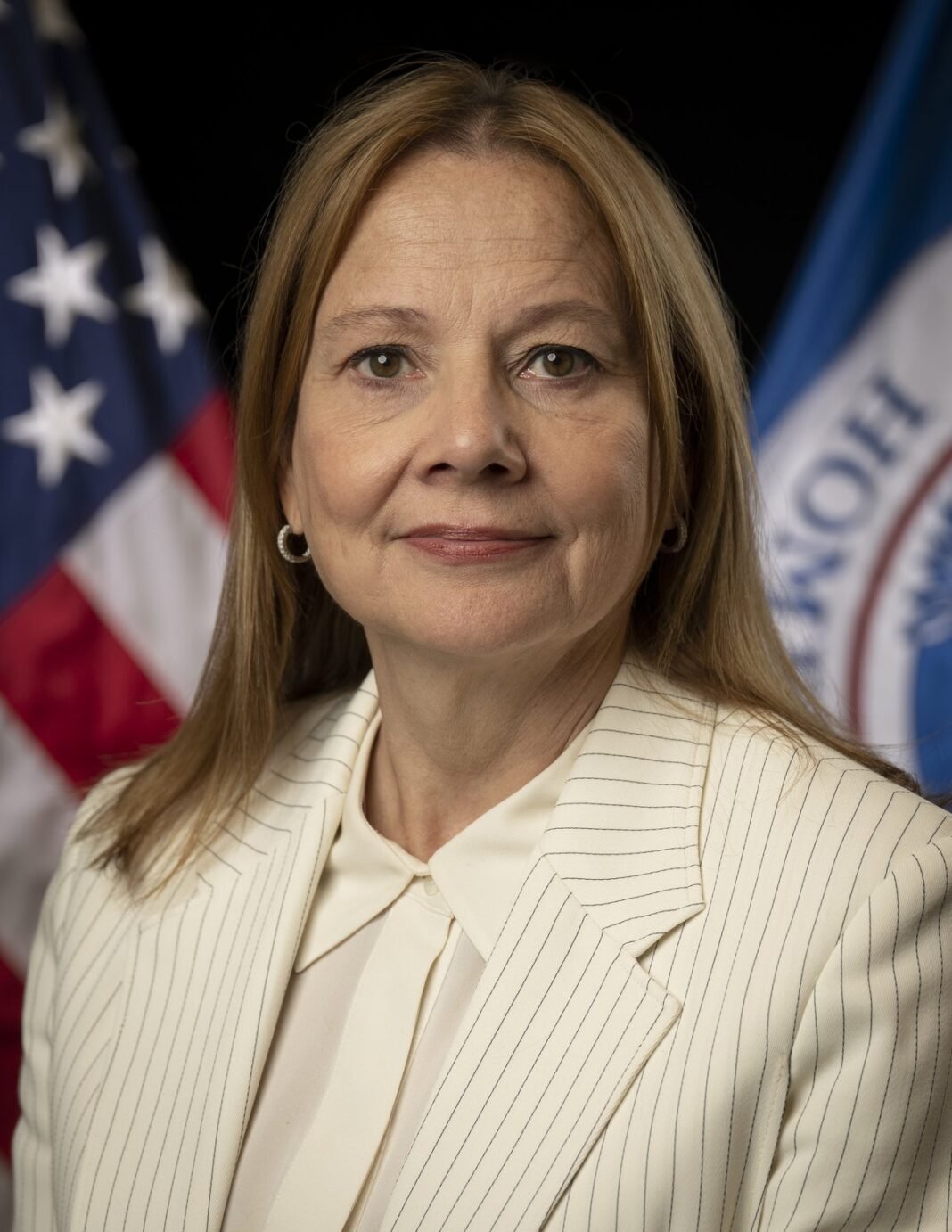
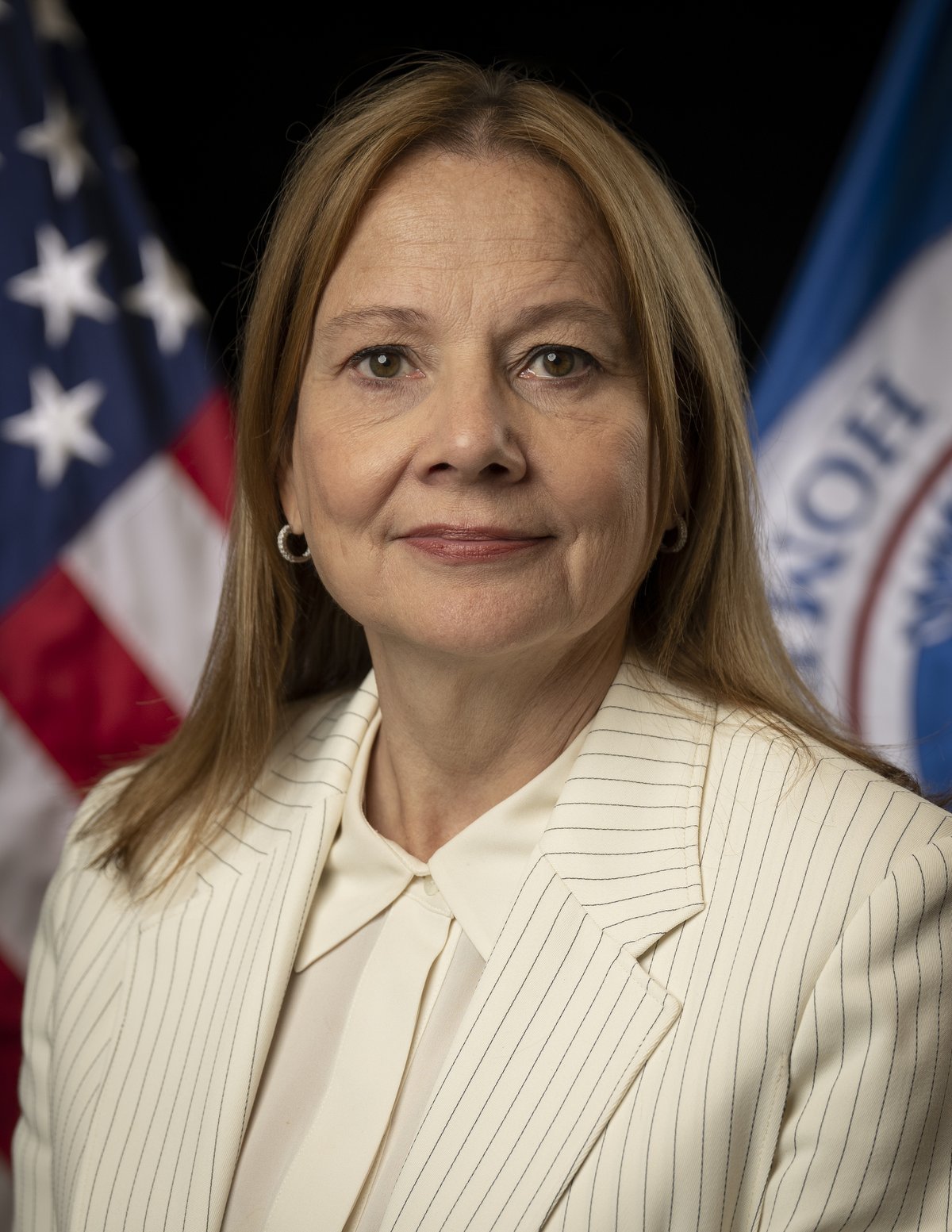
Despite the headwinds, trailblazers keep rising. Mary Barra became the first woman to lead a major global automaker at General Motors, and she remains one of the world’s most prominent women in leadership.
In 2026, Meg O’Neill was set to take over BP, becoming the first woman to lead a Big Oil firm. The Fortune Global 500 count of women CEOs rose from 28 in 2024 to a record 34 in 2026.
These appointments create a multiplier effect. Research finds that companies led by women CEOs have 38.3% women on their boards — well above the 28.9% global average — and 36.8% women among executive officers. When a woman takes the helm, the whole leadership ladder shifts.
What Actually Moves the Needle
Targets and quotas have pushed many European boards toward parity in directorships, though women still rarely hold board chair roles. Transparent promotion criteria, sponsorship programs and flexible work policies help more women survive the final stretch to the top.
Companies with women in key decision-making roles also perform better on leadership diversity and governance outcomes. In other words, breaking the glass ceiling is not charity — it is strategy.
At the current pace, full gender parity remains 120 years away, the WEF warns. Yet the direction of travel is clear: women in leadership are no longer the exception. The task for 2026 is to turn record headlines into routine reality.