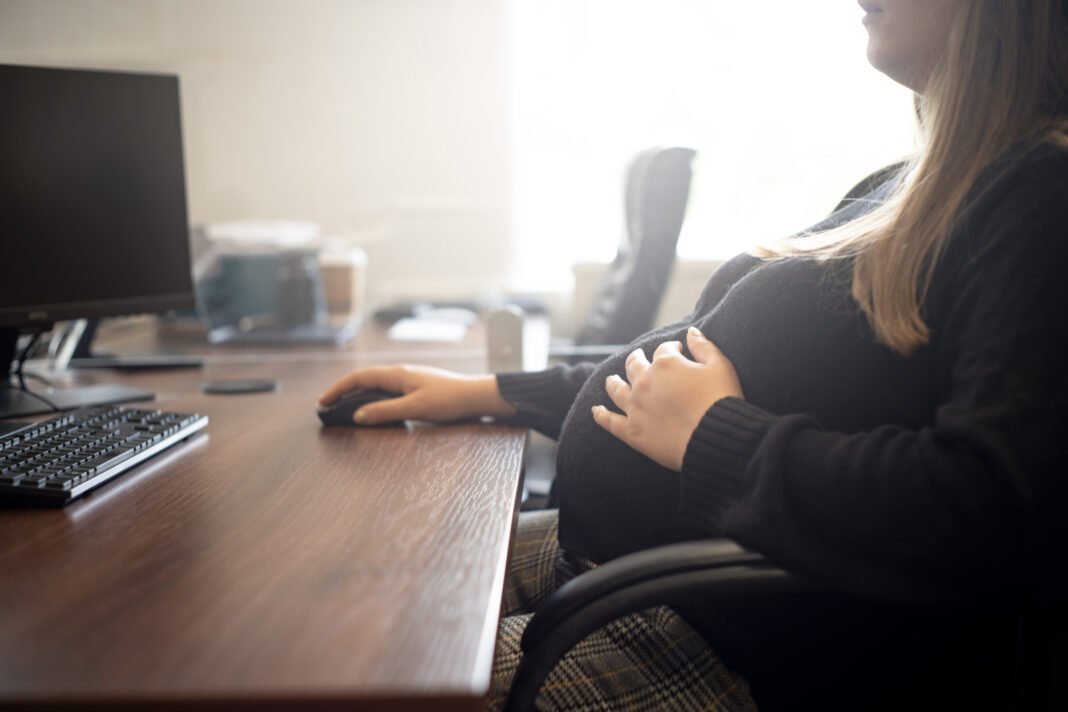
Losing your job is frightening at any time, but being dismissed while expecting a child feels especially cruel. If you were fired while pregnant, take a breath: the law protects your fired while pregnant rights in most major economies. Across the United States, the European Union, and the United Kingdom, employers cannot simply sack you because of a pregnancy — and they face serious consequences when they try.
What “Fired While Pregnant Rights” Really Mean
At their core, your fired while pregnant rights come down to one principle: pregnancy cannot be the reason you lose your job. These protections cover hiring, firing, demotions, pay, promotions, and even redundancy selection.
That said, the law does not make pregnant workers untouchable. An employer can still dismiss you for genuine, unrelated reasons — such as proven misconduct or a legitimate business-wide redundancy — but the burden is squarely on the employer to show that pregnancy played no part in the decision.
United States: Two Federal Laws Shield Pregnant Workers
In the United States, the Pregnancy Discrimination Act of 1978 — an amendment to Title VII of the Civil Rights Act of 1964 — makes it illegal for employers with 15 or more employees to fire, demote, or refuse to hire a woman because of pregnancy, childbirth, or related medical conditions. The law treats pregnancy discrimination as a form of sex discrimination, and the Equal Employment Opportunity Commission (EEOC) enforces it. You can read the full guide to the Pregnancy Discrimination Act to see exactly what the law covers.
The protection grew stronger with the Pregnant Workers Fairness Act, which took effect on June 27, 2023. It requires employers with 15 or more employees to provide reasonable accommodations — such as extra breaks, modified schedules, or light duty — for known limitations related to pregnancy, unless doing so would cause undue hardship. Crucially, an employer cannot force you onto leave if another accommodation would let you keep working.
European Union: Dismissal Banned Until Maternity Leave Ends
Across the EU, the Pregnant Workers Directive (92/85/EEC) goes further still. Its Article 10 requires member states to prohibit dismissing pregnant workers from the start of pregnancy until the end of maternity leave, which must last at least 14 weeks. Member states permit dismissal in that window only in exceptional cases entirely unconnected with the pregnancy — and the employer must provide substantiated grounds in writing.
United Kingdom: Pregnancy Dismissals Are Automatically Unfair
In the UK, Section 18 of the Equality Act 2010 makes it unlawful to treat a woman unfavourably because of pregnancy, pregnancy-related illness, or maternity leave during the protected period — from the start of pregnancy to the end of statutory maternity leave. A dismissal connected with pregnancy is automatically unfair, so you need no minimum length of service to bring a claim. For context on the leave itself, see our guide to maternity leave around the world.
Warning Signs Your Fired While Pregnant Rights Were Violated
Employers often disguise illegal pregnancy dismissals as something else. Watch for these red flags:
- Your employer let you go shortly after you announced your pregnancy.
- Your reviews were positive until your employer learned you were expecting.
- Your employer denied you adjustments that other temporarily restricted workers received.
- Your boss pressured you to resign or take early leave.
Timing matters enormously here. If the decision followed your pregnancy announcement, courts often presume discrimination — and it is the employer who must prove otherwise.
How to Defend Your Fired While Pregnant Rights in 5 Steps
If you believe your fired while pregnant rights were violated, move quickly and methodically:
- Write everything down — dates, conversations, emails, and witnesses — while memories are fresh.
- Ask for the reason for your dismissal in writing. In the EU this is a legal right; elsewhere it builds a paper trail.
- Keep copies of positive performance reviews and any accommodation requests you made.
- Complain to the right authority: the EEOC in the US (generally within 180 days), an employment tribunal in the UK, or your national labour authority in the EU.
- Talk to an employment lawyer. Many offer free first consultations and take discrimination cases on a no-win, no-fee basis.
Losing your job while pregnant hurts, but the law stands firmly behind you. Your fired while pregnant rights exist so that no one must choose between a healthy pregnancy and a livelihood. Act quickly, document everything, and never let shame or fear keep you silent — these protections only work when workers use them.