ISLAMABAD: The viral army officer Rawalpindi match claim is false, the Ministry of Information and Broadcasting’s fact-checking unit said on Monday, rejecting reports that a Pakistan Army officer had died of a heart attack during the Pakistan-Sri Lanka one-day match at Rawalpindi Cricket Stadium.
The ministry said the man at the centre of the rumour was a Pakistan Cricket Board (PCB) employee who died of electrocution at his home, and that he was never at the stadium during the game.
What the viral claim said
The claim was shared by journalist Naveed Satti, who said 50-year-old Muhammad Farooq, son of Muhammad Azam, had fallen unconscious during the match and was taken to Benazir Bhutto Hospital through Rescue 1122, where he did not survive. The post further claimed that Farooq was affiliated with the Pakistan Army and was posted at a security agency in Islamabad.
The post spread quickly during and after the match, drawing alarmed reactions from cricket fans online.
The army officer Rawalpindi match rumour, debunked
According to the fact-checker, the first information report attached to the ministry’s rebuttal tells a different story. Farooq, aged around 60, died after suffering an electric shock while checking an electrical plug at his home. His family contacted Rescue 1122, and he was shifted to a local hospital, the ministry said.
Hospital records identified the cause of death as “electrocution”, and the ministry said further inquiry would proceed in line with the relevant procedure. It added that Farooq was not affiliated with the Pakistan Army but was in fact a PCB employee.
“Linking this medical emergency to the cricket match is misleading,” the ministry said, adding that the individual’s employment with the PCB did not establish any connection between the incident and the ongoing match.
A running fact-check drive
The rebuttal fits a pattern. The information ministry’s fact-checker has been actively countering viral misinformation in recent weeks, including a recent rebuttal of social media claims about unrest in Khyber Pakhtunkhwa which it labelled misleading. Death and emergency claims attached to high-profile public events are a recurring form of viral misinformation, because they borrow the credibility of a real, widely watched occasion.
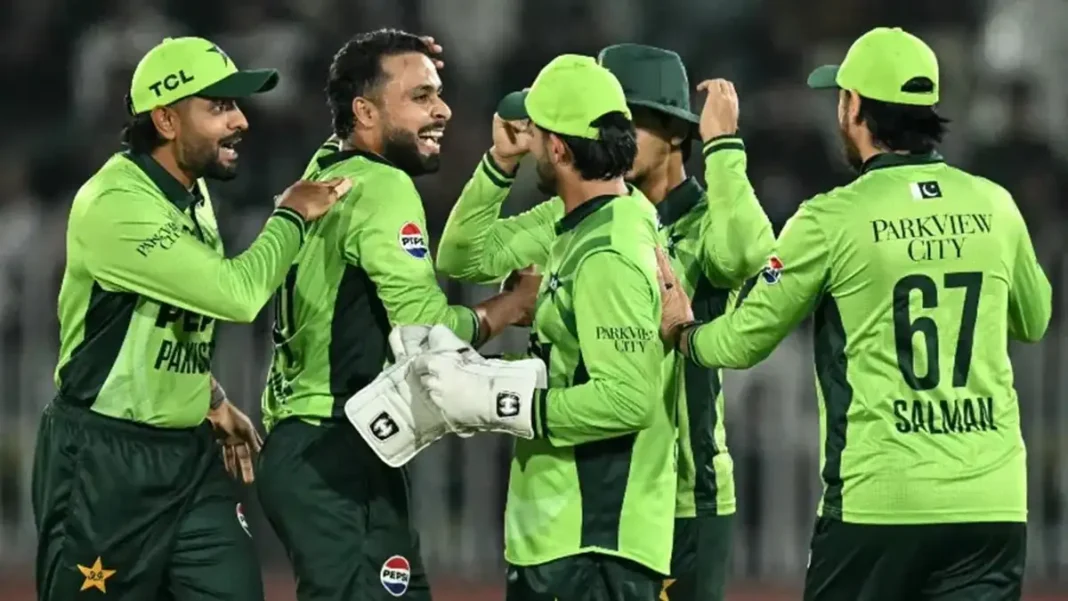
The match in question was the opening fixture of a seven-match ODI tri-series featuring Pakistan, Sri Lanka and England, which began at Rawalpindi Cricket Stadium on October 18, with Sri Lanka winning the toss and electing to bowl first. Pakistan defeated Sri Lanka by 37 runs, with Salman Ali Agha scoring 107 off 90 balls as the hosts posted 305 before bowling out the visitors for 268. The series is being staged in Rawalpindi and Lahore as part of preparations for the 2027 ICC Men’s Cricket World Cup, with England’s arrival completing the three-team lineup. Feature Pakistan’s cricket desk has been tracking the home season, including Imam-ul-Haq’s clearance for the President’s Trophy final round and new PCB central contract terms for overseas leagues.
The ministry urged the public to verify facts before sharing alarming claims online.
Frequently asked questions
What was the viral claim about the army officer Rawalpindi match?
A social media post claimed that a 50-year-old Pakistan Army officer named Muhammad Farooq died of a heart attack during the Pakistan-Sri Lanka match at Rawalpindi Cricket Stadium and was taken to Benazir Bhutto Hospital by Rescue 1122.
What did the information ministry’s fact-check find?
The ministry said the man was around 60, a PCB employee and not an army officer, who died of electrocution at his home while checking an electrical plug. The FIR and hospital records both list electrocution as the cause of death.
Was the man present at the stadium?
No. The ministry stated clearly that the individual was not present at the stadium during the match and had no involvement in the event.
Which match was linked to the false claim?
The opening fixture of the seven-match ODI tri-series between Pakistan, Sri Lanka and England, played at Rawalpindi Cricket Stadium on October 18, which Pakistan won by 37 runs.