SC orders tighter hospital oversight in medical negligence ruling
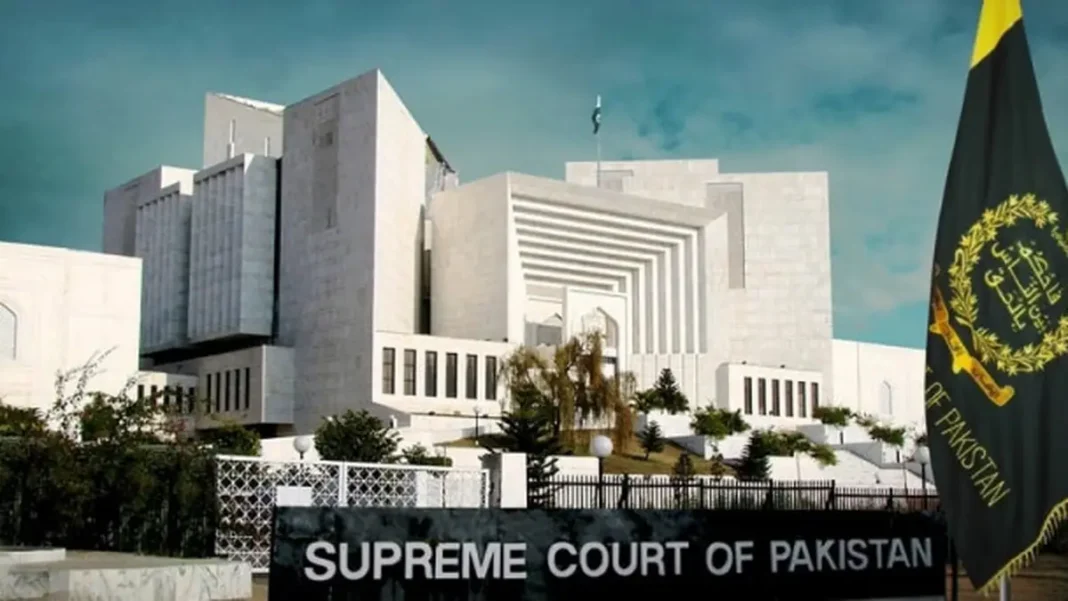
The Supreme Court has issued key directions to improve hospital oversight, ordering better supervision of public hospitals, training for medical staff and timely redressal of patients’ complaints, while setting aside a Balochistan High Court judgment in a medical negligence case.
A three-member bench led by Chief Justice Yahya Afridi decided the case involving Bibi Hanifa’s claim for compensation over alleged medical negligence. The court allowed her 2018 civil petition and the connected civil appeal, also awarding her costs.
The Bibi Hanifa case
According to the 23-page detailed judgment, Bibi Hanifa was admitted to the District Headquarters Hospital in Pishin for the delivery of her eighth child. She underwent a caesarean section on November 20, 2007, but developed abdominal pain and fever afterwards.
As her condition deteriorated, she was shifted to another hospital for examination and treatment. During a subsequent operation, medical sponges were found inside her abdomen. She maintained that they had been left there during the earlier surgery. Her newborn died the day after birth.
Her claim for compensation travelled through the courts for years before reaching the Supreme Court, which has now ruled in her favour and set aside the Balochistan High Court’s earlier judgment.
Sweeping directions for patient safety
To improve patient safety, the Supreme Court directed regular inspections and surprise visits to operating theatres in public and private hospitals, with action against violations.
It ordered the establishment of an accessible and timely mechanism for handling medical negligence complaints, including complaint redressal desks in every hospital.
The court also directed regular training of doctors and nursing staff in patient safety and infection prevention, and required newly qualified doctors to work under the supervision of qualified surgeons.
The relevant authorities were directed to submit a compliance report through the Registrar within 90 days. Copies of the judgment were also ordered to be sent to the health department, the Prime Minister’s Office and the healthcare commission.
Why this ruling matters
Medical negligence cases in Pakistan often take years to resolve, and patients struggle to get complaints heard. By ordering complaint desks in every hospital and regular inspections of operating theatres, the court has tried to build accountability into the system rather than leaving it to individual lawsuits.
The 90-day compliance report requirement gives the directions teeth. Hospital administrations will have to show the court what they have actually done, not just promise reform.
The case also highlights the human cost of surgical lapses. Bibi Hanifa’s ordeal began in 2007; her legal battle lasted nearly two decades. For patients in public hospitals, where resources are stretched thinnest, the ruling could mark a turning point if implemented.
Feature Pakistan has reported on hospital safety concerns before, including alleged negligence at a hospital in Bagh, Azad Kashmir, where surgical bandages were found inside a patient. The Supreme Court’s directions apply to public and private hospitals alike.
What hospitals must do now
Public and private hospitals will need to set up complaint redressal desks, open their operating theatres to regular and surprise inspections, and put training programmes in place for doctors and nurses.
Newly qualified doctors must now work under qualified surgeons’ supervision, a direction aimed at reducing errors by inexperienced staff. Health departments and healthcare commissions have 90 days to report compliance to the court.
Source: The Express Tribune
FAQs
What did the Supreme Court order?
Regular inspections and surprise visits to operating theatres in public and private hospitals, complaint redressal desks in every hospital, staff training in patient safety, and supervised work for newly qualified doctors.
Who is Bibi Hanifa?
A woman from Pishin, Balochistan, who sought compensation after medical sponges were allegedly left inside her abdomen during a caesarean section in 2007. The Supreme Court allowed her 2018 petition and awarded her costs.
What was the Balochistan High Court’s role?
The Supreme Court set aside the Balochistan High Court’s judgment in the case, ruling in favour of the patient’s compensation claim.
When must hospitals comply?
Authorities must submit a compliance report through the Registrar within 90 days. Copies of the judgment go to the health department, the Prime Minister’s Office and the healthcare commission.