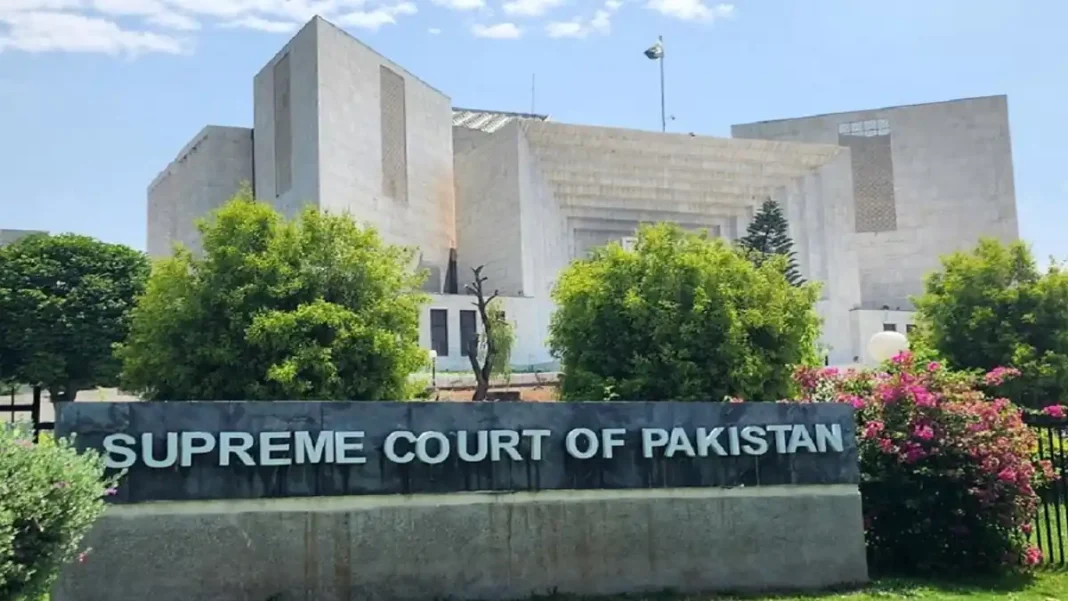



Article 10 of the Constitution of Pakistan is the provision every citizen should know by heart. It sets out the safeguards that apply the moment a person is arrested: the right to be told why, the right to a lawyer of one’s own choice, and the right to be brought before a magistrate within 24 hours. These are constitutional guarantees, not favours granted by the police.
Quick answer: Article 10 guarantees safeguards on arrest: the grounds must be communicated, you have the right to consult a lawyer of your choice, and you must be produced before a magistrate within 24 hours.
In this guide
- The Text of Article 10
- 1. The Right to Know the Grounds of Arrest
- 2. The Right to a Lawyer of Your Choice
- 3. Production Before a Magistrate Within 24 Hours
- What Happens When Article 10 Is Violated?
- Frequently Asked Questions
- What are the three main safeguards in Article 10 of the Constitution of Pakistan?
- Can the police hold someone for more than 24 hours without a magistrate’s order?
- Does Article 10 apply to all arrests in Pakistan?
- What can a family do if an arrested person is not produced within 24 hours?
Like other Fundamental Rights, Article 10 sits in Chapter 1 of Part II of the Constitution of Pakistan 1973. It binds every arresting authority in the country, from local police stations to federal agencies. Here is what it says and how it protects you.
The Text of Article 10
Article 10 is titled “Safeguards as to arrest and detention.” Its operative clauses provide:
No person who is arrested shall be detained in custody without being informed, as soon as may be, of the grounds for such arrest, nor shall he be denied the right to consult and be defended by a legal practitioner of his choice. Every person who is arrested and detained in custody shall be produced before a magistrate within a period of twenty-four hours of such arrest, excluding the time necessary for the journey from the place of arrest to the court of the nearest magistrate.
Three distinct rights flow from this text. Each one is explained below.
1. The Right to Know the Grounds of Arrest
The first safeguard is simple but powerful: anyone arrested must be told, as soon as possible, why they are being arrested. An arrest without communicated grounds is not a lawful arrest — it is just detention, and the Constitution does not permit it.
This requirement serves a practical purpose. A person who knows the charge against them can respond to it: they can contact family, arrange legal help, and prepare a defence. A person kept in the dark can do none of these things. Courts in Pakistan have treated the communication of grounds as a condition of lawful custody, not a formality to be completed at leisure — which is why the Lahore High Court has pressed authorities on detention safeguards in recent proceedings.
2. The Right to a Lawyer of Your Choice
Article 10 guarantees every arrested person the right to consult, and be defended by, a legal practitioner of their own choice. The emphasis on choice matters: the state cannot foist an unfamiliar or unwilling counsel on an accused person and claim the right has been honoured.
This right applies from the earliest stage. It is not something that begins only when the trial starts — it covers the investigation, the remand hearings, and every step in between. Denying an arrested person access to counsel undermines the fairness of everything that follows, which is why the courts treat this guarantee seriously.
- Consultation: the arrested person must be allowed to speak with their lawyer privately.
- Defence: the lawyer of choice must be permitted to represent the accused at remand and trial.
- No denial: authorities cannot refuse or delay access to counsel as a pressure tactic.
3. Production Before a Magistrate Within 24 Hours
The third safeguard is the best-known: anyone arrested and kept in custody must be produced before a magistrate within 24 hours of arrest, not counting the time needed to travel to the nearest magistrate’s court. This is the constitutional backstop against disappearances into police custody.
The magistrate’s role at this stage is a genuine check, not a rubber stamp. The magistrate examines whether the arrest was lawful, whether the grounds were communicated, and whether continued detention is justified. If the answers are unsatisfactory, the magistrate can refuse remand and order release.
What Happens When Article 10 Is Violated?
Because Article 10 is a Fundamental Right, violations can be challenged directly before the High Courts and the Supreme Court. A detention that breaches these safeguards is vulnerable to being declared unlawful, and the detained person can seek release through constitutional petitions. Lawyers routinely invoke Article 10 in bail and habeas corpus proceedings, and judges measure police conduct against it. These arrest safeguards work hand in hand with Article 13’s protections against double punishment and self-incrimination.
Frequently Asked Questions
What are the three main safeguards in Article 10 of the Constitution of Pakistan?
Article 10 guarantees (1) that an arrested person must be informed of the grounds of arrest as soon as possible, (2) the right to consult and be defended by a legal practitioner of their choice, and (3) production before a magistrate within 24 hours of arrest, excluding journey time.
Can the police hold someone for more than 24 hours without a magistrate’s order?
No. Article 10 requires production before a magistrate within 24 hours. Any detention beyond that period without a magistrate’s remand order is unconstitutional.
Does Article 10 apply to all arrests in Pakistan?
Yes. It applies to every arrest and detention in custody across Pakistan, whether made by provincial police, federal agencies or any other authority exercising powers of arrest.
What can a family do if an arrested person is not produced within 24 hours?
The family can engage a lawyer and approach the courts — including through habeas corpus and constitutional petitions — since the failure to produce the person within 24 hours violates a Fundamental Right under Article 10.