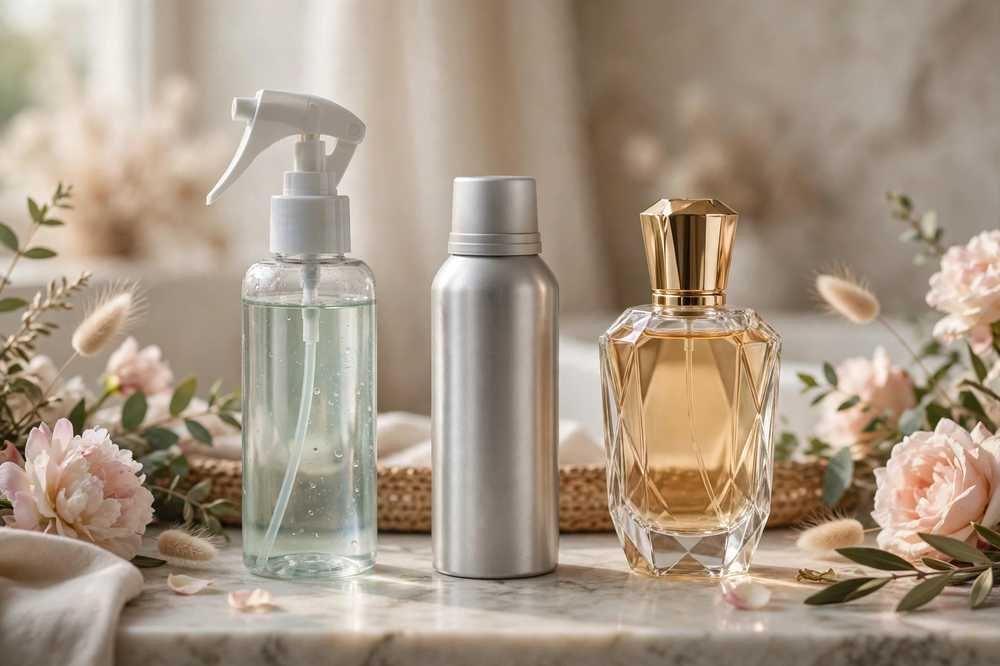
Walk down the fragrance aisle and you will see three types of products sitting side by side: body mists, deodorants and perfumes. They all promise to make you smell good, so it is easy to assume they are interchangeable. They are not. A body mist, a deodorant and a perfume are built for completely different jobs — and using the wrong one at the wrong time is the reason many people feel their fragrance “does not last” or does not work at all.
This guide explains what each product actually is, how they differ in concentration, longevity and purpose, when to use each one, and how to make them work together — especially in Pakistan’s hot climate, where fragrance behaves very differently than it does in cooler countries.
What Is a Body Mist?
A body mist is a light, water-based fragrance spray designed for an all-over, refreshing application. It contains a low concentration of fragrance oils — typically around 1–3% (some sources put the range at 1–5%) — dissolved mostly in water with a little alcohol. That is why body mists feel cool and light on the skin rather than heavy or oily.
Purpose: a quick, casual refresh. Body mists are not designed to announce your presence; they are designed to make you feel fresh and lightly scented for a short while.
Longevity: short — usually 1 to 2 hours. Because the fragrance concentration is so low and the base is mostly water, body mists evaporate quickly. They are meant to be reapplied freely throughout the day.
Best for: after a shower, at the gym, on casual days, in very hot weather when a heavy perfume would feel overwhelming. Body mists are also the most affordable option, so generous reapplication does not hurt the wallet.
What Is a Deodorant?
A deodorant is not primarily a fragrance product at all — it is a hygiene product. Its job is to fight body odour. Deodorants contain antibacterial ingredients (such as triclosan or alcohol-based agents) that reduce the bacteria on your skin, because it is bacteria breaking down sweat — not sweat itself — that causes the smell.
Deodorants also contain fragrance to mask any remaining odour, and they come in sprays, roll-ons and sticks. Here is an important distinction many people miss:
- Deodorant: targets odour. It does not stop you from sweating.
- Antiperspirant: contains aluminium-based compounds that temporarily block sweat glands and reduce sweating. Many products are sold as deodorant-antiperspirant combos.
Purpose: odour control, applied to the underarms (and sometimes feet). A deodorant keeps you smelling neutral even when you sweat.
Longevity: odour protection typically lasts several hours to a full day, though the fragrance note itself fades much sooner. The antibacterial action is what keeps working.
Best for: daily underarm hygiene, especially in summer, after workouts, and on long days when sweating is unavoidable.
What Is a Perfume?
Perfume is the “real” fragrance product of the three — an alcohol-based solution carrying a much higher concentration of fragrance oils. This concentration is what determines a perfume’s strength, how far it projects (its “sillage,” the scent trail you leave behind), and how long it lasts. Perfumes are sold in several concentration levels:
- Eau de Cologne (EDC): ~2–5% fragrance oils; lasts 1–3 hours. Very light and citrusy.
- Eau de Toilette (EDT): ~5–15% fragrance oils; lasts 3–5 hours. Light, fresh, everyday wear.
- Eau de Parfum (EDP): ~15–20% fragrance oils; lasts 4–8 hours. The most popular concentration — balanced strength and longevity.
- Parfum / Extrait de Parfum: ~20–30% (sometimes higher) fragrance oils; lasts 8–12+ hours. The richest, most concentrated, and most expensive form.
Purpose: to make you smell beautiful, memorable and distinctive. Perfume is about scent as self-expression — the notes unfold over hours from bright top notes to a warm base.
Longevity: from a few hours (EDC) to all day (parfum), depending on the concentration and the notes. Note that longevity is not only about percentage: a 15% citrus EDT can fade faster than a 10% woody EDP, because citrus notes are naturally volatile.
Best for: office, evenings, events, weddings — any time you want a lasting, noticeable fragrance.
Body Mist vs Deodorant vs Perfume: Full Comparison
Main purpose: Body mist = light, casual refresh. Deodorant = control body odour. Perfume = lasting, expressive fragrance.
Fragrance concentration: Body mist ~1–5%. Deodorant varies (fragrance is secondary). Perfume ~2–30% (EDC to parfum).
Base: Body mist is mostly water. Deodorant is alcohol/aerosol with antibacterial agents. Perfume is alcohol-based.
Typical longevity: Body mist 1–2 hours. Deodorant hours to a day (odour protection). Perfume 3–12+ hours (by concentration).
Where applied: Body mist all over the body. Deodorant underarms (and feet). Perfume on pulse points: wrists, neck, behind ears.
Price: Body mist lowest. Deodorant low to moderate. Perfume moderate to high.
When to Use Each One
Body mist: casual, hot and active days
Reach for a body mist on relaxed days — after a morning shower, before heading to the market, at home, or right after the gym. In peak summer, when temperatures cross 40°C, a heavy perfume can feel suffocating (to you and everyone around you). A body mist gives you freshness without the weight. Keep one in your bag and reapply every couple of hours.
Deodorant: every single day
Deodorant is not optional in a hot climate — it is basic hygiene. Apply it every morning to clean, dry underarms, whether or not you plan to wear perfume. On long, sweaty days, it is the product doing the real work of keeping odour away. If you sweat heavily, choose a deodorant-antiperspirant combination for odour plus sweat control.
Perfume: office, evenings and occasions
Perfume is for when you want to be remembered. For the office, a light EDT or EDP works best — noticeable but not overpowering in close quarters. For evenings, dinners and weddings, an EDP or parfum gives you the depth and longevity the occasion deserves. In winter, richer concentrations shine; in summer, lighter ones are kinder to everyone.
Can You Use Them Together? Layering Tips
Yes — and the best-smelling people usually do. The three products are not rivals; they are a team, each covering what the others cannot. Here is the correct order:
- Deodorant first: apply to clean, dry underarms right after your shower. It needs direct skin contact to work, and it must go on before anything else.
- Perfume second: spray on pulse points (wrists, sides of the neck, behind the ears) while your skin is still slightly warm from the shower — warmth helps the fragrance develop. Let it settle for a minute.
- Body mist last (optional): a light all-over spritz on top for extra freshness, or use it later in the day to refresh the perfume as it fades.
Layering tips that actually work: use an unscented or lightly scented deodorant if your perfume is strong; match scent families when layering (citrus mist over citrus perfume); moisturised skin holds fragrance longer — apply unscented lotion first; spray perfume on clothes as well as skin for extra longevity, testing light fabrics first.
Mistakes to Avoid
- Spraying perfume on sweaty skin: perfume mixed with sweat and bacteria creates an unpleasant combination. Shower first, deodorant first — then perfume.
- Using deodorant as a perfume substitute: a deodorant sprayed on your neck will not give lasting fragrance; its scent is designed to fade while antibacterial action continues.
- Over-spraying deodorant on clothes: heavy sprays leave white marks on dark clothes. Apply to skin, let it dry, then dress.
- Rubbing your wrists together after spraying perfume: this crushes the top notes and makes fragrance fade faster. Spray and let it dry naturally.
- Expecting a body mist to last all day: it will not — carry it and reapply instead.
- Wearing heavy parfum in extreme heat: heat amplifies fragrance. Switch to lighter concentrations in summer.
How Pakistan’s Hot Climate Affects Your Choice
- Everything evaporates faster. Heat speeds up evaporation — choose one concentration level higher than you think you need, or plan one reapplication.
- Sweat is the real enemy. No perfume survives heavy sweating gracefully. Deodorant (or antiperspirant) is non-negotiable.
- Lighter is better for daytime. Citrus, aquatic and green notes perform well in heat; heavy oud and amber can become cloying. Save rich ones for winter evenings.
- Store fragrances properly. Heat and sunlight break down perfume oils. Keep bottles in a cool, dark cupboard — never on a sunny windowsill or in a hot car.
- Body mists earn their place. In May–August, a body mist in your bag is more useful than a second perfume.
How to Make Fragrance Last Longer in Summer
- Apply perfume right after a shower, when pores are open and skin is warm.
- Moisturise first with an unscented lotion; fragrance lasts longer on hydrated skin.
- Target pulse points plus the back of the neck and behind the knees.
- Spray a light mist on hair or dupatta/scarf — fabric and hair hold fragrance far longer than skin in heat.
- Carry a travel-size body mist or small EDT for a midday refresh.
Frequently Asked Questions
Is body mist the same as perfume?
No. A body mist is much lighter (~1–5% fragrance oils in a water base) meant for short, casual freshness, while perfume carries 2–30% fragrance oils in alcohol and is designed to last for hours with real projection.
Can deodorant replace perfume?
No. Deodorant controls underarm odour through antibacterial action; its fragrance is secondary and fades quickly. Use deodorant for hygiene and perfume for fragrance.
What is the difference between deodorant and antiperspirant?
Deodorant fights odour but does not stop sweating. Antiperspirant uses aluminium-based compounds to temporarily reduce sweating. Many products combine both — check the label.
Which lasts longest: body mist, deodorant or perfume?
Perfume lasts longest — from a few hours (EDC) to 12+ hours (parfum). Deodorant’s odour protection lasts hours to a day, though its scent fades sooner. Body mist is shortest at 1–2 hours.
Should I apply deodorant or perfume first?
Deodorant first, on clean dry underarms. Then perfume on pulse points. Body mist last as a finishing refresh.
What is the best fragrance choice for summer in Pakistan?
For daily wear: a good deodorant or antiperspirant plus a light EDT or body mist. Save EDPs and parfums for evenings, air-conditioned offices and winter.
The Bottom Line
Body mist, deodorant and perfume are three different tools: the mist refreshes, the deodorant protects against odour, and the perfume expresses. Use deodorant daily as your hygiene foundation, choose your perfume by occasion and season, and keep a body mist handy for Pakistan’s long hot days. Layered in the right order — deodorant, then perfume, then mist — they cover every situation from a sweaty commute to a winter wedding.