Contemporary Issues of Pakistan: The New Challenges
Some issues are new — or newly urgent. Climate shocks, choking smog, the digital divide, unplanned megacities, and the AI wave: the contemporary issues that didn’t exist (or didn’t matter) a generation ago.
Quick answer: Pakistan’s key contemporary issues: climate vulnerability (floods, heat, glacial melt), winter smog in Punjab, rapid unplanned urbanisation, a digital divide excluding millions, and adapting education and jobs to AI and automation.
In this guide
Climate: the defining contemporary issue
Pakistan contributes under 1% of global emissions yet ranks among the most climate-vulnerable countries. The 2022 floods ($30bn+ damage, 1,700+ dead, 33 million affected) were the warning; every year since has added heat records, glacial lake outburst floods in the north, and crop stress. Adaptation — early warning, resilient infrastructure, climate-smart farming — is chronically underfunded relative to the risk.
Smog: the seasonal emergency
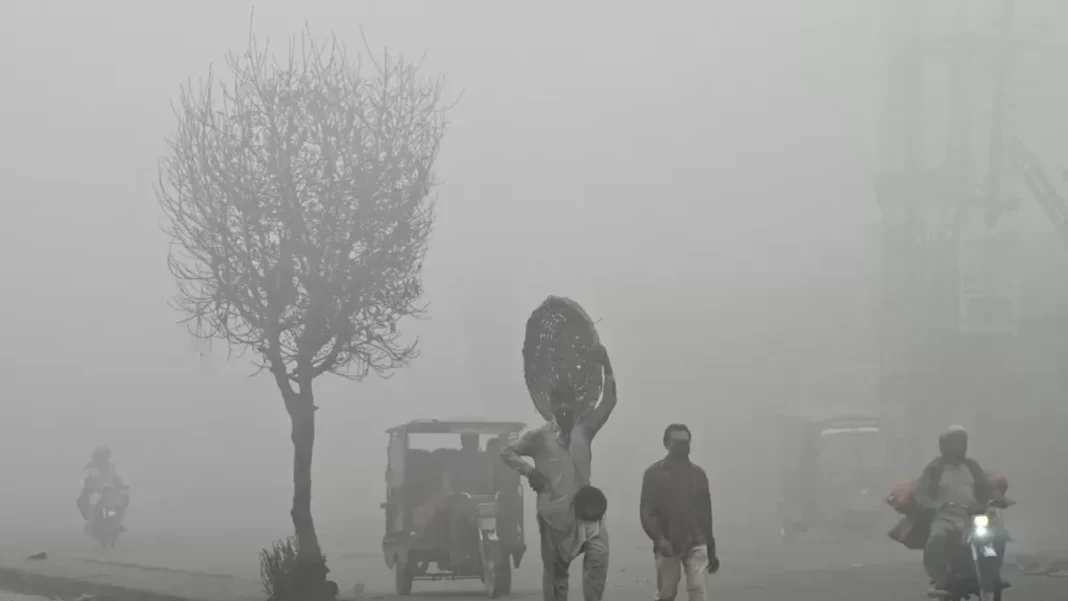
Each winter, Lahore and Multan top global pollution charts as crop burning, brick kilns, vehicle emissions and winter inversion combine. Schools close, flights cancel, and hospitals fill. Responses — kiln conversions, vehicle checks, smog holidays — treat symptoms; the cure is year-round emissions control and regional cooperation (the haze crosses borders).
The digital divide and the AI wave
Pakistan’s IT exports are a rare bright spot (billions and growing), and freelancers rank among the world’s top earners on platforms. But the divide is stark: millions lack reliable internet, digital literacy, or even electricity — and AI is about to reshape the very outsourcing jobs Pakistan relies on. The contemporary challenge: connect everyone, skill them for what’s next, and keep the internet on (shutdowns are the self-inflicted wound).
AI and the jobs Pakistan counts on
Pakistan’s celebrated IT exports and freelance economy — billions of dollars, among the world’s top freelancer ranks — face an awkward question: what happens when AI does the routine coding, design and writing that freelancers sell?
The honest answer is bifurcation: commodity digital work shrinks; AI-augmented expertise grows. The freelancers who learn to direct AI tools will earn more; those who compete with them on price will earn less. Pakistan’s education system — still optimised for rote — is preparing students for the half of the market that’s disappearing. The contemporary fix: teach judgment, not just tools.
Frequently asked questions
What are the contemporary issues of Pakistan?
Climate vulnerability, winter smog, unplanned urbanisation, the digital divide, and adapting to AI — the challenges that have emerged or intensified recently.
Why does Lahore have smog every winter?
Crop-residue burning, brick kilns, vehicle/industrial emissions plus winter temperature inversion trap pollutants; cross-border haze adds to it.
Will AI take Pakistani freelancers’ jobs?
It will take the routine half — basic coding, templated design, generic writing. Freelancers who master AI tools as leverage, not competition, stand to earn more, not less.
What is Pakistan’s newest social issue?
The AI transition — threatening the routine digital work Pakistan’s freelancers sell, while rewarding those who master AI tools. It’s the first economic disruption arriving faster than the education system can adapt.
Is smog getting worse in Pakistan?
The trend is worsening: each winter, Lahore and Multan rank among the world’s most polluted cities, driven by crop burning, kilns, vehicles and winter inversion — with cross-border haze adding to it.