Political Issues in Pakistan: The Structural Problems
Beyond personalities and party flags, Pakistan’s political issues are structural — the same whoever governs. Corruption, accountability theatre, missing local governments, disputed elections, and the civil-military equation: the five structural issues, explained neutrally.
Quick answer: Pakistan’s structural political issues: endemic corruption with selective accountability, absent empowered local governments, recurring electoral disputes, judicial politicisation, and an unsettled civil-military balance — problems that persist across governments.
In this guide
The five structural issues
- Corruption with selective accountability. Everyone agrees corruption is rampant; the fight against it is seen as weaponised — each government’s NAB pursues the last government’s people. Result: cynicism, not deterrence.
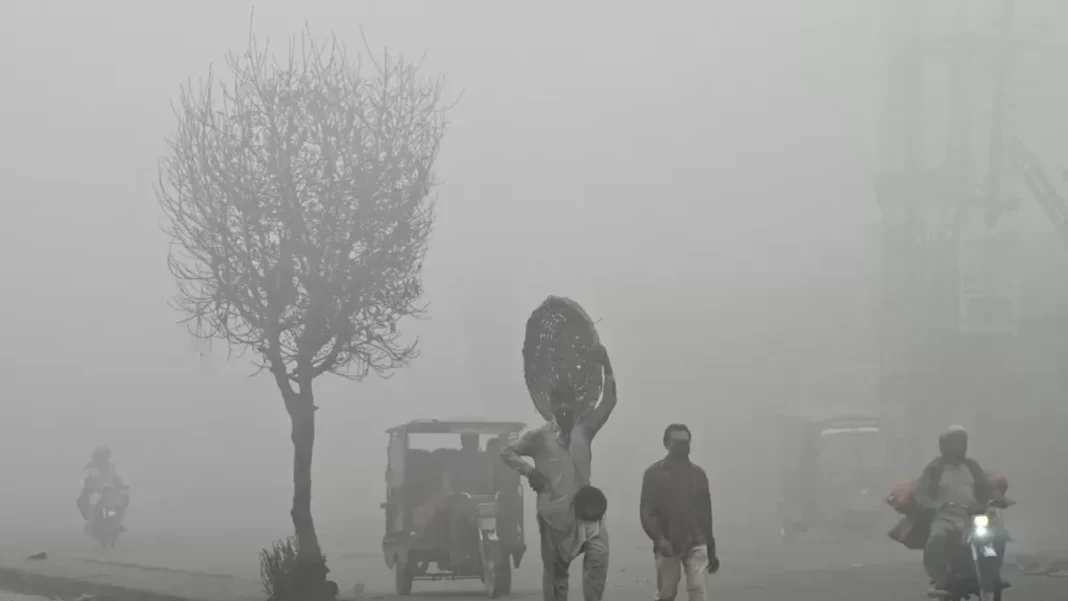
- The missing third tier. The Constitution promises local government; provinces starve it of power and funds. Karachi’s garbage and Lahore’s smog are local-government failures.
- Disputed elections. 2013, 2018, 2024 — every recent election’s legitimacy is contested by the loser. Electoral reform (technology, transparency) is permanently “next time”.
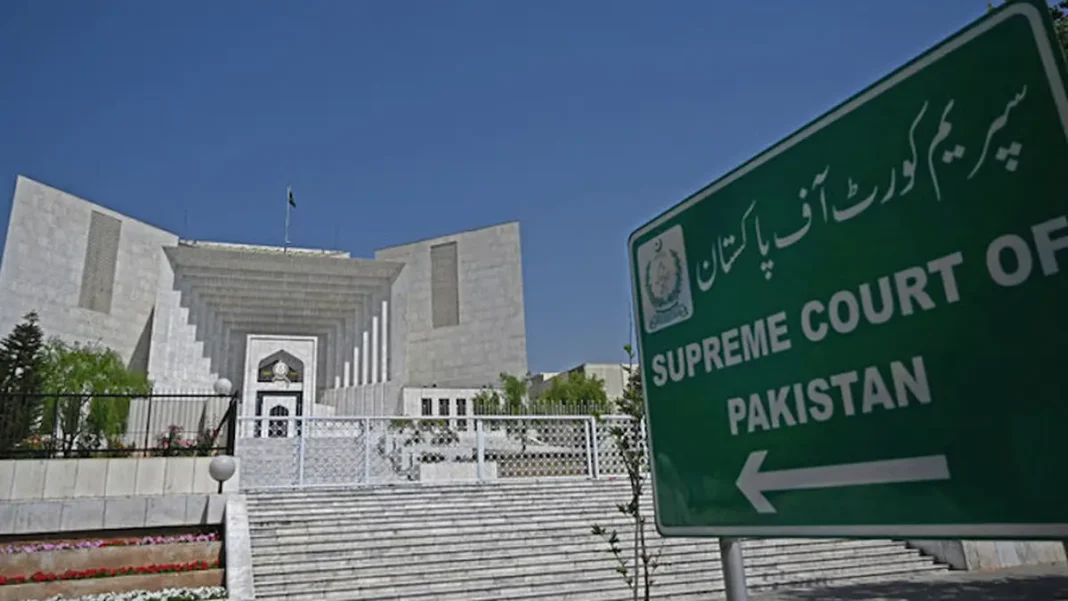
- Judicial politicisation. Courts decide political cases constantly — suo motus, disqualifications, election disputes — which politicises the bench whatever it decides.
- Civil-military imbalance. The military’s political weight is Pakistan’s oldest unresolved issue; every civilian government navigates it, none settles it.
What would actually fix them
The reform list is well-known: empowered, funded local governments (the single highest-leverage change); transparent campaign finance; an accountability process both sides trust; judicial appointments by genuine consensus; and parliamentary oversight of security policy. None is technically hard. All are politically hard — which is the meta-issue.
Electoral reform: the permanently pending fix
Every election’s losers cry rigging; every winner promises reform; nothing changes. The reform menu is well-thumbed:
- Technology: electronic voting machines and biometric verification — piloted, debated, shelved.
- Result transparency: polling-station-level results (Form-45) published promptly and digitally.
- ECP independence: a genuinely empowered Election Commission with its own enforcement teeth.
- Campaign finance: disclosed, capped, audited — the reform that would change who can run.
The cynic’s summary: the system suits whoever just won it. The optimist’s: each disputed election raises the cost of the next one.
The accountability debate
Pakistan’s accountability story has two narrators. One says: every government’s anti-corruption drive targets the previous government — NAB is a political weapon, and genuine reform needs neutral institutions. The other says: without aggressive prosecution, the corrupt walk free — accountability that spares the powerful isn’t accountability.
Both have evidence. The way out — proposed by reformers across the spectrum — is process both sides trust: transparent investigations, time-bound trials, and an accountability chief appointed by genuine consensus rather than the government of the day.
Frequently asked questions
What are the main political issues in Pakistan?
Selective accountability, absent local governments, disputed elections, judicial politicisation, and the civil-military balance — structural issues persisting across governments.
Why is there no strong local government in Pakistan?
Provinces resist devolving power and funds to mayors and councils; local elections are delayed for years, and elected local bodies are dissolved or starved when they exist.
Has Pakistan ever had a fair election?
Every recent election (2013, 2018, 2024) has been disputed by the losers to varying degrees — which is itself the problem electoral reform is meant to solve.
Why does accountability fail in Pakistan?
Because the process isn’t trusted: each government’s anti-corruption drive targets its predecessors, so convictions read as revenge rather than justice — and the cycle repeats.