


Current Political Situation in Pakistan: A Factual Overview (2026)
Pakistan’s politics are noisy; the facts underneath are straightforward. This is a neutral, factual overview of who governs, who opposes, what’s disputed, and what comes next — updated for late 2026.
Quick answer: Pakistan is governed by a PML-N-led coalition under PM Shehbaz Sharif (post-February 2024 elections), with President Asif Ali Zardari as head of state. The PTI opposition disputes the 2024 results; judicial reforms under the 26th Amendment remain contested; politics are polarised but institutions function.
In this guide
Who governs
| Office | Holder | Since | |
|---|---|---|---|
| Prime Minister | Shehbaz Sharif (PML-N) | March 2024 | |
| President | Asif Ali Zardari (PPP) | March 2024 | |
| Ruling arrangement | PML-N-led coalition with PPP support | 2024 | |
| Main opposition | PTI / SIC bloc | 2024 |
What’s disputed
- The 2024 elections: the PTI alleges systematic rigging; the government and ECP reject the charge. Form-45 disputes continue in tribunals.
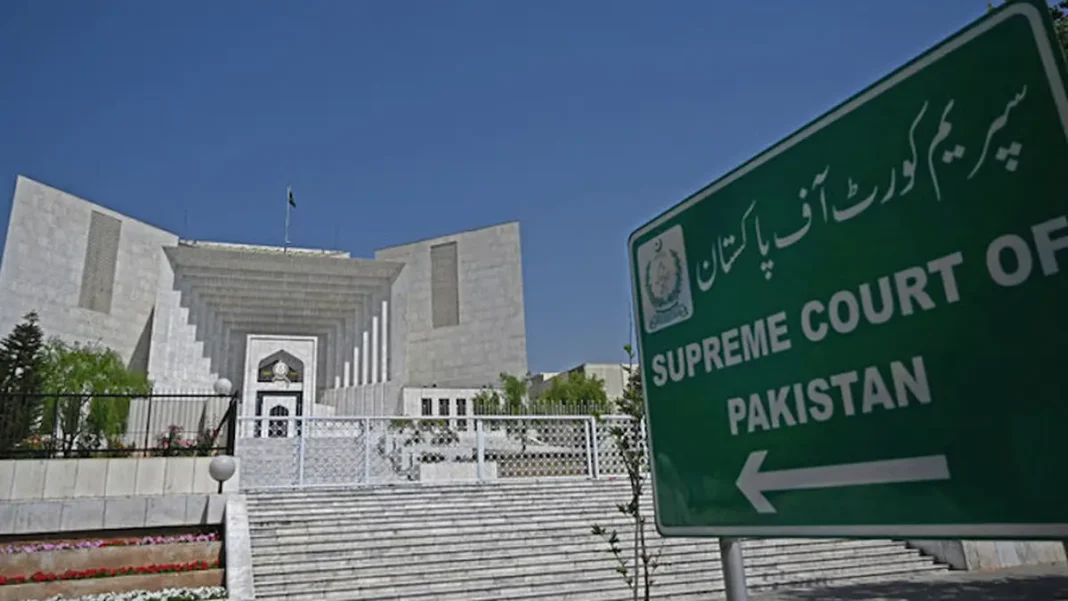
- The 26th Amendment: created the Federal Constitutional Court and changed judicial appointments — hailed as reform by supporters, decried as court-packing by critics.
- PTI’s founder: imprisoned on multiple convictions; his cases move through appeals.
- Civil-military balance: the perennial Pakistani question — debated endlessly, resolved never.
What comes next
The political calendar’s next milestones: local government elections (devolution’s long-delayed promise), Senate cycles, and the ongoing court battles over the 26th Amendment’s shape. The deeper question is whether Pakistan’s politics can produce policy continuity — the thing economists say matters more than who wins. For the issues beneath the politics, see political issues in Pakistan.
The federation: four provinces, one capital
Pakistan’s politics play out across a federation the 18th Amendment (2010) significantly devolved: Punjab, Sindh, Khyber Pakhtunkhwa and Balochistan run education, health and much else, while Islamabad keeps defence, foreign affairs, currency and — contentiously — the purse strings.
The current friction points: resource distribution (the NFC award’s formula), provincial autonomy vs federal control, and Balochistan’s long-standing grievances about representation and resources — the structural backdrop to every political dispute.
How Pakistan’s parliament works
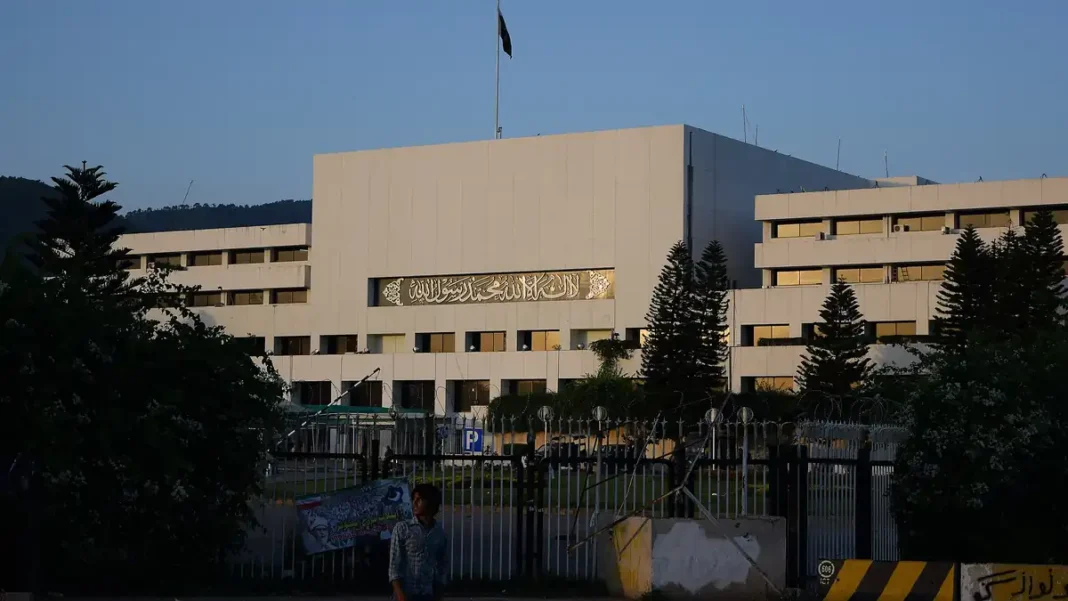
The Majlis-e-Shoora (Parliament) is bicameral: the National Assembly (336 seats — 266 general, 60 women’s reserved, 10 minorities) elected directly, and the Senate (96 seats) elected by provincial assemblies.
The Prime Minister — leader of the National Assembly’s majority — heads the government; the President is the constitutional head of state. Money bills originate in the National Assembly; constitutional amendments need two-thirds majorities — the threshold the 26th Amendment’s passage made famous.
The Senate factor
The Senate’s 96 seats — elected by provincial assemblies, with staggered terms — give smaller provinces outsized voice: Balochistan’s 14 million people hold the same Senate weight as Punjab’s 120 million. That design (deliberate, to protect federalism) means no government commands parliament without managing the upper house — where opposition strength often differs from the National Assembly’s arithmetic.
Frequently asked questions
Who is the Prime Minister of Pakistan in 2026?
Shehbaz Sharif (PML-N), leading a coalition government formed after the February 2024 general elections.
What is the 26th Amendment controversy?
The 2024 amendment created a Federal Constitutional Court and changed how judges are appointed. Supporters call it judicial reform; critics call it executive capture of the judiciary.
What is the 18th Amendment?
The 2010 constitutional amendment that devolved major powers — education, health, and more — from Islamabad to the provinces. It’s considered the landmark democratic reform of the modern era.
: government, opposition, judiciary and key disputes — a factual, neutral overview.)