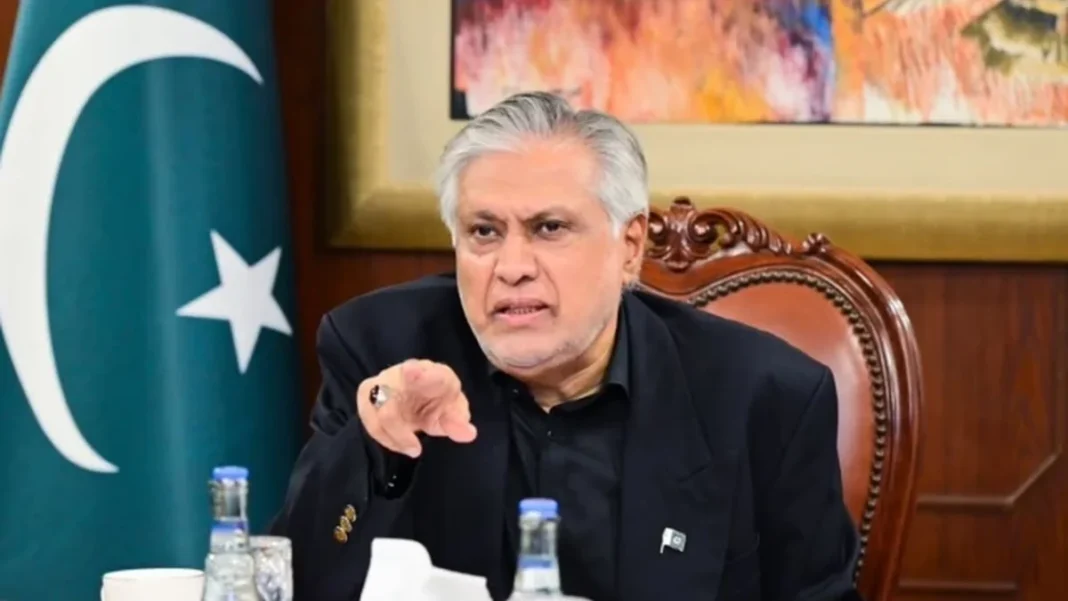
Deputy Prime Minister and Foreign Minister Ishaq Dar has warned the Afghan Taliban regime over terrorism in one of Pakistan’s bluntest public messages, saying its failure to act against terrorist groups operating from its soil could ultimately have consequences for Afghanistan itself.
Speaking on Monday at an international conference on Pakistan’s evolving counterterrorism landscape, Dar said Islamabad had exhausted sustained diplomatic efforts to persuade the Taliban authorities to address Pakistan’s security concerns, but its central demand remained unmet.
“What does Pakistan ask? Only one. Please do not allow your soil to be used against any country, particularly Pakistan, for terrorism,” Dar said.
Diplomacy exhausted
Dar recalled that he travelled to Kabul in April 2025 after what he described as a four-year stalemate in high-level engagement, holding detailed discussions with acting Afghan PM Mullah Mohammad Hassan Akhund, Deputy PM Abdul Ghani Baradar and Foreign Minister Amir Khan Muttaqi.
Pakistan, he said, followed through on commitments made during those discussions. Further engagement included a visit involving the Uzbek foreign minister and the Pakistan-China-Afghanistan trilateral dialogue in Kabul in August 2025. Islamabad also upgraded its diplomatic representation and backed regional connectivity plans, including a proposed railway linking Pakistan and Uzbekistan through Afghanistan.
“These were the sincere efforts on behalf of Pakistan,” Dar said. “But the one ask, we are not seeing a result, unfortunately, so far.”
The frustration has been building in multilateral settings too. As Feature Pakistan reported, the Moscow Format meeting on Afghanistan earlier this month ended without even a joint statement after Pakistan-Afghanistan differences surfaced.
Dar warns Afghan Taliban on terrorism sanctuaries
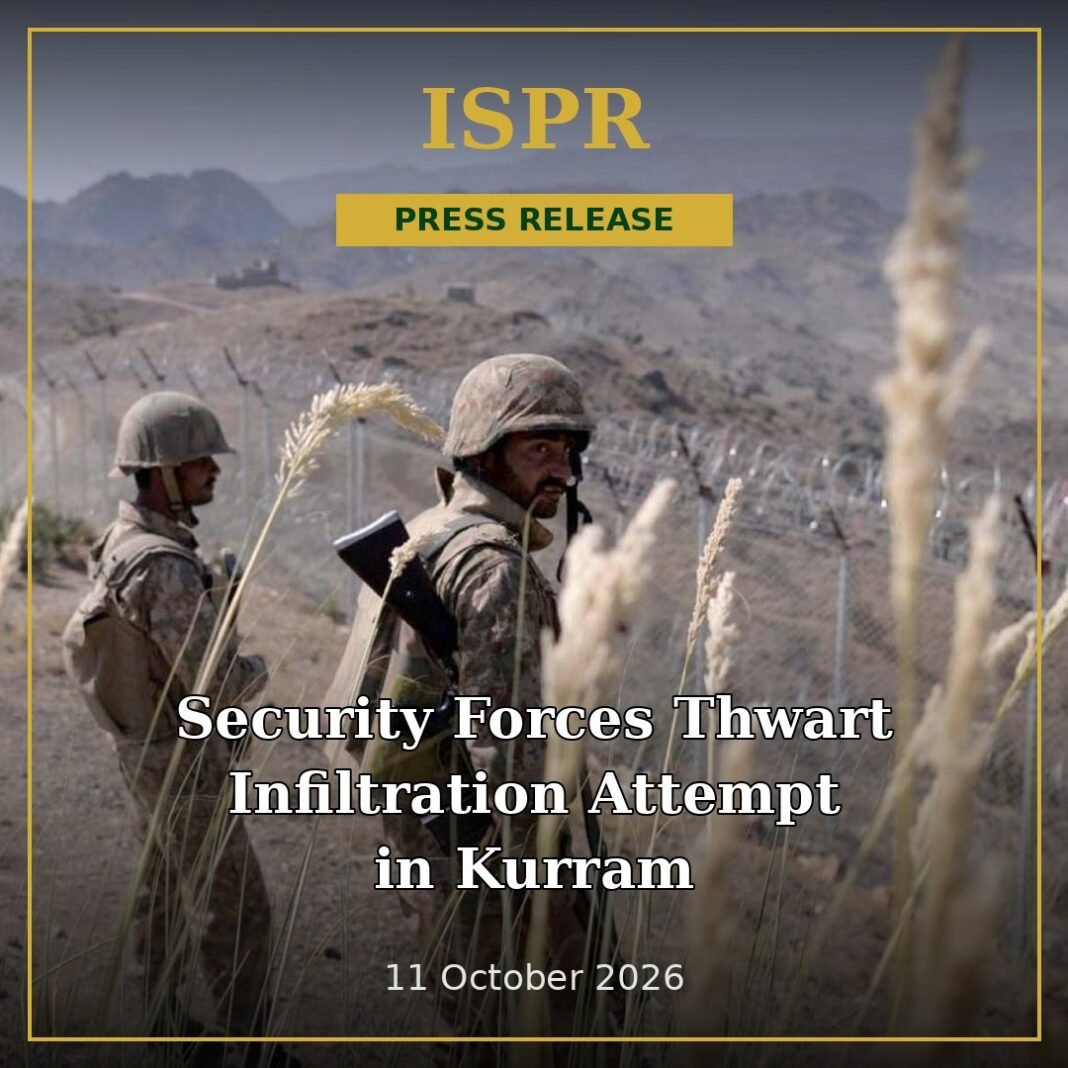
Despite the outreach, Dar said, attacks inside Pakistan continued to be planned, directed and launched from across the border. He said terrorists infiltrated through difficult mountainous terrain, attacked Pakistani soldiers and civilians, and then returned to sanctuaries across the border.
“No fence can substitute for real action against these terrorist sanctuaries,” he said, referring to Pakistan’s investment in fencing and managing its border with Afghanistan — a border that runs some 2,670 kilometres.
Dar cited UN monitoring reports on the presence of the banned Tehreek-i-Taliban Pakistan (TTP) in Afghanistan and its links with Al-Qaeda, warning the problem was not confined to Pakistan.
“A group that finds safe haven today to attack Pakistan can use the same safe haven tomorrow to threaten others,” he said.
What Pakistan wants
The government, Dar stressed, wants the Afghan Taliban authorities to take “concrete, verifiable and irreversible” action against the TTP and other terrorist groups, and to ensure Afghan territory is not used against Pakistan or any other country.
He described the TTP as one of the gravest threats to Pakistan’s security, responsible for attacks on schools, mosques, markets and security installations. Pakistani forces have been killing TTP-linked fighters in regular operations — nine were killed in North Waziristan in one recent intelligence-based operation, part of a broader campaign that eliminated 18 terrorists in KP and Balochistan in a single day last week.
Dar also accused India of sponsoring terrorist groups targeting Pakistan, including groups operating from Afghan territory, saying Pakistan had shared dossiers with the United Nations and international partners documenting what Islamabad described as Indian patronage.
The cost so far
The deputy prime minister said more than 90,000 Pakistanis had lost their lives to terrorism while the country had suffered economic losses exceeding $150 billion.
He said Pakistan’s sacrifices needed international recognition, but recognition alone was insufficient, calling for greater international cooperation against terrorist networks.
Dar said Pakistan remained committed to fighting terrorism through the National Action Plan, Azm-i-Istehkam, stronger intelligence coordination and cooperation between the federation and provinces. “Pakistan’s sacrifices deserve recognition, but recognition alone is not enough,” he said.
FAQs
What did Ishaq Dar warn the Afghan Taliban about?
That failure to act against terrorist sanctuaries on Afghan soil could ultimately have consequences for Afghanistan itself.
Where did he say this?
At an Institute of Strategic Studies Islamabad (ISSI) international conference on Pakistan’s counterterrorism landscape on Monday.
What is Pakistan’s central demand?
“Concrete, verifiable and irreversible” action against the TTP and other groups, ensuring Afghan territory is not used for terrorism against any country.
What diplomatic efforts did Dar cite?
His April 2025 Kabul visit after a four-year stalemate, the August 2025 trilateral dialogue with China and Afghanistan, upgraded diplomatic representation, and connectivity proposals including a Pakistan-Uzbekistan railway via Afghanistan.
What figures did he give on terrorism’s cost?
More than 90,000 Pakistani lives lost and economic losses exceeding $150 billion.