Islamabad Hosts 30th ECO Ministerial Meeting
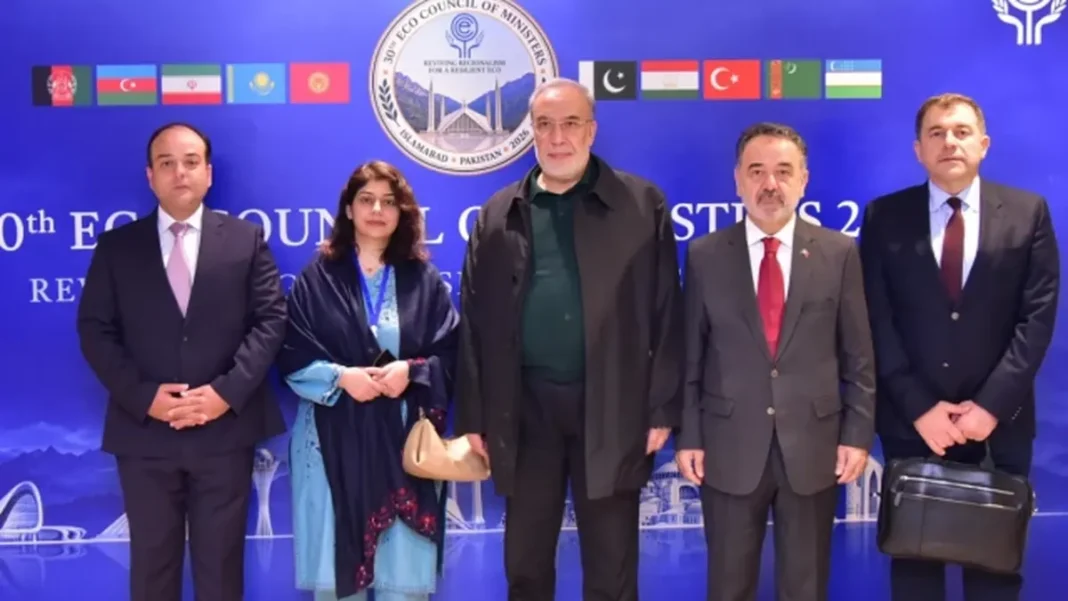
Foreign ministers and senior officials from across the region have arrived in Islamabad for the 30th meeting of the Economic Cooperation Organisation (ECO) Council of Ministers. The two-day ECO ministerial meeting runs on November 15 and 16, chaired by Deputy Prime Minister and Foreign Minister Ishaq Dar.
The Foreign Office said dignitaries continued to arrive in the capital on Sunday as Islamabad prepared to host the meeting. The gathering brings together foreign ministers and heads of delegations from ECO member states, along with representatives of the organisation’s secretariat and subsidiary bodies.
Who has arrived for the ECO ministerial meeting
Turkish Deputy Foreign Minister Musa Kulaklikaya arrived in Islamabad to attend the meeting, leading his country’s delegation. He was received by Foreign Office officials at Islamabad International Airport.
Azerbaijan’s Deputy Foreign Minister Elnur Mammadov also arrived, heading his country’s delegation. Kazakhstan’s Deputy Foreign Minister Arman Issagaliyev arrived as well, also leading his delegation.
Shanghai Cooperation Organisation Deputy Secretary General Ahmad Saidmurodzoda arrived to attend the meeting. Organisation of Islamic Cooperation Secretary General Ismail Ould Cheikh Ahmed also reached the capital. On Saturday, the foreign minister of the Turkish Republic of Northern Cyprus, Tahsin Ertugruloglu, arrived to take part.
The Foreign Office shared the arrivals in posts on X, noting that each visiting official was received at the airport by ministry officials.
What the ministers will discuss
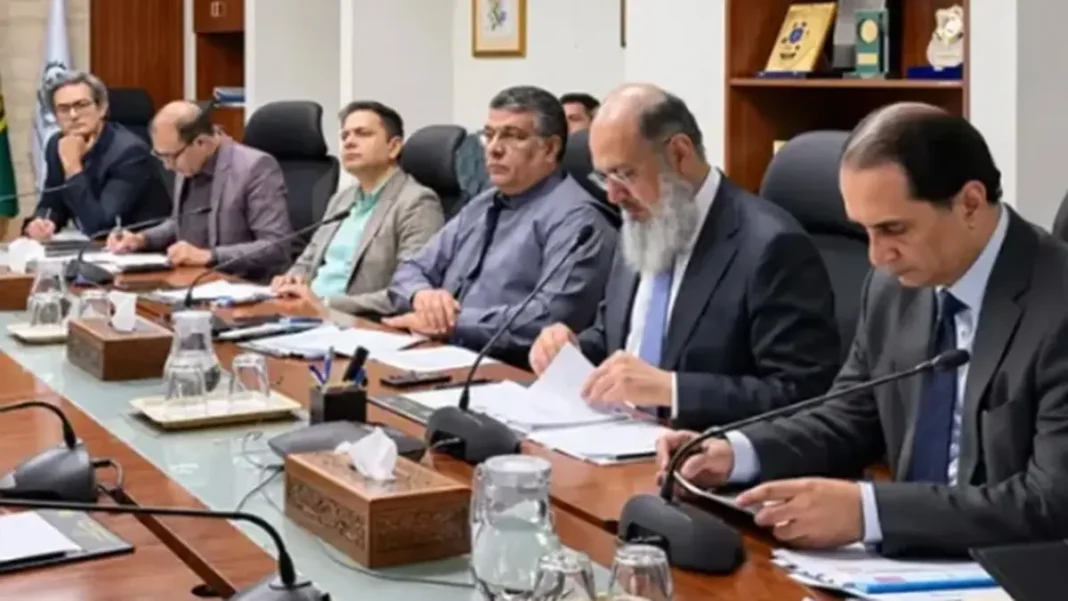
The ministerial meeting will be preceded by a gathering of senior officials from member states. They will review the organisation’s activities and programmes, assess the work of its subsidiary bodies, and finalise the agenda and draft outcome documents for the ministers.
Pakistan holds the ECO chairmanship for 2026-27. It will seek to advance the organisation’s aims under the theme “Reviving Regionalism for a Resilient ECO”, the Foreign Office said.
The chairmanship will focus on strengthening regional connectivity and integration, deepening partnerships and promoting joint efforts for economic prosperity and sustainable development. Pakistan also aims to position itself as a regional connectivity hub, ease logistics supply chains and help shape the agenda for regional trade.
What ECO is and why it matters
The ECO was set up in 1985 by Pakistan, Iran and Turkiye. It expanded in 1992 to include Afghanistan, Azerbaijan, Kazakhstan, Kyrgyzstan, Tajikistan, Turkmenistan and Uzbekistan. The 10-member body aims to promote economic development through cooperation in trade, transport, energy and investment.
The Islamabad meeting comes as Pakistan deepens its regional diplomacy. Pakistan has named Musadik Malik for the SCO civilisational dialogue in New Delhi, and Turkiye has published the law ratifying the Makkah defence pact, which President Erdogan says strengthened ties with Pakistan. At the United Nations, Pakistan has urged Gulf de-escalation as tensions rise in the region.
For the ECO, the test is whether the ministerial meeting moves beyond statements. The members share borders, trade routes and energy links, but regional trade remains far below its potential. The drafts the senior officials finalise will show whether this session produces practical steps on connectivity and commerce, or another round of declarations.
Frequently asked questions
What is the ECO Council of Ministers meeting?
It is the main decision-making gathering of the Economic Cooperation Organisation, a 10-member regional body. The 30th meeting is being held in Islamabad on November 15 and 16, 2026.
Who is chairing the meeting?
Deputy Prime Minister and Foreign Minister Ishaq Dar is chairing the two-day meeting.
Which countries are in the ECO?
Pakistan, Iran, Turkiye, Afghanistan, Azerbaijan, Kazakhstan, Kyrgyzstan, Tajikistan, Turkmenistan and Uzbekistan.
What is Pakistan’s theme as ECO chair?
“Reviving Regionalism for a Resilient ECO”. Pakistan holds the chairmanship for 2026-27.
What will the meeting focus on?
Regional connectivity and integration, deeper partnerships, economic prosperity and sustainable development, with an emphasis on trade, transport, energy and investment.