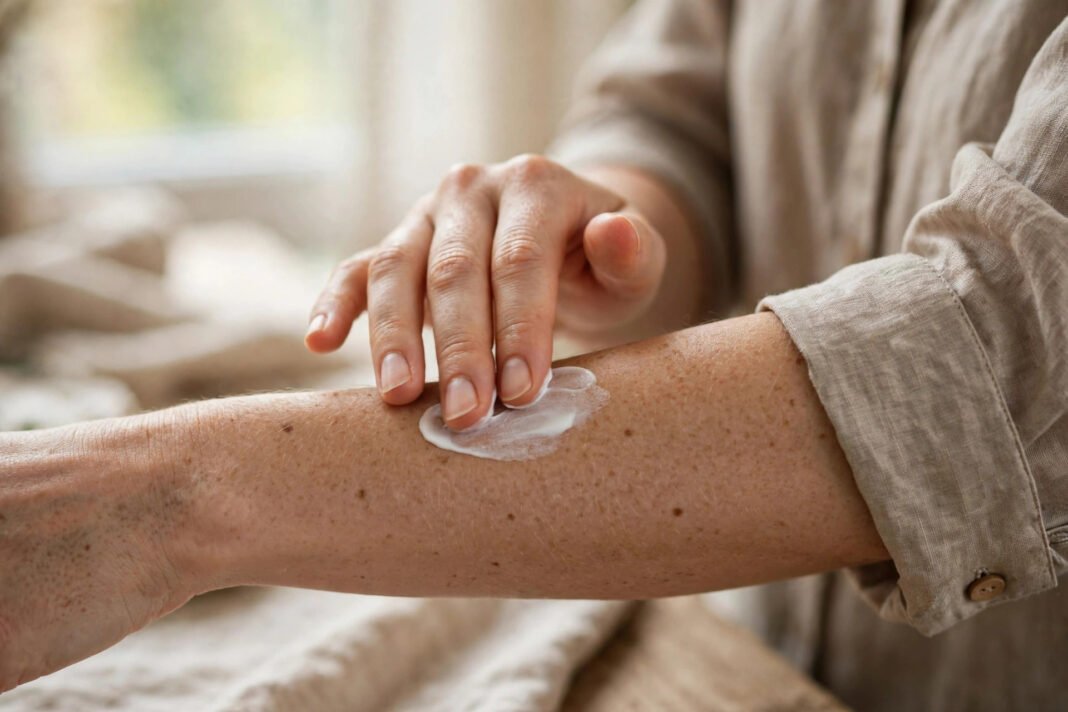
Your knees ache when you climb the stairs. Your fingers feel stiff in the morning. And your shoulders seem tighter than they did in summer. Autumn joint pain is something many women over 35 know well. It often arrives with the first cold, damp days of the season. But is the weather really to blame? And why does it seem to affect women more as they get older? This article looks at what the research actually says, why your body changes after 35, and gentle ways to ease the ache.
Is Autumn Joint Pain Real, or Is It in Your Head?
If you have ever said “I can feel rain coming in my knees,” you are not alone. Many people with joint pain say the weather affects them, and the idea has been around for centuries. But what does the research say? The honest answer is that the evidence is mixed.
Some studies have found links between joint pain and weather, especially humidity and changes in air pressure. But other large studies have found no clear link at all. One analysis of more than a million health records found no link between rainy days and doctor visits for joint pain. So the weather may affect how your joints feel, but scientists have not proven a direct cause. Your pain is real either way, and it deserves attention.
What Cold Weather Does to Your Joints
Even if the research is mixed, cold weather can change how your joints feel. Cold temperatures make muscles, tendons, and ligaments stiffer and less flexible. The fluid inside your joints, which helps them move smoothly, can thicken in the cold. So joints may feel less nimble on a cold morning.
Changes in air pressure may play a part too. When the pressure drops, the tissues around your joints can expand slightly, and that can press on nerves. Cold weather also slows blood flow to your joints a little, which can add to stiffness. And when it is cold and damp, most people move less, and less movement can make joints feel stiffer still. Our article on why joints hurt more in cold weather looks at the cold-weather side in more detail.
Damp weather can add to the problem too. Some studies have found that humidity affects joint pain more than temperature does. Damp, humid days often come with low air pressure, and that combination seems to bother sensitive joints the most. But again, the research is not settled, and different people react to different weather. What matters is what you notice in your own body.
Why Women Over 35 Feel Autumn Joint Pain More
Joint pain does not affect everyone the same way, and women over 35 often feel it more. One reason is hormones. Oestrogen helps keep joints, tendons, and muscles healthy. It supports the quality of tendons and muscles, helps calm inflammation, and even helps reduce the body’s pain response. As oestrogen levels start to fall in the years before the menopause, that protection weakens.
The result can be aching joints, stiff muscles, and sore tendons. More than half of women aged 45 to 55 report muscle and joint pain. The NHS lists muscle aches and joint pains as a symptom of perimenopause and menopause. It also notes that joint pain can continue after the menopause. So if your joints started aching in your late 30s or 40s, hormones may be part of the reason.
Hormones and Autumn Joint Pain After 35
Perimenopause is the name for the years before the menopause, when hormone levels rise and fall unpredictably. It can last several years, and symptoms can start years before periods stop. Joint pain is one of the symptoms many women notice, but few connect it to hormones.
As oestrogen falls, the body also loses muscle more quickly, and weaker muscles give joints less support. Weight gain around this time can add extra load to knees and hips. And osteoarthritis, the most common type of arthritis, becomes more common after 45. Its pain usually gets worse when you use the joint, and the joint may feel stiff after activity. So several changes can arrive at once, and autumn weather can make them feel worse.
The Stiffness That Comes With Less Movement
Autumn changes how we move. The days get shorter, the weather gets colder, and many people spend more time indoors. Walking, stretching, and outdoor activity all drop. But joints need movement to stay healthy, and muscles need use to stay strong.
When you move less, the muscles around your joints weaken, and that puts more strain on the joints themselves. Stiffness builds up, especially after sitting for a long time. Then the stiffness makes you want to move even less, and a cycle begins. This is one reason autumn joint pain can feel worse as the season goes on. Breaking that cycle does not need intense exercise. Gentle, regular movement is enough to start.
Gentle Ways to Ease Autumn Joint Pain
Movement is one of the best things you can do for stiff joints, but it should be gentle. Walking is a good place to start, because it moves the joints without putting too much strain on them. Our guide to the benefits of walking 10,000 steps a day explains why walking helps the whole body. Swimming, gentle yoga, and tai chi are other options that many women find helpful.
Strength and flexibility exercise can also reduce joint pain, because stronger muscles support the joints better. Start slowly, and build up over time. If a movement causes sharp pain, stop and rest. And remember that rest matters too — a sore joint needs rest, but it should not stop moving altogether. A balance of gentle movement and rest works best.
Pacing matters as much as movement. Try to spread activity through the day instead of doing everything at once. Take short breaks when you have been sitting for a while, and change position often. A short walk after lunch, a gentle stretch in the morning, and a warm bath in the evening can all help. Small habits, done regularly, often make more difference than one big effort.
Warmth, Rest and Knowing the Difference
Warmth can feel wonderful on a stiff joint. A warm bath, a warm compress, or simply dressing warmly can ease the ache on a cold day. Warmth helps muscles relax, and that can reduce stiffness. Many women find that keeping warm in autumn makes a real difference to autumn joint pain.
But warmth is not right for every joint. If a joint is hot, red, or swollen, do not put heat on it. A hot, swollen joint needs a doctor, not a hot compress. And if you are unsure whether warmth or rest is right for you, ask your doctor or pharmacist. They can advise you on what suits your situation.
When Joint Pain Needs a Doctor
Most autumn aches are not dangerous, but some joint pain needs a doctor. Get urgent help if you have sudden, severe pain in one joint, or if a joint is hot, swollen, or red. Get help the same day if you have joint pain with a fever, or if you feel hot, cold, and shivery. These can be signs of an infection inside the joint, which needs treatment quickly.
See a doctor if swelling in a joint does not settle, or if stiffness lasts more than 30 minutes after waking. Book an appointment if your pain has not improved after two weeks of home care. And if joint pain stops you doing normal activities, get it checked. Do not try to diagnose yourself. A doctor can check what is going on and advise you on the next steps.
Listen to Your Joints
Your joints have carried you through every step of your life, and they deserve care. Autumn joint pain is common in women over 35, and it is not just in your head. Hormones, cold weather, and less movement can all play a part, and the research is still catching up with what women feel.
So keep moving gently, keep warm, and pay attention to what your body tells you. And when the pain is new, severe, or does not settle, see a doctor. Your joints will thank you for it.
Do your joints ache more when the weather turns cold? What helps you most — movement, warmth, or rest?
This article is for general information only. It is not medical advice.