Government Plans Electricity Market Overhaul as Solar Surges
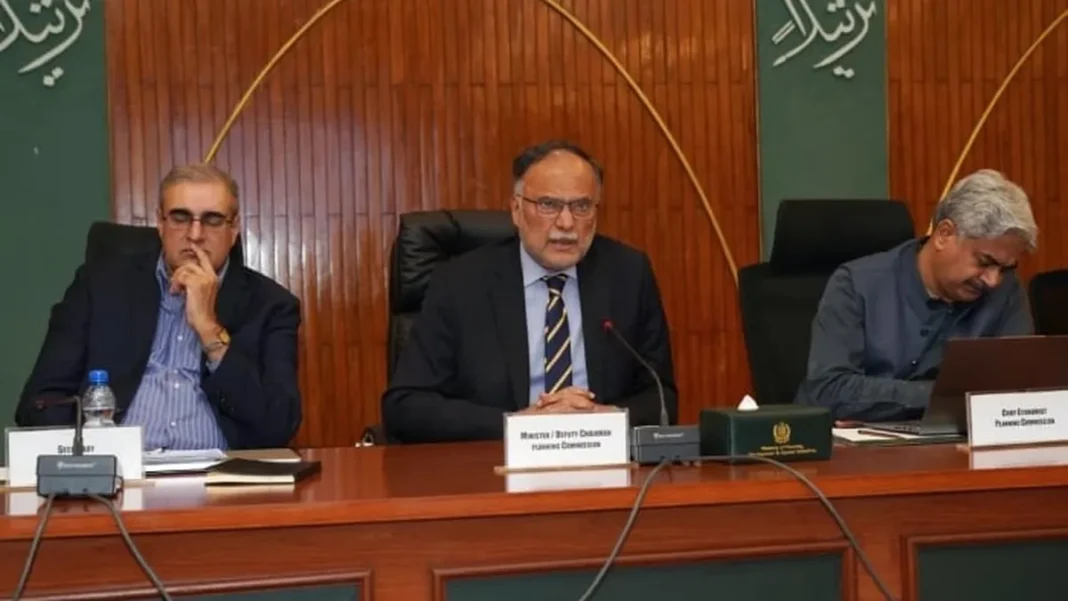
The government is considering changes to Pakistan’s electricity market as rooftop solar adoption cuts demand from the national grid. Finance Minister Muhammad Aurangzeb chaired the meeting at the Finance Division on Friday, November 20. The Steering Committee on Power Sector Regulatory Regime reviewed proposals from a Technical Working Group.
The aim is to align power supply obligations with actual demand and ease the burden of excess generation capacity on consumers. The committee reviewed the working group’s recommendations, part of efforts to improve efficiency, attract private investment and build a more competitive market.
Why the electricity market needs to change
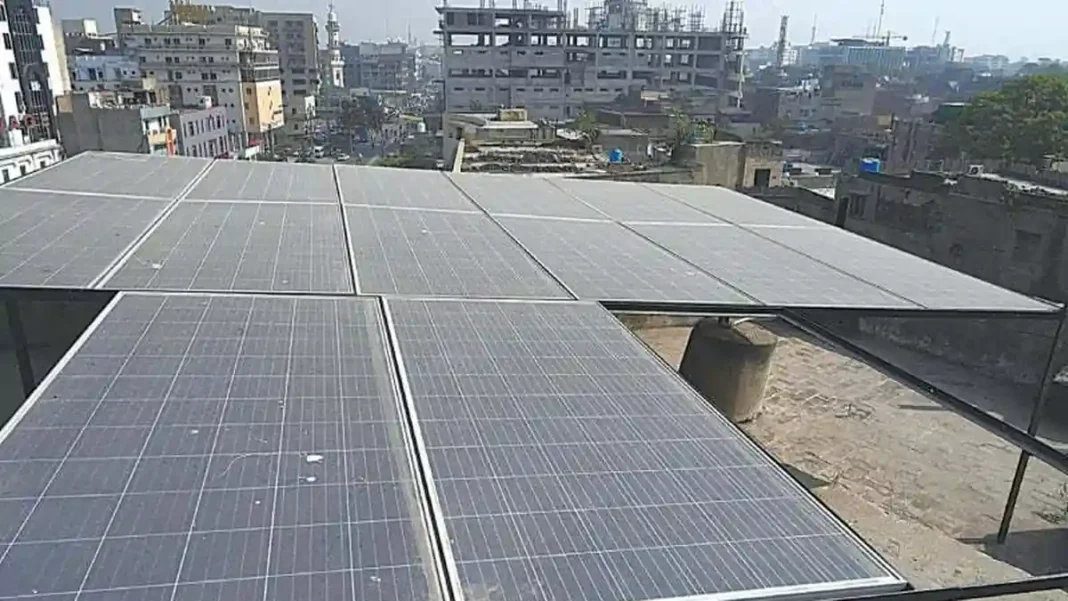
Rapid solar adoption, battery storage and changing consumption patterns have reduced demand from the national grid so sharply that the old market structure no longer fits. Power plants were contracted years ago to supply far more electricity than consumers now draw from the grid.
That gap creates mounting pressure from excess capacity. The cost of capacity payments for idle plants lands on consumers through their bills, even though they use less grid electricity than before.
What CTBCM would change
One proposal involves adapting the Competitive Trading Bilateral Contract Market, known as CTBCM, to Pakistan’s changing energy landscape. The model could align existing power supply obligations with consumer demand, with distribution companies being privatised as part of the shift.
NEPRA approved the CTBCM model in November 2020 as a roadmap for opening the wholesale electricity market. It aims to let bulk power consumers with loads of one megawatt or more buy power from a competitive supplier of their choice, instead of relying on the single-buyer model.
The arrangements could give competitive suppliers more flexibility on tariffs, improve efficiency and make better use of existing capacity. But their impact on existing power purchase agreements, capacity payments and uniform tariffs needs further examination.
Privatisation is already gathering pace across state-owned enterprises, and the distribution companies are next in line for sale. How their supply obligations are handled will shape the new market.
New rules for power suppliers
The committee also examined regulatory changes for distribution network operators and competitive suppliers, covering investment approvals, performance standards, transmission and distribution losses, and safeguards against conflicts of interest.
Changes to the Multi Year Tariff framework were also discussed, including incentives for better efficiency, service quality and lower distribution losses. The finance minister stressed that efficiency gains should reach consumers as savings.
Aurangzeb directed the teams to identify unresolved technical and policy issues and submit recommendations. He stressed the reforms must cut electricity costs, protect consumers, improve service delivery and create a predictable environment for private investment.
What it means for consumers
Households are already voting with their rooftops. Punjab is pushing families toward solar, with phase two of its solar panel scheme covering 100,000 people.
Energy costs are easing on other fronts too. Transport fares were ordered cut after fuel prices fell, and short-term inflation eased to 10.41 per cent as fuel prices dropped.
The question is whether the reforms pass those savings on. If competitive suppliers sell power more cheaply and distribution losses fall, bills should come down. If the old capacity payment burden stays, consumers may keep paying for plants they no longer need.
What happens next
The committee also reviewed the distribution companies’ residual assets and liabilities ahead of privatisation, including land, receivables, pension obligations and litigation, which must be settled before sale.
Further coordination with NEPRA and other stakeholders was stressed, to ensure the framework is legally sound and practical. The recommendations will now go back for further consideration.
Frequently asked questions
Why is the government changing the electricity market?
Rooftop solar, battery storage and changing consumption patterns have cut grid demand. The government wants to align supply obligations with actual demand and ease the cost of excess capacity on consumers.
What is CTBCM?
NEPRA approved the model in November 2020 to open the wholesale electricity market. It lets bulk consumers with loads of one megawatt or more buy electricity from a competitive supplier of their choice.
Who chaired the meeting?
Finance Minister Muhammad Aurangzeb chaired the Steering Committee on Power Sector Regulatory Regime at the Finance Division on November 20.
How would the changes help consumers?
They aim to give competitive suppliers more flexibility on tariffs and improve efficiency, with gains passed on to consumers as savings.
What still needs to be decided?
The impact on existing power purchase agreements, capacity payments and uniform tariffs needs further examination, and the distribution companies’ residual assets and liabilities must be settled before privatisation.