Short-Term Inflation Hits 10.41% as Flour Prices Climb
Short-term inflation in Pakistan reached 10.41 per cent year-on-year in the week ending on November 19, driven largely by wheat flour prices, according to data released by the Pakistan Bureau of Statistics (PBS) on Friday.
The Sensitive Price Indicator (SPI) tracks 51 essential items in 50 markets across 17 cities. Of the 51 items, 23 rose, eight fell and 20 stayed unchanged.
The reading stayed in double digits, yet the pace eased. Short-term inflation stood at 11.21 per cent a week earlier, so the latest figure marked a fall of 0.8 percentage points in seven days.
Short-term inflation eases for a second week
The SPI also fell by 0.65 per cent on a week-on-week basis. That was the second consecutive weekly decline, and Dawn reported that the fall reflected lower oil prices feeding through to the index.
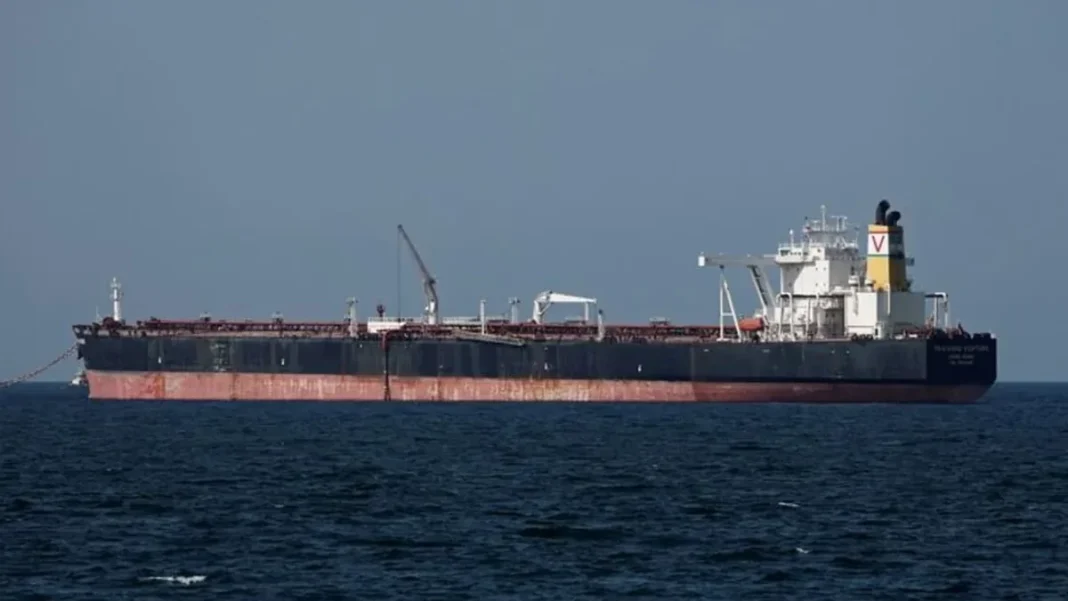
Petrol and diesel prices have dropped sharply in recent weeks. In the 21 days to November 20, petrol fell from Rs396.06 to Rs322 per litre, while diesel declined from Rs398.80 to Rs355 per litre. The cuts worked out at about Rs74 and Rs43.80 per litre respectively.
Planning Minister Ahsan Iqbal has now pressed the provinces to pass the relief on to commuters and traders. He chaired an emergency meeting of the National Price Monitoring Committee on Thursday and directed provincial governments to cut passenger and freight fares in line with falling fuel prices. Ahsan Iqbal had already ordered transport fare cuts after the fuel price drop, and Rawalpindi cut transport fares by up to 12 per cent after the same fall in pump prices.
Flour leads the weekly price rises
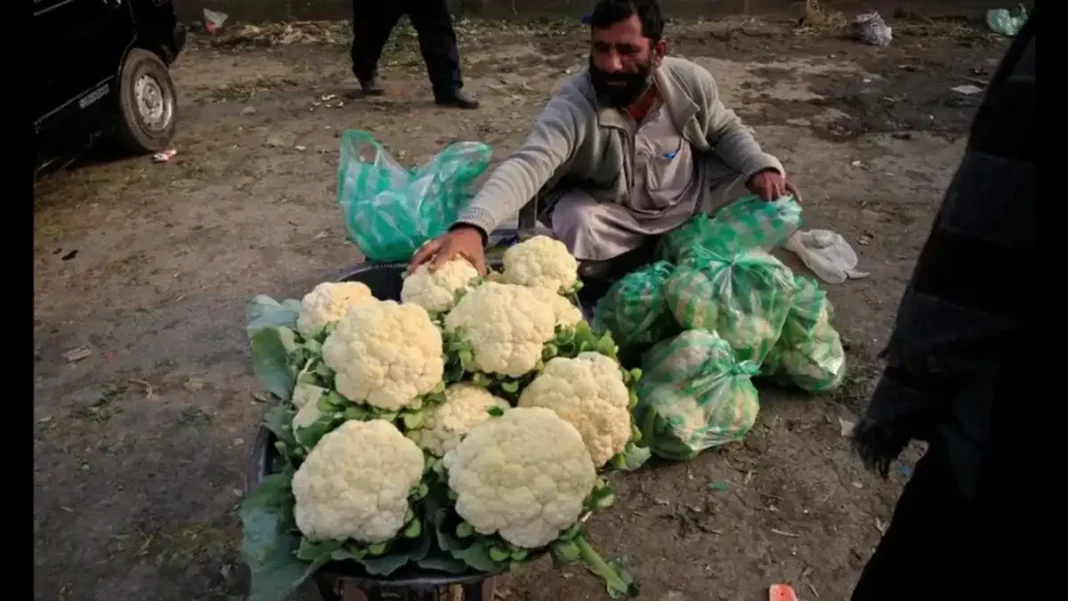
Wheat flour was the main driver of the annual figure, but it was not the only item to rise during the week. Eggs rose by 8.84 per cent, potatoes by 8.07 per cent, wheat flour by 4.42 per cent, and chicken by 3.01 per cent.
Tomatoes, onions, LPG, petrol and diesel became cheaper over the same seven days, falling by 30.55, 9.17, 6.46, 3.87 and 2.46 per cent.
Flour up 44 per cent in a year
The annual picture shows how far food and fuel costs have moved in 12 months. LPG recorded the sharpest rise at 87.99 per cent, followed by wheat flour at 44.20 per cent and electricity for the first quarter at 36.30 per cent. Diesel rose by 24.84 per cent, chicken by 24.35 per cent, onions by 24.05 per cent, and petrol by 21.35 per cent.
Potatoes, sugar, tomatoes and eggs cost less than a year ago.
The flour figure matters because wheat is the staple food for most households. Sindh cut its wheat release price and flour fell by Rs17, which shows that government releases can move retail prices. Yet the annual rise of 44.20 per cent shows that the pressure on flour buyers built up over months, not days.
What to watch next
The next weekly reading will show whether the second consecutive fall turns into a trend. Fuel prices have done much of the recent work, so the fare cuts ordered by the planning minister will test whether lower pump prices reach passengers and goods transport.
Flour will remain the key item to watch. If wheat releases and the new crop ease supply, the annual rate could fall further. If flour stays high, the headline rate will stay in double digits even as fuel costs fall. The broader economy still faces strain, and the IMF has warned that Pakistan’s fiscal position may weaken.
Frequently asked questions
What is short-term inflation in Pakistan?
Short-term inflation is measured by the Sensitive Price Indicator (SPI), which tracks the weekly prices of 51 essential items in 50 markets across 17 cities. The Pakistan Bureau of Statistics releases the data every Friday.
Why did short-term inflation reach 10.41 per cent?
Wheat flour prices drove the annual figure, rising 44.20 per cent over the year. LPG rose 87.99 per cent and electricity for the first quarter rose 36.30 per cent, which also pushed the index up.
Did prices fall during the week?
Yes, on a week-on-week basis. The SPI fell by 0.65 per cent, the second consecutive weekly decline, helped by lower petrol and diesel prices. Tomatoes fell 30.55 per cent and onions fell 9.17 per cent in the week.
What has the government asked the provinces to do?
Planning Minister Ahsan Iqbal chaired an emergency National Price Monitoring Committee meeting on Thursday and directed the provinces to cut passenger and freight fares in line with falling petrol and diesel prices.
How much did wheat flour prices rise in the week?
Wheat flour prices rose 4.42 per cent in the week and were 44.20 per cent higher than a year earlier, according to the PBS data.