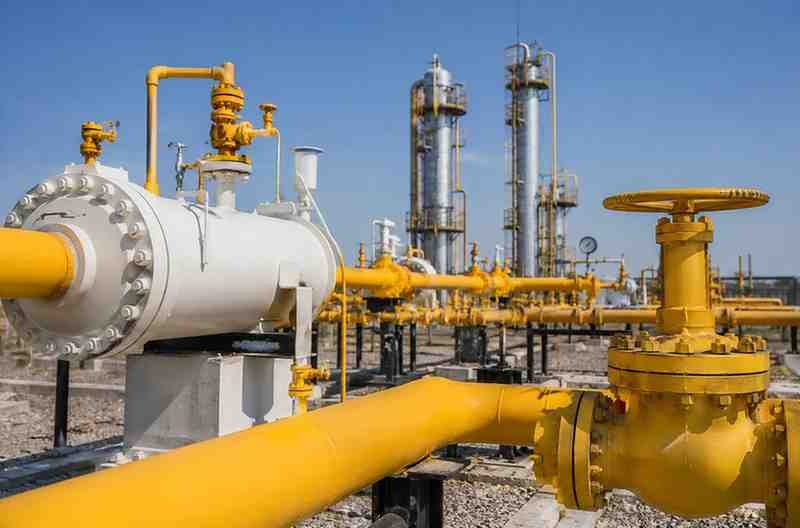
A new energy sector report has revealed a positive change in gas production in Pakistan during the first week of May 2026. According to the latest figures, natural gas output increased by 1.5 percent compared to the previous reporting period. As a result, total gas production reached 3,126 million cubic feet per day (MMCFD).
Officials said higher output from key gas fields helped improve overall performance. In particular, the Qadirpur, Uch, and Shewa fields showed better production levels. Therefore, the latest report brought some relief for the country’s energy sector.
The recent increase in gas production in Pakistan may help reduce pressure on energy supplies in several regions. Moreover, higher gas availability can support industrial activity and electricity generation during the summer season.
The report also highlighted mixed trends in the oil and gas sector. While gas output improved, crude oil production declined slightly. During the first week of May, daily crude oil production dropped by 1 percent. Consequently, total oil production fell to 71,552 barrels per day.
Energy analysts said several operational and market challenges continue to affect oil extraction. However, they noted that the improvement in gas production in Pakistan reflects better field performance and stronger operational management at major production sites.
Meanwhile, the energy sector continues to face growing demand from domestic and industrial consumers. For this reason, authorities remain focused on increasing local energy resources. In addition, experts stress the importance of improving exploration and infrastructure projects nationwide.
Pakistan has struggled with energy shortages for many years. Therefore, even a small rise in gas output carries importance for the national economy. Increased local production can also help reduce dependence on expensive imported fuel.
Industry observers believe stable growth in Pakistan’s gas production could improve investor confidence in the energy sector. At the same time, consistent production levels may support long-term planning for industries that rely heavily on natural gas.
The latest figures also show how important major gas fields remain for the country’s energy supply. Qadirpur, Uch, and Shewa continue to play a major role in meeting domestic demand. Furthermore, officials expect additional improvements if production activities continue smoothly in the coming months.
Experts added that future growth in gas production in Pakistan will depend on discoveries, improved technology, and continued investment in the energy sector.