The government and Jamaat-e-Islami (JI) negotiating committees will meet in Islamabad on Friday to discuss the abolition of the petroleum levy, as the party prepares to resume nationwide protests over fuel prices. JI Deputy Emir Liaquat Baloch confirmed the meeting on Thursday.
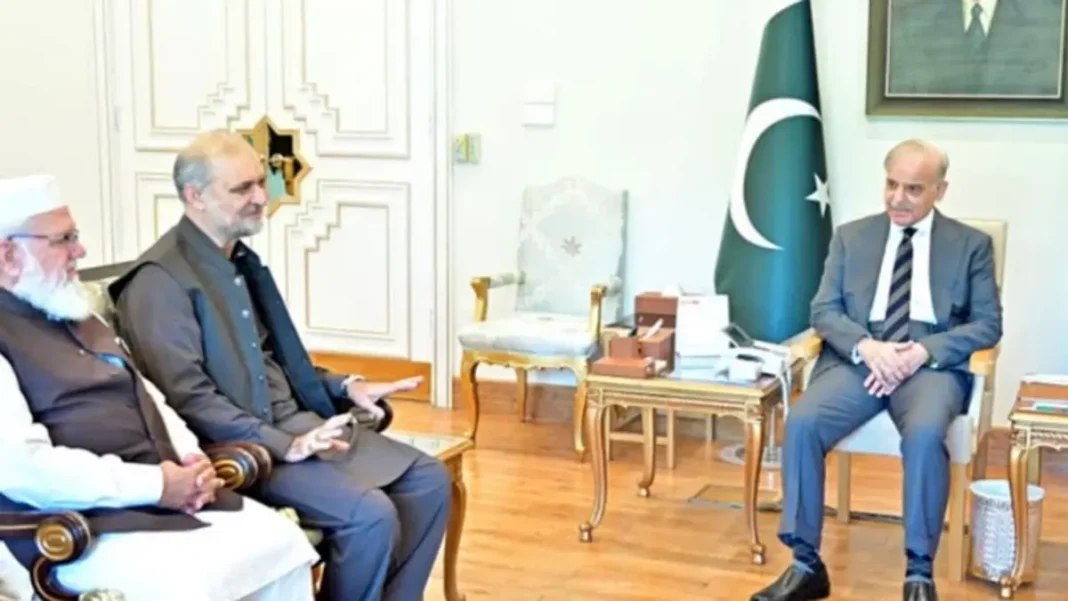
The petroleum levy JI negotiations were arranged after a telephone conversation between Planning Minister Ahsan Iqbal and Baloch. The JI leader said Prime Minister Shehbaz Sharif is also expected to meet JI Emir Hafiz Naeemur Rehman during the negotiations.
Baloch announced that the party would hold nationwide protests on Friday to press its demand. “Negotiations and protests will continue side by side. The people must receive relief and economic activity must continue,” he said.
Petroleum levy JI negotiations: talks and street pressure run together
JI has kept up a two-track strategy for months. The party maintains that it will continue its protest campaign until the government agrees to withdraw the levy, while its negotiators sit across the table from government committees.
The dispute has dragged on because the two sides are far apart. The government cites economic constraints and pressure under the International Monetary Fund programme. JI insists the levy should be abolished outright, not trimmed in a limited relief package.
A campaign running since August
JI first launched sit-ins on August 16 in Karachi, Lahore, Peshawar and Quetta against the petroleum levy, rising fuel prices and inflation. The party accused the government of shifting the burden of its economic policies onto ordinary citizens and demanded the levy be abolished alongside a cut in petrol prices.
The party then held a nationwide shutdown strike on September 3. After that, the two sides agreed to form technical committees to examine proposals for reducing the levy and fuel prices. JI submitted six proposals to the government during the first round of negotiations in Islamabad on September 7.
When successive rounds failed, JI launched a long march towards Islamabad on September 20, starting with a train journey from Karachi. The caravan travelled through Sukkur to Multan, where Hafiz Naeemur Rehman addressed supporters. The prime minister then telephoned Rehman and asked him to postpone the march, offering to meet the party leadership after returning from abroad to discuss relief for the public.
JI suspended the train march at the prime minister’s request, though its workers stayed in Multan pending further talks. The party has since said any meeting between its chief and the prime minister must focus on the complete abolition of the charge. That position has not changed, which makes Friday’s session a genuine test of whether the two sides can close the gap.
Feature Pakistan has tracked this campaign from its third wave of anti-levy protests, and the levy feeds directly into the petrol price revisions consumers see at the pump each month.
What is the petroleum levy?
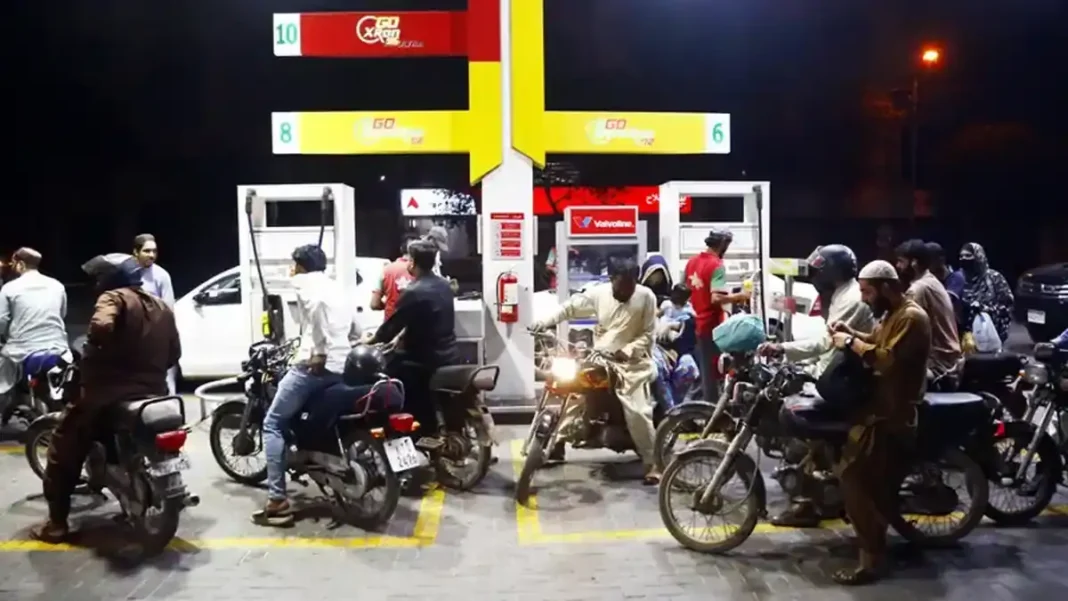
The petroleum levy is a federal charge imposed on petroleum products and forms part of the taxes the government collects through fuel sales. It sits on top of the underlying fuel price and contributes to what consumers pay at petrol pumps.
JI argues the levy adds to the burden on households already facing inflation and higher transport costs. The party has tied its demand for abolition to a wider campaign for lower fuel prices and relief from the rising cost of living. The government says it is working to provide relief while managing economic constraints under the IMF programme.
The original angle in our coverage is the fuel-price link. The latest petrol revision put petrol at Rs387.40 per litre, and with the interest-rate call split as inflation heads toward 10 per cent, the levy debate now sits inside a broader cost-of-living squeeze. Whatever the committees decide on Friday will land directly on household budgets.
Frequently asked questions
When will the government and JI meet?
The two negotiating committees meet in Islamabad on Friday, October 23. Prime Minister Shehbaz Sharif is also expected to meet JI chief Hafiz Naeemur Rehman.
What does JI want?
The complete abolition of the petroleum levy, plus lower petrol prices. The party says it will keep protesting until the levy is withdrawn.
Why has the government not abolished the levy?
It cites economic constraints and commitments under the IMF programme, arguing that a full withdrawal is not currently affordable.