Irsa approves 22pc cut in Rabi water share for Punjab, Sindh
Irsa approves 22pc cut in Rabi water share for Punjab, Sindh
The Indus River System Authority has approved a 22 per cent lower Rabi water share for the coming season, placing the entire burden of the shortage on Punjab and Sindh while exempting Balochistan and Khyber-Pakhtunkhwa from supply cuts.
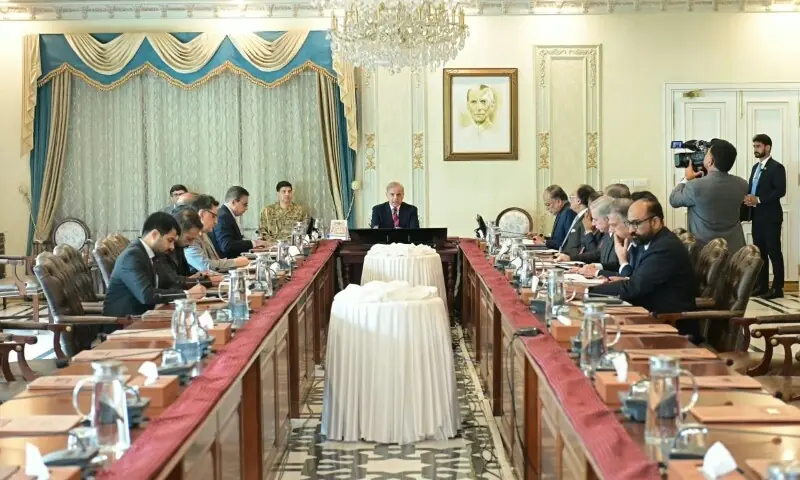
The decision, taken by Irsa’s Advisory Committee on Tuesday, covers the Rabi season that runs from October 1 to March 31. The regulator voiced serious concern over delays in key water projects that it said were aggravating shortages.
“Based on the agreed inflows and other system operational parameters, overall system shortage worked out at 22pc for both Punjab and Sindh, which was approved,” Irsa said after the meeting, chaired by Irsa Chairman Amjad Saeed. The shares may be reviewed as the season progresses.
How the Rabi water share was calculated
The meeting approved anticipated rim-station inflows of 21.268 million acre feet (MAF), with total Rabi availability estimated at 29.18 MAF against 38 MAF envisaged under the 1991 Water Accord. Punjab will receive 15.564 MAF and Sindh 11.748 MAF, while Balochistan (1.171 MAF) and KP (0.71 MAF) get their shares without cuts.
The shortage was distributed under a de facto three-tier formula that applies cuts only to Sindh and Punjab. Informed sources said the 22pc figure was under-reported at Sindh’s insistence: Punjab and Wapda had projected a 26pc shortage, and Irsa’s own calculations agreed. Sindh reiterated its opposition to the three-tier formula and pushed for applying Para 2 of the 1991 Water Accord instead.
Tarbela delays deepen the shortage
Irsa reprimanded the Water and Power Development Authority after sources said more than three million acre feet of water could not be stored at Tarbela dam because of filling restrictions Wapda imposed for ongoing construction works.
The regulator reviewed Wapda’s T4 low-level outlet and Tunnel-5 hydropower project and urged their early completion. T4 was due in 2022 and Tunnel-5 by July 2025; the delays may now extend into early 2028. Wapda hinted that full Tarbela capacity would not be available in the next two Kharif seasons, in 2027 and 2028, and the constraints forced higher discharges from Mangla dam, hampering its filling ahead of Rabi.
Wheat crop at risk
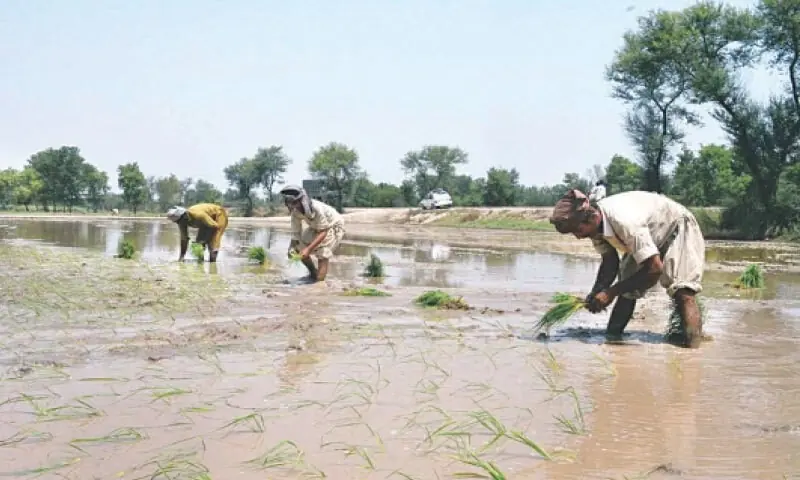
The 22pc cut has raised food security concerns, given that wheat is the Rabi season’s main crop. The warning carries weight: the last Rabi faced no water shortage, yet the country still ended up with a wheat shortfall of more than two million tonnes, forcing one million tonnes of imports.
Against a target of 29.7 million tonnes and consumption of 31.9 million tonnes, the country is estimated to have produced around 27.5 million tonnes. Last year, Rabi began with a 13 MAF dam carryover, almost 27pc higher than this year’s level.
The 1991 Water Accord empowers Irsa to determine water availability and provincial shares twice a year. But with shortages above 10pc now routine, Irsa applies the de facto three-tier formula, to Sindh’s continued dissatisfaction. The dispute over the Indus Waters Treaty has already put Pakistan’s water security in the spotlight this year.
What happens next
Irsa said the shares may be reviewed periodically through the season. Much will depend on winter inflows and whether Wapda can keep Tarbela and Mangla filling on track.
Frequently asked questions
What is the approved Rabi water share?
Irsa approved a 22pc lower water share for Rabi (October 1 to March 31), with total availability of 29.18 MAF against 38 MAF envisaged under the 1991 Water Accord. Punjab gets 15.564 MAF and Sindh 11.748 MAF.
Which provinces face the water cut?
Only Punjab and Sindh face the 22pc cut under Irsa’s de facto three-tier formula. Balochistan (1.171 MAF) and Khyber-Pakhtunkhwa (0.71 MAF) are exempt from supply cuts.
Why is there a water shortage this Rabi?
Irsa blamed lower rim-station inflows and delays in key projects, particularly Wapda’s Tarbela Tunnel-4 and Tunnel-5 works, which prevented more than 3 MAF of storage. Sindh maintains the real 26pc shortage was under-reported.