BANGKOK: The International Monetary Fund warned on Tuesday that heavily indebted developing countries had “no choice” but to cut spending or potentially face debt restructuring, as the energy shock from the war on Iran hits oil-importing nations the hardest.
The IMF cut spending warning came from Petya Koeva Brooks, the Fund’s deputy director of research, who was speaking to AFP on the sidelines of the IMF-World Bank Annual Meetings in Bangkok. She said countries with high debts and no oil of their own were facing the worst of the crisis and had difficult choices to make in shielding their citizens.
“Unfortunately, after years of the global economy being hit (by) shock after shock, debt levels have increased quite a lot, and at the same time, inflation has become a problem,” she said.
The war on Iran has sent global energy prices soaring. Tehran’s retaliatory action has targeted Washington’s Gulf allies and curtailed oil and gas supplies, and the crisis has also hit crucial fertiliser supplies, raising the cost of food production.
The IMF has called on countries to offer narrow, targeted subsidies instead of broad handouts, while also asking all governments to rebuild fiscal buffers and address rising debt after years of fighting one shock after another since the pandemic.
“Our messages indeed apply to most countries, but again, the trade-offs and the choices that have to be made are much more difficult for the most vulnerable countries,” Koeva Brooks said.
Cut spending now, or face debt restructuring later
The Fund’s World Economic Outlook, released on Tuesday, identified the countries most at risk from the Iran war shock: low-income developing countries that are net oil importers and are not exposed to the ongoing artificial intelligence technology investment boom.
In other words, poor countries that buy their fuel from abroad, and are not earning from the AI investment wave, face the sharpest pain from the war-driven price spike. Pakistan, which imports almost all of its petroleum needs, sits squarely in this group.
The warning lands in Bangkok while Pakistan’s own delegation is at the same meetings. Finance Minister Muhammad Aurangzeb is in the Thai capital for the annual talks, and Pakistan recently took the chair of the borrowers’ platform council — a reminder of how heavily developing economies rely on the Fund when shocks strike.
Pakistan faces the same squeeze
The IMF’s message carries a direct warning for Pakistan. Just this week, the Fund raised its inflation forecast for Pakistan to 9.9 per cent, partly because of the war-driven rise in global energy prices. When oil and gas cost more, fuel and electricity become more expensive at home, and the rupee comes under pressure.
The government’s fiscal room is already tight. It has committed to a primary surplus under its IMF programme, which means subsidies for the poor must be carefully targeted rather than spread thin.
The war has also made borrowing harder. With debt levels high across the developing world and inflation back as a problem, countries that cannot cut spending may eventually need to restructure their debts — a step that brings years of pain for ordinary people.
What happens next
The annual meetings continue through the week in Bangkok, with energy prices and debt relief expected to dominate the agenda for developing countries.
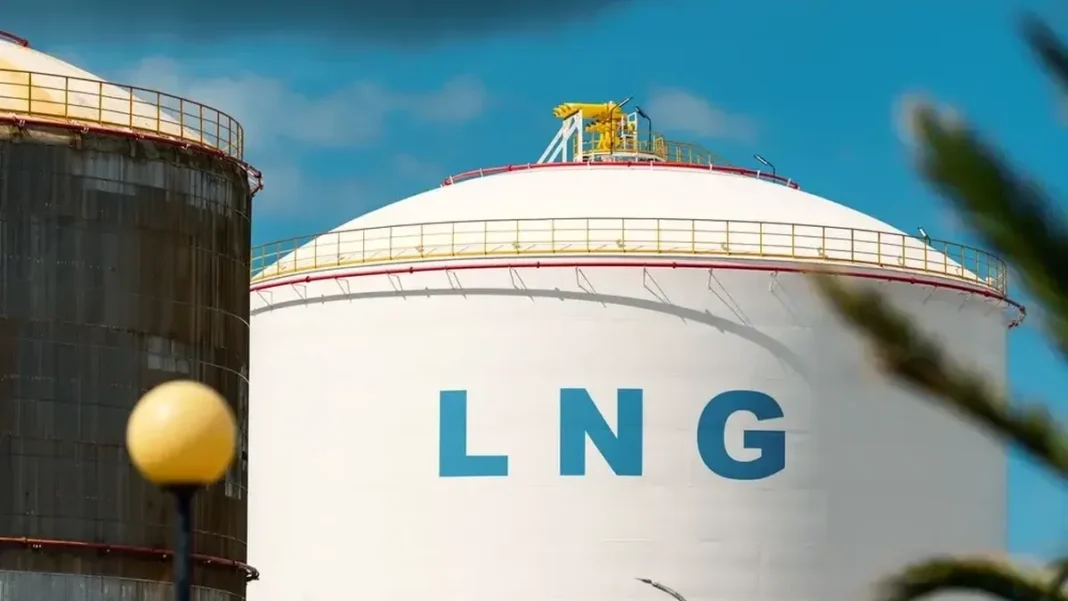
For Pakistan, the immediate test is the winter energy plan. The government has already arranged LNG cargoes for the cold months, but at inflated prices. If oil prices stay high, the next quarterly adjustment in fuel and power prices will show how much of the IMF’s warning hits home.
FAQs
What did the IMF say about developing countries?
The IMF’s research deputy, Petya Koeva Brooks, said heavily indebted developing countries had “no choice” but to cut spending or potentially face debt restructuring, because the Iran war energy shock was hitting oil-importing nations hardest, as reported by AFP.
What does the IMF want countries to do?
It wants governments to offer narrow, targeted subsidies to protect the poorest, while rebuilding fiscal buffers and reducing debt. It has warned against broad, untargeted spending that the state cannot afford.
How does this affect Pakistan?
Pakistan imports almost all its oil and gas. The IMF has just raised Pakistan’s inflation forecast to 9.9 per cent on the back of the war shock, and the country’s winter LNG bill has doubled. Finance Minister Aurangzeb is currently at the IMF-World Bank meetings in Bangkok.