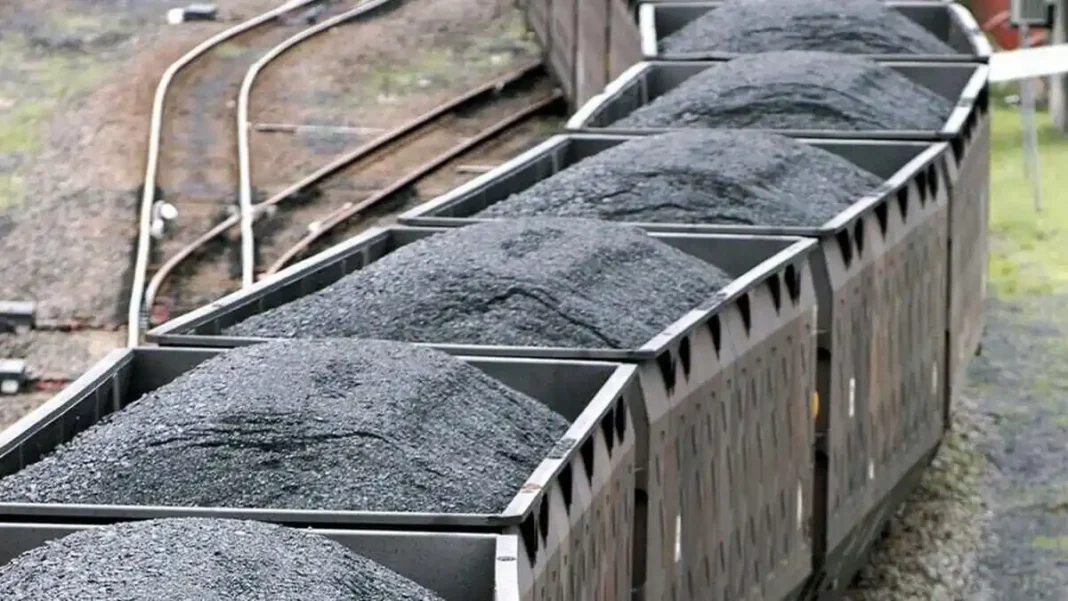
Moreover, pakistan generated 13,217 gigawatt-hours of electricity in September 2026. Up 5 per cent from a year earlier. While the average fuel cost of power generation climbed 32 per cent to Rs9.4 per unit, according to a report by Topline Research. Moreover, the report shows imported coal power generation Pakistan more than doubled year on year. Moreover, rising 111 per cent to 2,155 GWh in September.
Moreover, imported coal-fired generation rose from 1,019 GWh in September 2025. Moreover, its share of the national generation mix increased to 16.3 per cent from 8.1 per cent a year earlier.
Moreover, imported coal power generation Pakistan: what the data shows
Imported coal was not the only source posting sharp annual gains. Moreover, furnace oil generation climbed 171 per cent to 263 GWh. Moreover, compared with 97 GWh in September 2025, lifting its share of the mix to 2 per cent from 0.8 per cent. Moreover, wind power generation increased 36 per cent to 464 GWh, locally mined coal rose 10 per cent to 1,327 GWh. Gas-based generation grew 13 per cent to 1,066 GWh.
On the other side of the ledger, nuclear power generation declined 15 per cent year on year to 1,893 GWh, while regasified liquefied natural gas (RLNG) generation fell 56 per cent to 804 GWh. Hydropower output edged up 1 per cent to 4,834 GWh, remaining the country’s largest single source of electricity.
Where the power came from in September
| Source | Generation (GWh) | Share of mix |
|---|---|---|
| Hydropower | 4,834 | 36.6% |
| Imported coal | 2,155 | 16.3% |
| Nuclear | 1,893 | 14.3% |
| Local coal | 1,327 | 10.0% |
| Gas | 1,066 | 8.1% |
| RLNG | 804 | 6.1% |
| Wind | 464 | 3.5% |
| Furnace oil | 263 | 2.0% |
| Others (HSD, solar, bagasse) | ~411 | 3.1% |
The mix also shifted from August: nuclear’s share rose to 14.3 per cent from 10.2 per cent. Furthermore, hydropower slipped to 36.6 per cent from 37.8 per cent. Overall generation dropped 12 per cent from August’s 14,942 GWh.
Fuel costs: what got more expensive
The average fuel cost reached Rs9.4 per unit in September. In addition, up from Rs7.1 a year earlier, though it eased 7 per cent from Rs10 in August. RLNG recorded one of the sharpest annual increases, rising 87 per cent to Rs39.7 per unit. Furnace oil costs increased 58 per cent to Rs44.9 per unit. While imported coal costs rose 25 per cent to Rs17.2 per unit.
Nuclear generation costs increased 33 per cent to Rs2.9 per unit. In contrast, the cost of electricity from locally mined coal fell 54 per cent to Rs6 per unit, gas-based generation costs declined 3 per cent to Rs13 per unit. Bagasse costs rose 10 per cent to Rs10.9 per unit.
What this means for consumers
The fuel-cost surge feeds directly into the bills households are about to receive. Asreported on October 18, power consumers face a Rs33 billion hit in their November bills, and September’s higher generation costs help explain why. However, with imported coal now supplying more than one-sixth of the country’s electricity at Rs17.2 per unit. RLNG and furnace oil costs running far above last year’s levels. The quarterly average fuel cost of Rs10.1 per unit. Up 36 per cent year on year from Rs7.4, will keep pressure on tariffs.
Readers tracking their own costs can checkOctober’s electricity bill breakdownand our explainer on theelectricity price hikefor context on how fuel adjustments flow through to consumers. Pakistan has also beenbuying 26 LNG cargoes for the winter months, a move that will shape the fuel mix in the months ahead.
For the first quarter of FY27, total generation reached 43,281 GWh, up 6 per cent from 40,933 GWh last year. As a result, imported coal generation rose 102 per cent to 6,654 GWh over the quarter. While RLNG fell 42 per cent to 3,744 GWh and nuclear declined 14 per cent to 4,948 GWh.
Frequently asked questions
How much did imported coal generation rise in September 2026?
It rose 111 per cent year on year to 2,155 GWh. Increasing its share of Pakistan’s power mix to 16.3 per cent from 8.1 per cent.
What is Pakistan’s largest source of electricity?
Hydropower, which generated 4,834 GWh in September, accounting for 36.6 per cent of the total.
What was the average fuel cost of power generation?
Rs9.4 per unit in September, up 32 per cent from Rs7.1 a year earlier, though down 7 per cent from August’s Rs10.
Why does this matter for electricity bills?
Higher fuel costs flow into consumer bills through fuel adjustments. The cost surge underpins the Rs33 billion hit consumers face in November bills.