


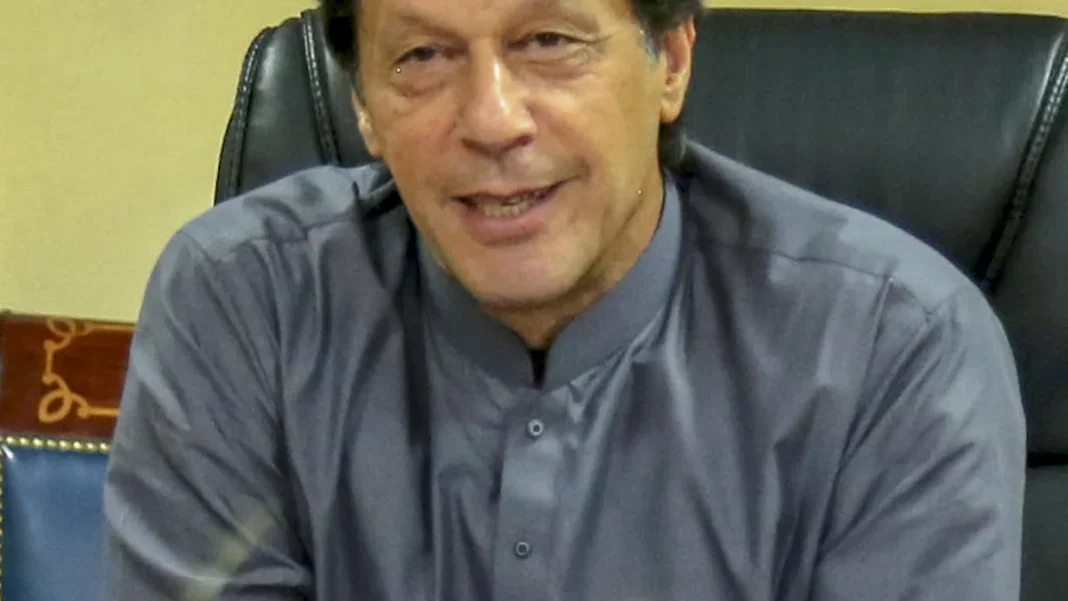
From World Cup captain to prime minister: Imran Khan’s 2018–22 tenure was Pakistan’s great populist experiment — and its first premier removed by a vote of no-confidence. This is the balanced account.
Quick answer: Imran Khan was PM from 18 August 2018 to 10 April 2022 (PTI). His government: Ehsaas welfare programme, Sehat Card health insurance, COVID handling praised internationally — and an economy in crisis (IMF programme, inflation). Ousted by no-confidence vote (April 2022); imprisoned since 2023.
In this guide
The 2018 Victory
After 22 years building the PTI (founded 1996), Imran won the 2018 general election — the first transfer of power between two civilian governments via the ballot box’s full cycle (PPP → PML-N → PTI). The opposition alleged military engineering; Imran called it a mandate for a ‘Naya Pakistan’ — anti-corruption, welfare state, independent foreign policy. He took oath on 18 August 2018.
The Record
- Ehsaas: the largest welfare programme in Pakistan’s history — cash transfers to millions
- Sehat Card: universal-ish health insurance (up to Rs1m per family) in Punjab/KP
- COVID: ‘smart lockdowns’ — praised by the WHO; Pakistan fared better than feared
- Economy: the weak point — IMF bailout, rupee devaluation, inflation that eroded his base
- Foreign policy: ‘absolutely not’ (US bases), the Russia visit on Ukraine-invasion day, cooling with the West
The Ouster
By 2022 the coalition frayed and the establishment’s support withdrew. The opposition’s no-confidence motion succeeded on 10 April 2022 — the first successful one in Pakistan’s history — after a week of constitutional drama (the deputy speaker’s dismissal of the motion, the Supreme Court’s midnight intervention). Imran claimed a ‘foreign conspiracy’ (the ‘cipher’); his supporters flooded the streets. Shehbaz Sharif succeeded him.
Aftermath
What followed: mass PTI popularity (by-elections, the 2024 polls), 9 May 2023 riots after his arrest, a crackdown, and Imran’s imprisonment since 2023 on multiple convictions — while remaining Pakistan’s most popular politician by most measures. The tenure’s verdict is still being written — in courtrooms as much as history books. The full list: Pakistan prime minister list.
The Cipher Controversy
Imran’s dramatic claim: a US-backed regime-change conspiracy, evidenced by a diplomatic cipher (a coded cable from Pakistan’s Washington embassy). The US denied it; Pakistan’s National Security Committee acknowledged ‘blatant interference’ but found no conspiracy; Imran was later convicted in the cipher case (for leaking state secrets) — the conviction was overturned on appeal in 2024. The cipher remains the Rorschach test of his ouster: conspiracy to his supporters, pretext to his critics.
Frequently Asked Questions
How long was Imran Khan PM?
3 years 8 months — 18 August 2018 to 10 April 2022, ended by the no-confidence vote.
Why was Imran Khan removed?
A successful vote of no-confidence (April 2022) after his coalition collapsed and establishment support withdrew. He alleged a foreign conspiracy; the opposition cited economic mismanagement.
: the 2018 victory, Ehsaas and Sehat Card, the economy, and the no-confidence ouster.)