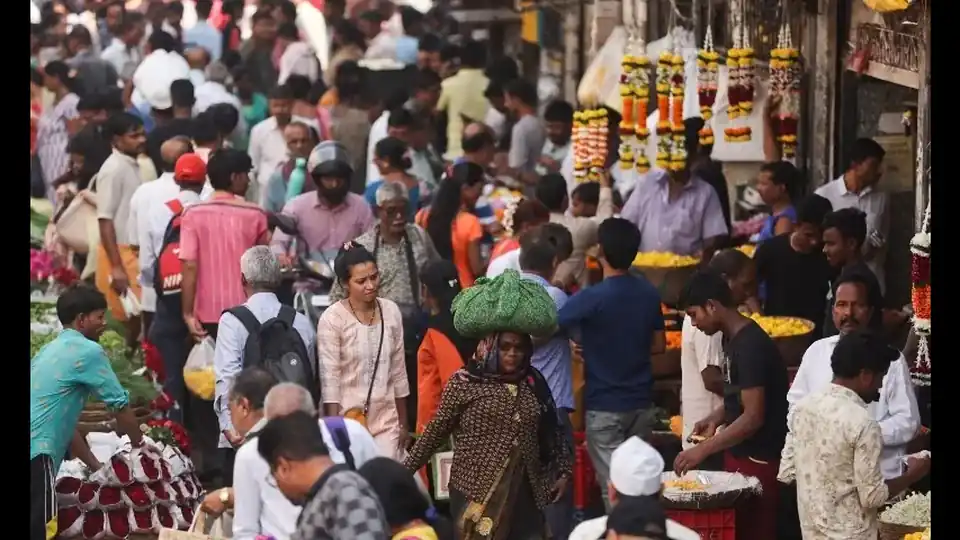
India is projected to overtake Japan as the world’s fourth-largest economy in 2027, with nominal GDP reaching $4.52 trillion, according to new International Monetary Fund projections. The forecast makes India the fourth largest economy in 2027, pushing Japan down to sixth place behind India and the United Kingdom.
The IMF also raised its forecast for India’s economic growth in 2026 to 7 per cent, despite global headwinds. Japan, by contrast, is projected to grow by just 0.7 per cent in 2026.
IMF backs India’s revised GDP figures
The projections came alongside an IMF endorsement of India’s revised method for calculating GDP. Krishna Srinivasan, director of the IMF’s Asia and Pacific Department, described the revision as a “welcome development” and commended India’s Ministry of Statistics and Programme Implementation for improving the country’s GDP statistics.
“These revisions to the methodology are entirely consistent with the advice we’ve been giving them, including from our statistics department,” Srinivasan told reporters in Bangkok on Thursday. He added that India had issued a note explaining the changes, while noting room for further improvement.
The endorsement lands in the middle of a political row over India’s growth numbers. The economy grew 7.8 per cent in the June quarter, according to government data released last month. Former finance secretary S C Garg questioned the credibility of the figures, alleging the growth rate had been artificially boosted by compressing the previous year’s numbers.
Chief Economic Adviser V Anantha Nageswaran rejected that claim as “cherry-picking” of data. He said the latest figures used the financial year ending March 2023 as the new base year, with methodological changes also revising quarterly data for the previous year.
Why India becomes the fourth largest economy in 2027 as Japan slips
Japan’s projected fall reflects deep structural problems. The country, which battled deflation for years, has faced sustained consumer price increases since the spring of 2022. Higher energy prices linked to the Iran war have added to inflation, while weakness in the yen against the dollar has raised import costs.
An ageing population continues to weigh on economic activity. Srinivasan noted that Japan was gaining from increased investment in artificial intelligence, though the gains were smaller than in some regional economies.
The IMF’s Regional Economic Outlook for Asia and the Pacific, released on Thursday, also noted that India was among emerging economies whose currencies came under pressure after the energy shock. That pressure has partly eased in recent months, and India was among the economies that intervened in foreign exchange markets to steady its currency.
The United States remains the world’s largest economy, followed by China and Germany.
What it means for Pakistan
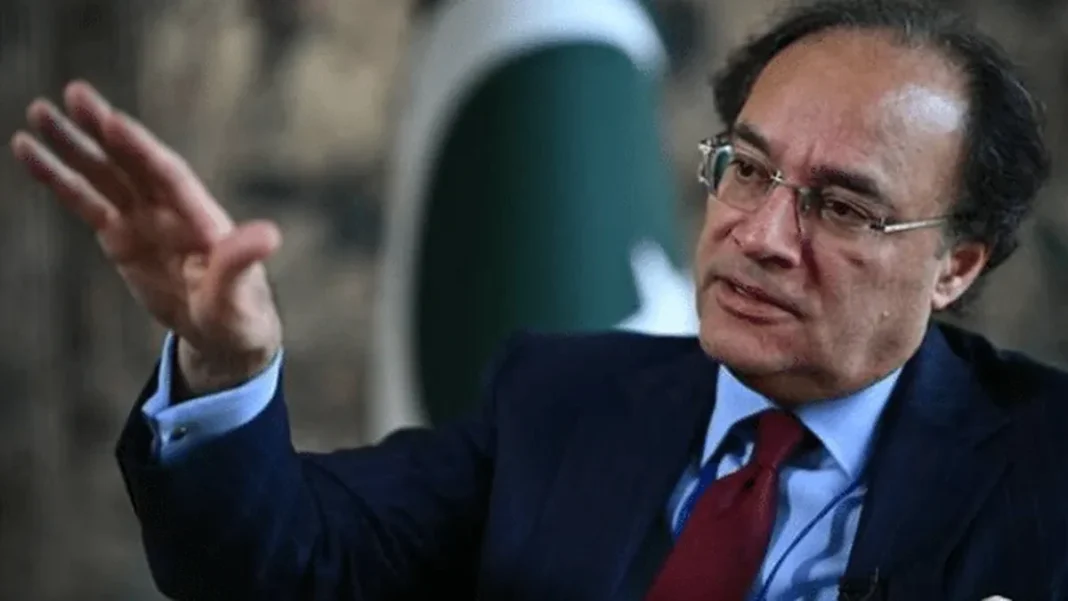
India’s rise sharpens the regional economic picture for Pakistan. As New Delhi attracts investment on the back of 7 per cent growth, Islamabad is working to position itself as a trade and investment destination rather than an aid recipient. Finance Minister Muhammad Aurangzeb has argued that Pakistan’s future lies in export-led growth and regional trade partnerships, a strategy that depends on credible reforms at home.
The contrast also underlines what economists have long said about Pakistan: growth comes from productivity, exports and investment, not borrowing. India’s overtaking of Japan is a reminder that economic rankings reward countries that sustain reform through political cycles. For Pakistan, the lesson is closer to home than Tokyo.
Frequently asked questions
When will India become the fourth-largest economy?
The IMF projects India will overtake Japan as the world’s fourth-largest economy in 2027, with nominal GDP of $4.52 trillion.
What is India’s projected growth rate for 2026?
The IMF raised India’s 2026 growth forecast to 7 per cent. Japan is projected to grow by only 0.7 per cent in the same year.
Why did the IMF endorse India’s GDP methodology?
IMF Asia-Pacific director Krishna Srinivasan said India’s revised GDP calculation method was consistent with international best practices and the advice of the Fund’s statistics department.
Which are the world’s largest economies now?
The United States is the largest, followed by China and Germany. India is projected to take fourth place from Japan in 2027.