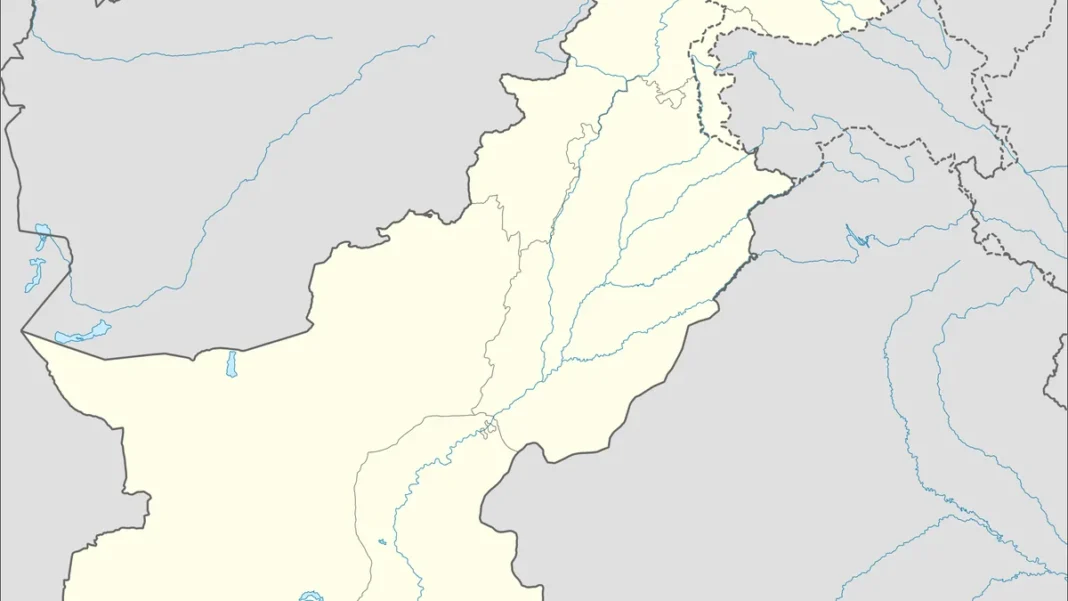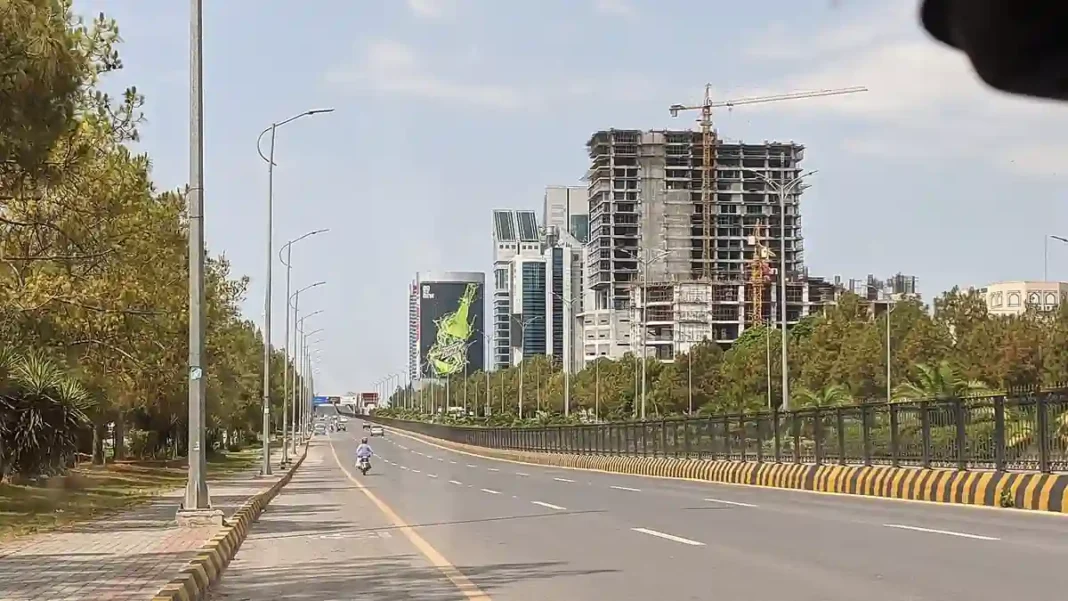
Islamabad is Pakistan’s capital — a planned city of wide avenues, green sectors and Margalla views that feels unlike anywhere else in the country. This complete guide covers its history, sectors, landmarks, food, transport and the practical details every visitor and newcomer needs.
Quick answer: Islamabad, Pakistan’s capital since 14 August 1967, is a planned city of 2.36 million people (2023 census) at the foot of the Margalla Hills. Designed by Constantinos Doxiadis, it runs on a lettered sector grid (E, F, G, H, I), hosts the Faisal Mosque and Pakistan Monument, and is administered as a federal territory — not a province.
In this guide
Islamabad Essentials
Islamabad (pop. 2,363,863 in the Capital Territory, 2023 census) sits at 666m elevation on the Pothohar Plateau, with the Margalla Hills rising to 1,584m behind it. Nicknamed Isloo and The Green City, it is Pakistan’s tenth-largest city — deliberately calm, green and low-rise compared with Karachi or Lahore. The federal government, Parliament, Supreme Court and diplomatic enclave all sit here. For the full backstory, start with our Islamabad, Pakistan pillar guide.
Understanding the Sectors
Islamabad’s address system is a grid: letters (E to I, plus D and H zones) run west–east, numbers run south–north, each sector roughly 2×2 km split into four sub-sectors. F-6/F-7 hold the diplomatic and commercial core (Jinnah Super, Kohsar Market); E-7 is the most prestigious residential address; G-9’s Karachi Company is the bargain bazaar; Blue Area along Jinnah Avenue is the business spine; DHA and Bahria Town sprawl to the south and west as private housing societies.
What to See and Do
Faisal Mosque (completed 1986) is the must-see — arrive before sunset. Daman-e-Koh viewpoint and Margalla Trails 3 and 5 deliver the city’s best panoramas. The Pakistan Monument at Shakarparian, Lok Virsa folk museum, Rawal Lake and 500-year-old Saidpur Village fill a second day. Our Pakistan tour guide fits Islamabad into 7, 10 and 14-day itineraries.
Where to Eat
Kohsar Market and F-7’s eateries do the capital’s famous desi breakfasts and barbecue; Saidpur Village’s hillside restaurants serve dinner with a view; the Sunday bazaars in each sector are where locals actually shop. Burns Road-style Karachi food has Islamabad outposts, but the city’s own taste runs to chapli kebab houses and dhaba chai.
Practical Information
Airport: Islamabad International (ISB), ~40 minutes from the centre, metro bus connected. Best months: October–March. Getting around: ride-hailing apps work well; the metro bus covers Jinnah Avenue and the airport corridor. Area code 051, postcode 44000. Government offices cluster in the Red Zone — carry ID. For official errands, see passport office timings and the PM House guide.
Frequently Asked Questions
Is Islamabad worth visiting?
Yes — for the Faisal Mosque, Margalla trails, Daman-e-Koh sunsets and the sheer calm of the planned sectors. Two to three days covers the essentials.
How many days are enough for Islamabad?
Two full days for the classic sights; add a third for hiking the Margalla trails or a day trip to Taxila or Murree.
What is Islamabad famous for?
The Faisal Mosque, the Margalla Hills, its planned sectors, greenery, and being Pakistan’s political capital — Parliament, Supreme Court and the diplomatic enclave.
Is Islamabad safe for tourists?
Islamabad is considered Pakistan’s safest major city, with a heavy security presence in central zones. Standard travel precautions apply, as anywhere.