


The biggest province of Pakistan — Balochistan by land, Punjab by people. This page gives you the biggest-province facts in one place: area, population, capital, and the numbers examiners ask for.
Quick answer: Biggest province of Pakistan: Balochistan (347,190 km², capital Quetta) by area; Punjab (127.7 million people, capital Lahore) by population. ‘Biggest’ unqualified = Balochistan.
In this guide
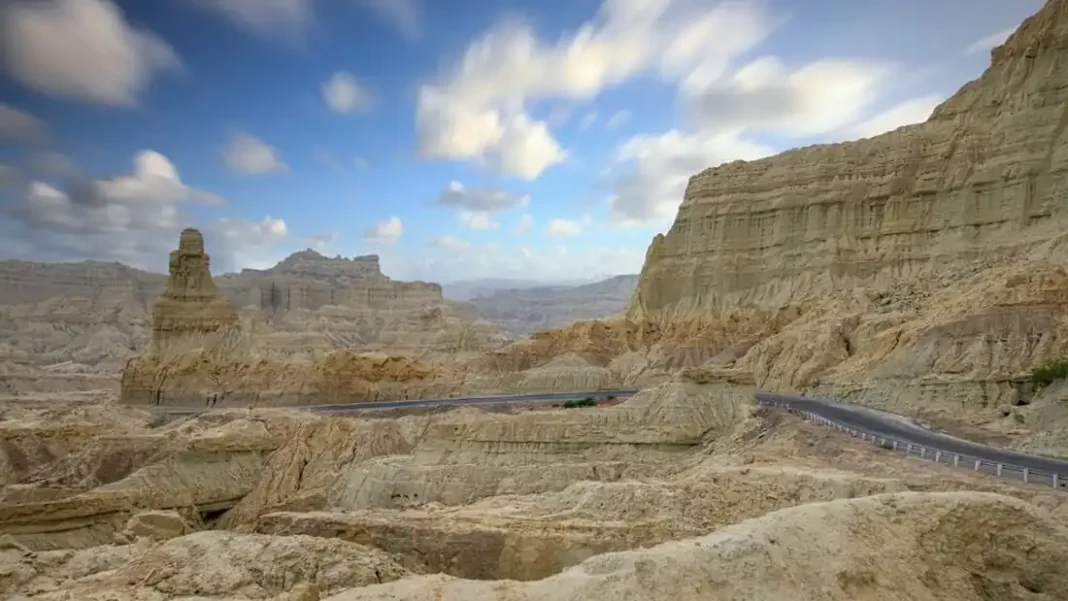
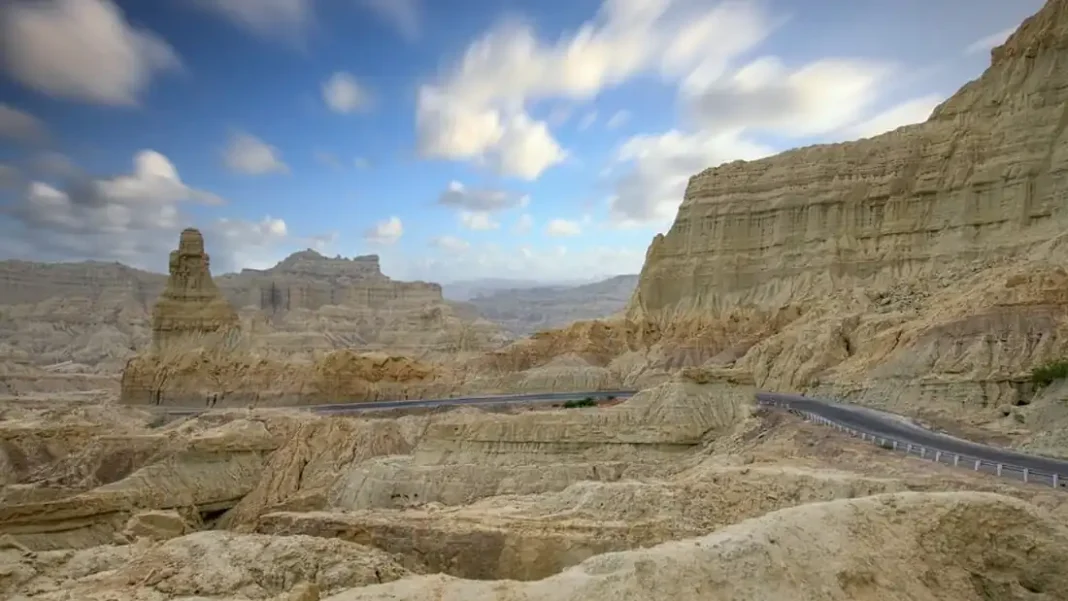
Balochistan: the biggest by land
A province the size of a country. At 347,190 km², Balochistan is larger than the UK — and holds fewer people than Lahore. Its population of ~14.9 million (2023) is scattered across deserts, mountains and a 1,000-km coastline. Quetta, the capital, sits at 1,680m near the Afghan border. The province’s assets: the Gwadar deep-sea port, the Reko Diq copper-gold deposits, Sui’s gas fields (which powered Pakistan’s industry for decades), and coal, chromite and marble reserves.
The paradox of Balochistan — resource-rich, development-poor — drives its politics and its insurgency. Understanding the province means holding both facts: the biggest land, the smallest share of people. More in the largest-province guide.
The province’s history with the federation is contested: four insurgencies since 1948, each rooted in grievances over autonomy and resources. The current phase — combining separatist militancy with disputes over CPEC projects — keeps Balochistan in the national security conversation. Its size makes it strategically vital and administratively difficult in equal measure.
Punjab: the biggest by people
The demographic giant. Punjab’s 127.7 million people exceed the population of all but a dozen countries. The province’s five rivers (Jhelum, Chenab, Ravi, Beas, Sutlej — “Punjab” = land of five waters) irrigate the breadbasket; Lahore is the cultural capital; the province supplies the bulk of the army’s manpower and the National Assembly’s seats.
Punjab’s size gives it political gravity that the smaller provinces resent — the “Punjab vs the rest” dynamic is Pakistan’s oldest federal tension. See the population ranking.
Sindh and Khyber Pakhtunkhwa
The other two. Sindh (140,914 km², ~57.9m people, capital Karachi) is the urban-industrial province — Karachi’s ports and factories make it the economic complement to Punjab’s agriculture. Khyber Pakhtunkhwa (~101,741 km² including merged districts, ~40.9m people, capital Peshawar) is the frontier province, now larger and more populous after the 2018 FATA merger.
Together the four provinces — plus Gilgit-Baltistan, Azad Kashmir and Islamabad — make the federation. The pillar guide compares all four side by side.
Quick facts table
Memorise this. Balochistan: 347,190 km² | ~14.9m | Quetta. Punjab: 205,344 km² | 127.7m | Lahore. Sindh: 140,914 km² | 57.9m | Karachi. KP: ~101,741 km² | 40.9m | Peshawar. Area ranking: Balochistan > Punjab > Sindh > KP. Population ranking: Punjab > Sindh > KP > Balochistan — the exact reverse at the extremes.
For the phrasing traps, see which is the biggest province.
One more memory aid: the area ranking spells B-P-S-K (Balochistan, Punjab, Sindh, KP) and the population ranking spells P-S-K-B — the exact reverse. Learn one, flip it for the other. Two minutes of practice and you will never mix them up again — test yourself tonight.
What is the biggest province of Pakistan?
Balochistan by area (347,190 km²); Punjab by population (127.7 million). Unqualified, ‘biggest’ means Balochistan.
What is the capital of the biggest province?
Quetta — capital of Balochistan, the biggest province by area. (Lahore is the capital of Punjab, the biggest by population.)
How big is Balochistan compared to other provinces?
Balochistan (347,190 km²) is ~1.7x Punjab, ~2.5x Sindh and ~3.4x KP — about 44% of Pakistan’s total area.
.)