Issues in Pakistan: The Problem-by-Problem Briefing
Beyond the headlines, Pakistan wrestles with structural issues that shape daily life: the water running out, the power bill, the hospital queue, the choked city. This is the problem-by-problem briefing.
Quick answer: Pakistan’s key structural issues: water scarcity (per-capita availability collapsing), the energy sector’s circular debt, healthcare underfunding, breakneck urbanisation, and a digital divide that locks millions out of the modern economy.
In this guide
Water: the shrinking lifeline
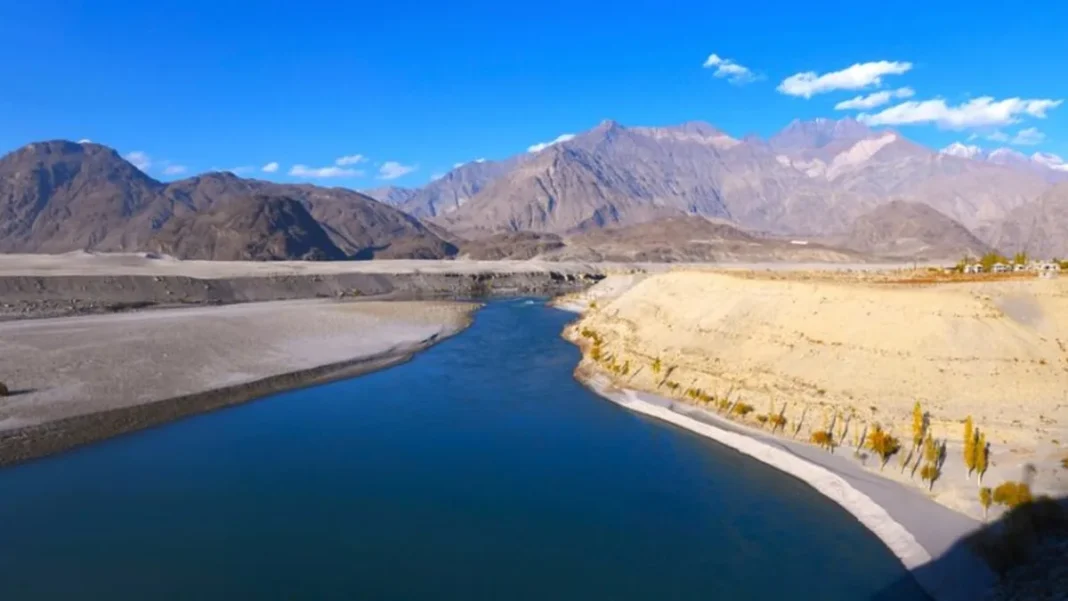
Pakistan is water-stressed and heading toward scarcity. Per-capita availability has fallen from thousands of cubic metres at independence to around 1,000 today — the scarcity threshold. Causes: silted reservoirs (Tarbela and Mangla losing capacity), flood irrigation wasting 60%+ of farm water, and climate change disrupting glacial and monsoon flows. The fixes — Diamer-Bhasha and Mohmand dams, drip irrigation, water pricing — are underway but slow.
Energy: the debt that never clears
Pakistan generates enough electricity in theory; in practice, circular debt — the chain of unpaid bills from consumers to generators — strangles the sector. Theft, line losses and expensive imported-fuel contracts complete the trap. Households pay among the region’s highest tariffs while industry complains it can’t compete. The durable fix is distribution reform (privatisation, smart metering), not more power plants.
Urbanisation without planning
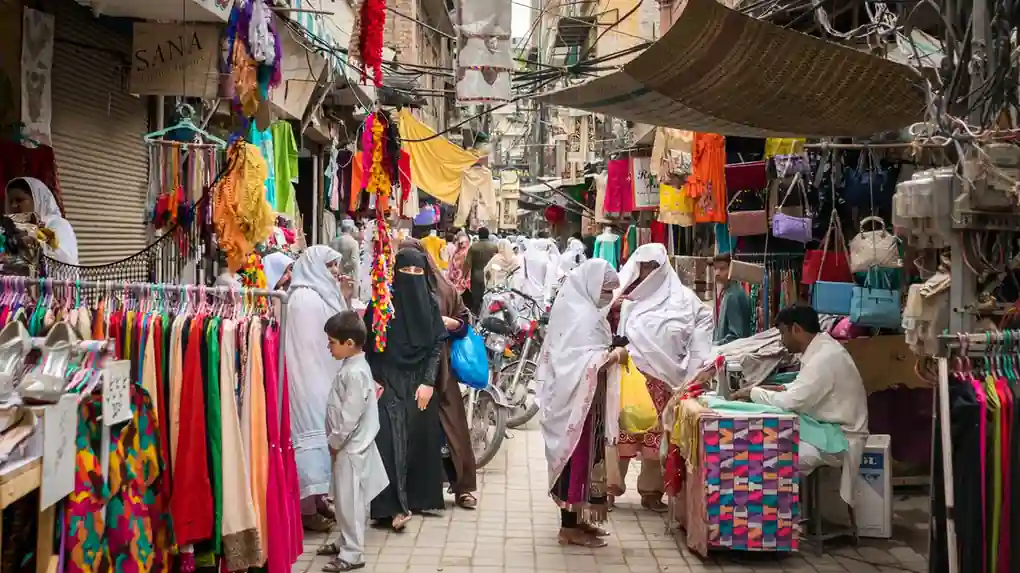
Karachi, Lahore and other cities absorb hundreds of thousands of migrants yearly — into katchi abadis without water, sewerage or transport. Traffic, smog and flooding are the visible symptoms; the disease is governance that never planned for the influx. Planned housing, mass transit (Lahore’s Orange Line, Karachi’s Green Line point the way) and empowered city governments are the prescription.
Education: the quiet emergency
It doesn’t make headlines like a flood, but Pakistan’s education crisis shapes everything downstream. An estimated 26 million children are out of school — the world’s second-highest number — and those in school often learn little: assessments routinely find primary students unable to read a simple sentence.
The causes compound: underfunding (~2% of GDP), teacher absenteeism, ghost schools, and poverty pulling children into work. The fix is equally well-known — double the budget share, stipends that keep girls enrolled, teacher accountability — and equally postponed. Every year of delay writes the next decade’s unemployment figures.
The thread through every issue: governance
Water, energy, education, health — each issue in this guide has technical solutions everyone agrees on. What they share is a governance deficit: the inability to implement what’s known.
The mechanisms are familiar: policy discontinuity (each government restarts), capacity gaps (the bureaucracy’s best people are stretched thinnest), political interference (postings as patronage), and weak local government (no empowered mayor to fix the street). Fix governance and the issue list shortens by itself — which is why devolution is the reformers’ perennial answer.
Frequently asked questions
What is the biggest issue in Pakistan today?
Economists point to the economy; development experts to water and education. The honest answer: they’re one interconnected crisis with several faces.
Is Pakistan running out of water?
Per-capita availability has fallen to near the scarcity threshold (~1,000 cubic metres). Without new storage and irrigation reform, absolute scarcity looms within years, not decades.
How many children are out of school in Pakistan?
An estimated 26 million — among the world’s highest out-of-school populations, concentrated among rural girls.