


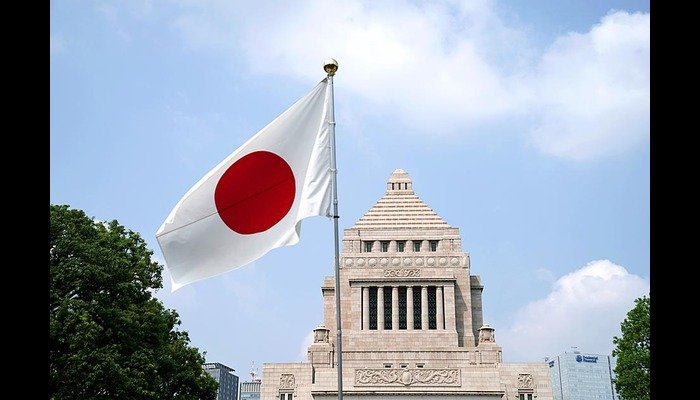
Japan raises permanent-residency fee to ¥200,000 and tightens income, language and pension rules
Japan permanent residency rules have been tightened sharply, with the application fee jumping twentyfold to ¥200,000 from October 1 and new income, pension and language requirements narrowing the path to settlement.
The Immigration Services Agency published the revised guidelines on October 1. Applications received by September 30 keep the previous ¥10,000 fee even if approval comes later.
What the new Japan permanent residency rules require
Applicants must generally show household income consistently above the average for Japanese households of the same size, which stood at 5.75 million yen in 2024.
Authorities will examine expected pension benefits, broadly matching what 30 years of employee pension contributions would yield, and may count financial assets where benefits fall short.
Applicants must also demonstrate Japanese proficiency equivalent to at least B1 level and an understanding of Japanese laws and social norms, while school attendance is assessed for school-age children. Some groups, including highly skilled foreign professionals, their families and people who completed substantial schooling in Japan, may be treated differently.
The full framework applies to applications filed from April 1, 2027. Several other immigration-related fees have also risen: applications to change or renew residence status, previously fixed at 6,000 yen, now cost between 10,000 and 75,000 yen depending on the period requested.
Seven-hour queues before the deadline
The fee increase triggered a rush at immigration offices in late September, with waiting times at Tokyo’s main immigration bureau exceeding seven hours.
Yujie Chono, a 22-year-old US-born university student, told AFP he had waited five hours to file his documents, adding that Japan’s low birth rate and ageing population meant it had to accept newcomers.
Why Japan is tightening the rules
The changes come as Japan’s foreign population hit a record 4.12 million at the end of 2025, up 9.5 per cent in a single year. Prime Minister Sanae Takaichi said some members of the public felt a sense of unease or unfairness, and that the government was working to ensure both Japanese citizens and foreign residents could live safely and securely.
Immigration became a central issue in last year’s upper house election, which saw a surge for the Japanese-first Sanseito party, even as labour shortages leave Japan increasingly reliant on international workers.
What it means for foreign residents
Permanent residency removes work restrictions, ends stay renewals and lets the holder keep their foreign nationality. The standard route needs ten consecutive years in Japan, with faster paths for spouses of Japanese citizens and highly skilled professionals.
For overseas Pakistanis and other foreign residents in Japan, the message is to plan ahead. The old fee is gone for new filings, and from April 2027 the full checklist of income, pension and language requirements will apply. The new guidelines do not force anyone to leave the country, but they narrow the road to permanent settlement.
How much does it now cost to apply for permanent residency in Japan?
The fee is ¥200,000, about $1,270, for applications received from October 1, 2026, up from ¥10,000. Applications filed by September 30 keep the old fee.
What income and language standards must applicants meet?
Household income must generally exceed the average for Japanese households of the same size, while Japanese proficiency of at least B1 level is expected, alongside 30 years’ worth of pension contributions or equivalent financial assets.
When do the new rules take effect?
The fee increase applies from October 1, 2026. The complete guideline framework, including language and pension assessments, applies to applications filed from April 1, 2027.
Who is exempt from the language requirement?
Some highly skilled foreign professionals, their family members and people who received substantial primary or secondary education in Japan may be treated differently under the guidelines.