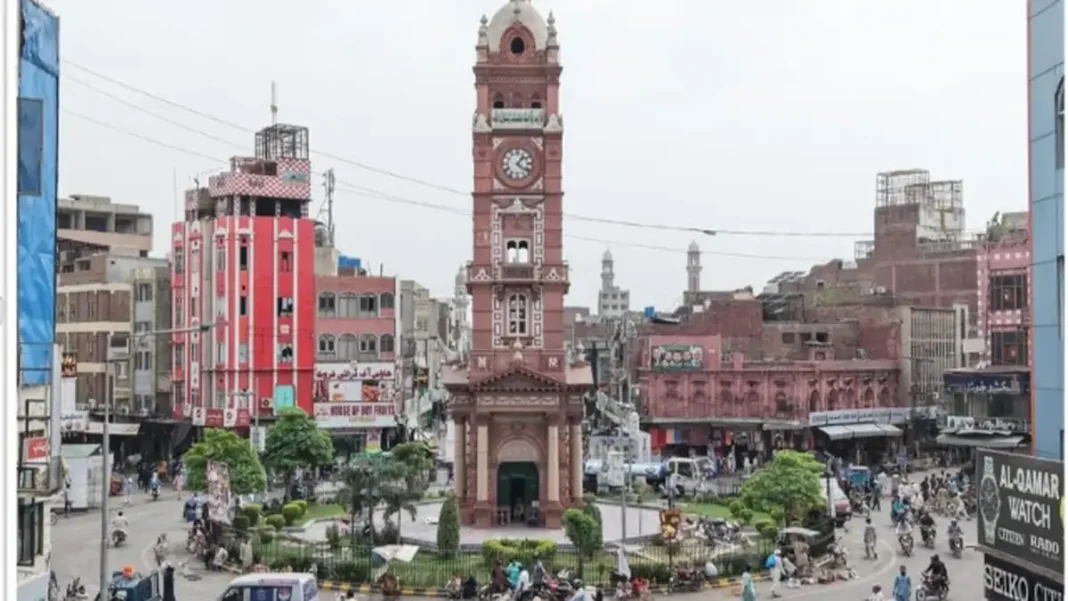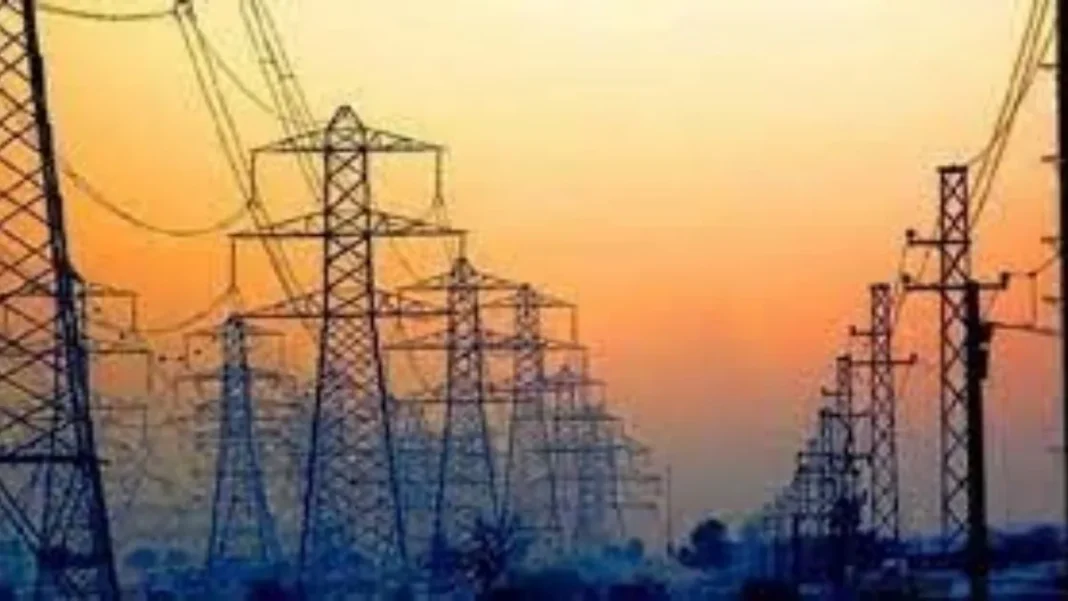
Power outages are spiking across Lahore during nighttime hours, even as the daytime electricity shortfall eases because thousands of rooftop solar systems take load off the national grid.
The Lahore power outages follow a clear day-night split: when the sun is up, private solar generation keeps demand manageable, but after sunset, the grid is left to carry the full load and the shortfall bites hard.
The Lahore power outages leave a 1,500MW gap
In the Lahore Electric Supply Company region, demand has climbed to around 4,000 megawatts against supply of roughly 3,000MW, leaving a gap of 1,000 to 1,500MW. In some areas, consumers are facing one hour without power after every hour of supply.
Nationally, the shortfall crossed 4,000MW on October 5-6, according to National Transmission and Despatch Company sources, with some engineers putting it above 4,500MW. Cities and villages are enduring three to four hours of load shedding daily.
Several generation units have gone offline while hydropower output has declined. A shortage of diesel, following an earlier gas crunch, has further squeezed generation. Usman Farooq of the Young Engineers Council said plants that exited the system are expected to return by October 16, but warned of severe load shedding in the coming days if fuel shortages persist.
Solar by day, darkness by night
The nighttime spike carries an irony: Pakistan’s rooftop solar boom is working, just not after dark. Net-metered solar capacity has grown from 321MW in 2021 to 6.1GW by June 2025, and that private generation now visibly softens daytime demand. But solar drops to zero in the evening, exactly when household demand surges.
The government has been encouraging solar adoption, and NEPRA recently announced relief measures for solar users. For consumers, the equation is becoming stark: those with panels and batteries ride through the night, while those without face the cuts.
NEPRA cracks down on K-Electric
Separately, the National Electric Power Regulatory Authority has ruled that K-Electric’s practice of imposing load shedding on feeders based on aggregate technical and commercial losses is illegal, ordering it stopped immediately. NEPRA stressed that consumers who pay their bills on time must not be penalised for theft or losses elsewhere on their feeder.
The ruling matters for Lahore too, where residents have long complained that entire neighbourhoods are punished for a minority of defaulters.
What it means for your bill
Outages are only half the story. Electricity bills may rise in October 2026, and prices could climb again as the power sector’s financial pressures mount. September’s bills already left many households reeling, as breakdowns of the charges showed.
What happens next
If offline plants return by mid-October as engineers expect, the shortfall should narrow. But with diesel scarce and hydropower seasonally low, Lahore’s nights are likely to stay dark for now. For now, consumers in the worst-hit areas should expect the one-hour-on, one-hour-off pattern to continue until generation recovers. The longer-term fix, officials admit, is more generation and less dependence on expensive imported fuels.
Dawn reported the nighttime spike on Saturday. Read detailed shortfall data on Pakera.