Lahore Orders Dashcams and Panic Buttons in Ride-Hailing Cars
Lahore’s traffic police have directed ride-hailing companies to install dashcams, tracking devices, and QR-based panic buttons in their vehicles under new Lahore ride-hailing rules aimed at improving passenger safety.
The directives were issued by Chief Traffic Officer (CTO) Lahore Abdul Raheem Shirazi. He said drivers with serious criminal records would not be allowed to operate online cabs.
The traffic police have decided to take action against online cab services that fail to adopt the required safety features.
What the Lahore ride-hailing rules require
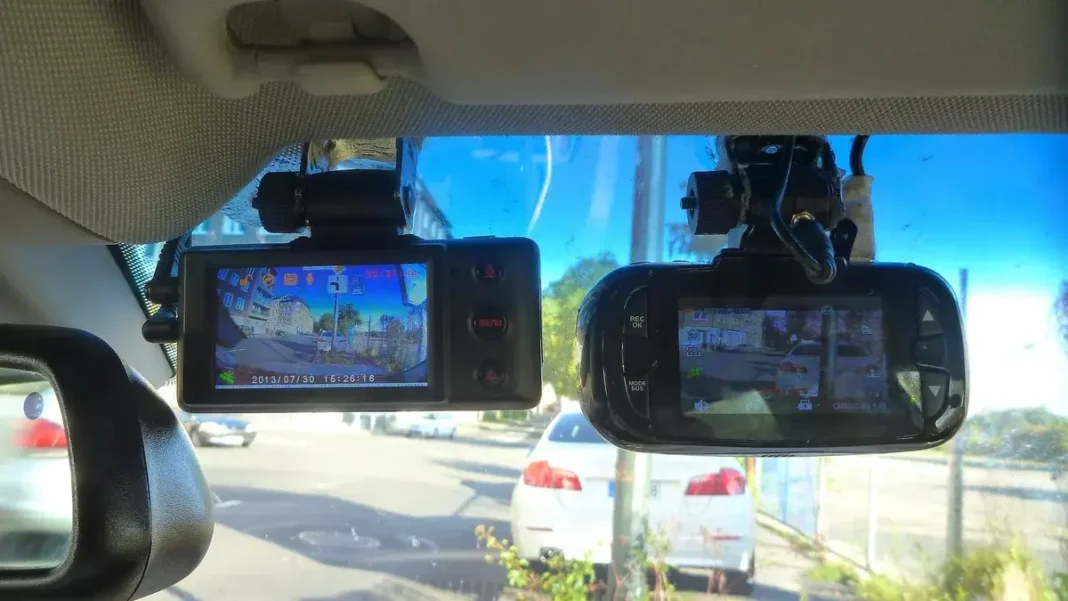
Ride-hailing firms must now fit three safety features in their vehicles: dashboard cameras, tracking devices, and QR-based panic buttons.
Dashcams record the road ahead and the inside of the vehicle, giving police video evidence if a crime is reported or an accident takes place. Tracking devices let the company follow each trip in real time, so it can see where a vehicle is and whether it follows the booked route.
QR-based panic buttons give passengers a quick way to raise an alarm. A passenger scans the code with their phone, which sends an alert to the company and, where the system is linked, to the police.
The CTO said modern camera systems would help prevent crime and assist in investigations into road accidents, while advanced tracking systems would improve the monitoring of passengers and drivers. He added that modern technology would help provide safer and better travel facilities.
Drivers with criminal records to be barred
The order also covers who can drive. Shirazi said drivers with serious criminal records would not be allowed to operate online cabs in Lahore.
Ride-hailing firms will need to check the background of their drivers and remove anyone who fails the test. The police did not say how the checks would be carried out, or how often drivers would be re-screened.
The step matters because ride-hailing drivers work alone with passengers, often late at night, and passengers have little way to check a driver’s background before a trip. A formal screening rule puts the duty on the companies, rather than leaving passengers to take the risk themselves.
Part of a wider road safety push in Lahore
The order fits into a series of road safety measures Lahore has taken this year. After a trailer crash in Garhi Shahu killed three people, the city ordered fresh medical tests for existing commercial licence holders and cancelled 170 licences, as Feature Pakistan reported earlier.
Rawalpindi’s traffic police have impounded smoke-emitting vehicles in an anti-smog crackdown, as Feature Pakistan reported earlier, while Punjab is rolling out 100,000 electric bikes from November 5, as Feature Pakistan reported earlier.
Public transport has faced disruption too. The Islamabad metro bus service was partly suspended this month, as Feature Pakistan reported earlier, which pushed more commuters towards ride-hailing and private cars.
Taken together, the measures show a traffic system under strain from rapid growth in vehicles and trips. Lahore’s roads carry a mix of cars, bikes, rickshaws, buses, and trucks, and the city has some of the busiest traffic in the country. Safety rules for ride-hailing are one part of bringing order to that mix.
What passengers should do
Until the new features are in place, passengers can take simple steps on every trip. Check that the car’s number plate and the driver’s photo match the booking before getting in. Share the trip with a family member through the app. Sit in the back seat, keep the phone charged, and note the trip details.
If a driver behaves badly or the route looks wrong, end the trip and report it through the app. Serious incidents should be reported to the police as well, so the complaint is on record beyond the company’s own system.
The new rules will only work if they are enforced. The test now is whether the traffic police follow through with action against companies that miss the requirements, and whether passengers see the cameras and panic buttons in the cars they actually ride in.
Frequently asked questions
What has Lahore ordered ride-hailing firms to install?
Dashcams, tracking devices, and QR-based panic buttons in their vehicles, as part of a passenger safety push ordered by CTO Lahore Abdul Raheem Shirazi.
Who issued the order?
Chief Traffic Officer Lahore Abdul Raheem Shirazi. He said drivers with serious criminal records would not be allowed to operate online cabs.
What happens to companies that do not comply?
The traffic police have decided to take action against online cab services that fail to adopt the required safety features. No specific penalties or deadline were given in the announcement.
How do QR panic buttons help passengers?
A passenger scans the code with their phone to raise an alarm, which alerts the ride-hailing company and, where the system is linked, the police.
Is there a deadline for the new safety features?
No deadline was given in the announcement. The traffic police said they would take action against companies that fail to adopt the required safety features, but did not say when the features must be in place.