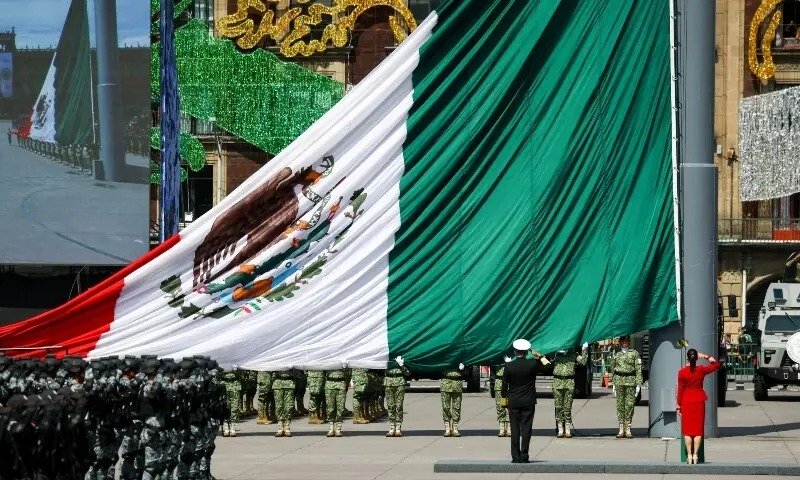
Mexico's dual-nationality ban for presidents advances as states ratify
Mexico’s dual-nationality ban for presidents advances as states ratify
The Mexico dual nationality ban moved closer to taking effect this week as state legislatures began ratifying the constitutional reform that would bar dual nationals from the country’s presidency and governorships.
Tabasco approved the reform 26-6, Mexico City 44-15, and Oaxaca and Baja California also voted in favour. At least 17 of Mexico’s 32 state legislatures must ratify the change before it becomes part of the Constitution.
Mexico dual nationality ban: what the reform requires
The reform to Articles 82, 116 and 122 of the Constitution requires anyone aspiring to the presidency, a governorship or the head of government of Mexico City to be a Mexican citizen by birth, hold no other nationality, and renounce any foreign citizenship before registering as a candidate.
The prohibition also covers using a foreign passport and seeking diplomatic protection from another state. It would take effect starting with the 2028 electoral process and would not affect those currently holding office.
President Claudia Sheinbaum, who proposed the reform, celebrated the votes and said it enters into force in the 2028 cycle, urging party leaders to clarify who is affected.
Votes split along party lines
The Senate approved the reform 86 to 42 on September 29, with Morena, the Labour Party and the Greens’ allies voting in favour and the PAN, PRI and Citizens’ Movement against. The Chamber of Deputies had earlier approved it 344 to 116 after an 11-hour debate.
Some Morena legislators holding dual nationality were absent from the Senate session. Jazmin Bugarin, a Morena figure and potential candidate for governor of Nayarit, confirmed she would renounce her US citizenship.
Critics warn of discrimination
Critics say the move erects hurdles for dual-national politicians and discriminates against migrants. The opposition argued it restricts rights, while the American Society of Mexico called the reform a “grave mistake” and warned it could affect around 15 million Mexicans. About four million Mexicans living abroad hold or could hold dual citizenship.
Morena’s parliamentary leader Ricardo Morena defended the change as a step to prevent undue interference and strengthen national sovereignty.
FAQs
What does Mexico’s dual-nationality reform change?
It requires presidential, gubernatorial and Mexico City government-head candidates to hold only Mexican nationality and renounce any other citizenship before registering.
When does it take effect?
Starting with the 2028 electoral process, under a transitional provision. It does not apply to those currently in office.
Why is it controversial?
Critics say it discriminates against migrants and dual nationals and could hamper political succession. Supporters frame it as a sovereignty measure to prevent foreign interference.
What happens next?
The reform needs ratification by at least 17 of the 32 state legislatures. Tabasco, Mexico City, Oaxaca and Baja California have already approved it.