

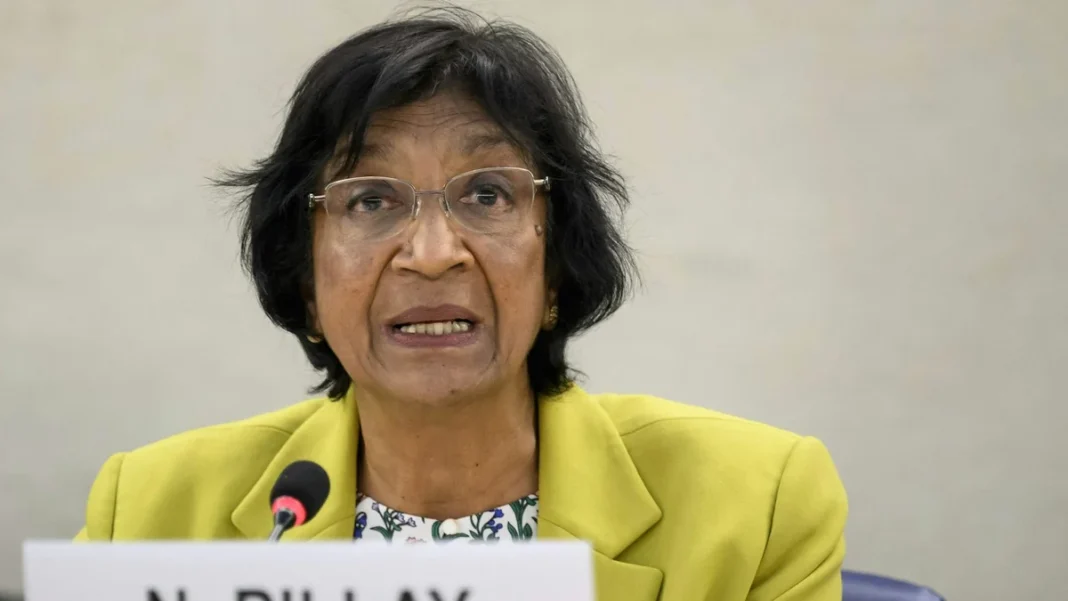
2026 Nobel Peace Prize winner Navi Pillay has condemned the United States over its new sanctions on the International Criminal Court, making the Navi Pillay ICC sanctions dispute her first major statement since Friday’s award. Speaking on Saturday via video link from Nuremberg at a Nobel Peace Center event in Oslo, the 85-year-old South African jurist called the move “unheard of, unacceptable”.
Pillay, a former ICC judge and UN human rights chief from 2008 to 2014, warned the court’s independence was under direct attack. She said hundreds of ICC staff “feel they are under threat” as a result of Washington’s action, according to AFP reporting carried by Dawn World.
Judges punished for their rulings
Pillay’s core charge was that Washington had crossed a line no government had crossed before. She said sanctions had been announced by one country against judges “just for the judicial orders they issue”, adding: “This is unheard of, unacceptable.”
She also voiced anxiety over the continued existence of international courts, above all the ICC in The Hague. The Norwegian Nobel Committee had named her the 2026 Nobel Peace Prize laureate on Friday for her efforts to promote peace and international law.
Navi Pillay ICC sanctions: how the row erupted
The US move landed within hours of Friday’s announcement. Secretary of State Marco Rubio said Washington would ban transactions with what he called a “rogue court”, cutting off its resources and crippling its ability to operate. Rubio has pledged to dismantle the tribunal, and the administration argues the court threatens American sovereignty.
The timing sharpened the political edge: both the United States and Israel condemned the award, with Donald Trump calling the pick “disgraceful” and repeating his view that he deserved the prize himself. The court’s 2024 arrest warrants for Israeli Prime Minister Benjamin Netanyahu and former defence minister Yoav Gallant sit at the centre of the dispute. Neither the US nor Israel is a party to the Rome Statute that created the court, which counts 125 member states.
The court and its backers push back
The ICC rejected the sanctions as an attack on international law and warned in a statement that “history will judge this moment”. Its deputy prosecutor, Nazhat Shameem Khan, told Reuters the sanctions “must be condemned”, insisting the court’s work would continue across all its investigations and prosecutions.
The foreign ministers of Canada, Denmark, France, Germany, Italy, Japan, the Netherlands and the United Kingdom jointly reaffirmed their “continued and unwavering support” for the court, saying they “regret and strongly disagree” with the American move.
The standoff is not new, but its scale is. Earlier American action targeted individual ICC officials, including prosecutors and judges involved in the Afghanistan and Palestine investigations. Friday’s move went further by threatening the court as an institution, potentially punishing companies and banks that provide it with services. Pillay has spent decades at the centre of these questions: beyond the ICC, she headed the UN Independent International Commission of Inquiry, which concluded that genocide was occurring in Gaza, a finding Israel rejects.
Why it matters
The laureate’s answer carries unusual weight: few have served at both the ICC and the UN’s top human rights post, and the Nobel committee chose her as a symbol of international law under pressure. Pakistan, too, has been pressing multilateral forums to hold their ground; Islamabad recently took the Houthi attacks case to the UN Security Council.
Whether the sanctions deter the court’s work or harden international backing will shape its docket for years; the caseload, which recently included unsealed arrest warrants over Taliban gender persecution, depends on state cooperation that US financial pressure could erode.
Frequently asked questions
Who is Navi Pillay?
An 85-year-old South African jurist, a former ICC judge and the UN human rights chief from 2008 to 2014, named the 2026 Nobel Peace Prize laureate on October 9, 2026.
Why did the US sanction the International Criminal Court?
Hours after Pillay was named laureate on October 9, the US announced new sanctions. Secretary of State Marco Rubio said Washington would ban transactions with what he called a “rogue court”, escalating a long-running campaign over the court’s arrest warrants for Israeli leaders and past scrutiny of US forces in Afghanistan.
What has the ICC said in response?
It called the sanctions an attack on international law, warning “history will judge this moment”; deputy prosecutor Nazhat Shameem Khan said they “must be condemned” and vowed work would continue.
Have other countries reacted?
Yes. The foreign ministers of Canada, Denmark, Germany, France, Italy, Japan, the Netherlands and the United Kingdom reaffirmed their “continued and unwavering support” for the court, saying they “regret and strongly disagree” with the US move.