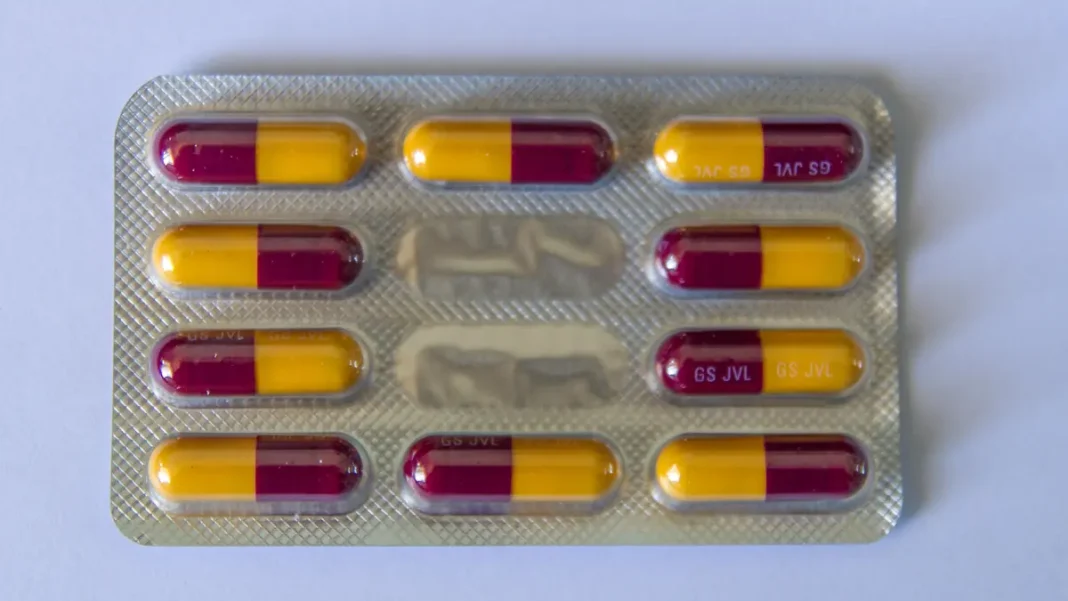
Antibiotic Misuse Deaths in Pakistan Top 200,000 a Year
Antibiotic misuse deaths in Pakistan top 200,000 a year, health experts warned as the country marked World Antimicrobial Resistance Awareness Week.
The National Institute of Health (NIH) and the World Health Organisation (WHO) launched the awareness week in Islamabad, calling on families and officials to stop the misuse of antibiotics. Antibiotic misuse deaths in Pakistan now include nearly 40,000 deaths directly caused by drug resistance and more than 160,000 deaths linked to resistant infections.
Without urgent action, the toll could rise sharply. Health officials warned that resistance could cause 63,000 direct deaths and 262,000 associated deaths a year in Pakistan by 2050.
Antibiotic misuse deaths in Pakistan: the figures
Antimicrobial resistance, known as AMR, happens when bacteria, viruses, fungi and parasites stop responding to medicines. Infections then become hard or impossible to treat, and common illnesses can turn life-threatening.
Experts describe AMR as a silent pandemic undoing decades of medical progress, driven by the overuse and misuse of antibiotics in health care, farming and veterinary practice.
Poor infection control, limited access to quality diagnosis and treatment, weak health systems, and pollution from wastewater and waste also help resistant germs emerge and spread.
The awareness week runs from November 18 to 24 under the theme “One Health, one action: Prevent AMR now”, launched with the UK Health Security Agency, the Food and Agriculture Organisation, students and civil society groups.
The slogan of the awareness walk carried a plain message for families: “If we misuse or overuse antibiotics today, they won’t protect us tomorrow.”
What is driving resistance
NIH Chief Executive Officer Dr Muhammad Salman said tackling resistance needed a One Health approach, which treats human, animal and environmental health as one connected system.
He named irrational prescribing, antibiotics sold over the counter without a prescription, poor infection control, and the misuse of antimicrobials in farming and livestock as the drivers.
WHO Representative in Pakistan Dr Luo Dapeng said the deaths were preventable. “As we speak, before I finish my five-minute remarks, two people will have died due to antimicrobial resistance or associated reasons in Pakistan,” he said. “These deaths are preventable, and WHO stands with Pakistan, the NIH and partners to protect and save lives.”
Dr Luo added that everyone could help by using antibiotics only when they were really needed. “The science is clear, the misuse and overuse of antibiotics pose a major public health threat, but the good news is that we can all do our part to preserve a healthier future for every family,” he said.
Dr Zeeshan Iqbal Baig, National Lead at the UK Health Security Agency, called AMR one of the most pressing public health threats of our time, driving treatment failures, deaths and rising health care costs.
Dr Pawin Padungtod, One Health Team Lead at the FAO in Pakistan, said the turnout at the awareness walk showed a shared commitment to tackle AMR through joint action.
The problem is not limited to Pakistan: in 2021, bacterial resistance was linked to more than 4.7 million deaths worldwide.
Pakistan has a National Action Plan on AMR covering 2024 to 2029, and work is already under way on antibiotic alternatives for chicken feed.
Fake and poor-quality medicines add to the risk: Karachi recently saw 15 medicines declared substandard or counterfeit, and a Sindh laboratory has been testing medicines seized in Karachi.
Families can cut the risk by finishing prescribed courses, never sharing antibiotics, and not buying them without a doctor’s advice. Parents should also know how to handle colds in babies and toddlers and chest infections in children without reaching for antibiotics on their own.
Frequently asked questions
How many people die from antibiotic resistance in Pakistan each year?
More than 200,000 deaths a year are linked to antimicrobial resistance, including nearly 40,000 directly caused by it and more than 160,000 associated deaths.
What is antimicrobial resistance?
It happens when bacteria, viruses, fungi and parasites stop responding to medicines, so infections become difficult or impossible to treat.
What causes antibiotic resistance?
The main drivers are the overuse and misuse of antibiotics in health care, farming and veterinary practice, over-the-counter sales without prescriptions, and poor infection control.
What could happen by 2050 if nothing changes?
Without urgent measures, resistance could cause 63,000 direct deaths and 262,000 associated deaths a year in Pakistan by 2050.
What can families do to help?
Use antibiotics only when a doctor prescribes them, finish the full course, never share them with others, and do not buy them over the counter for self-treatment.