Pakistan Culture and Tradition: The Customs That Mark a Pakistani Life
Traditions are culture in motion — the things Pakistanis actually do. The dholki before a wedding, the Eid embrace after prayers, the insistence that a guest eat more: these rituals carry the culture from one generation to the next. This guide covers the traditions that define the Pakistani year, from birth to wedding to Eid.
Quick answer: Pakistan’s key traditions include multi-day weddings (dholki, mehndi, barat, walima), Eid ul-Fitr and Eid ul-Adha celebrations, legendary hospitality to guests, communal food culture, respect rituals for elders, and regional festivals like Basant and Urs.
In this guide
Weddings: the grandest tradition
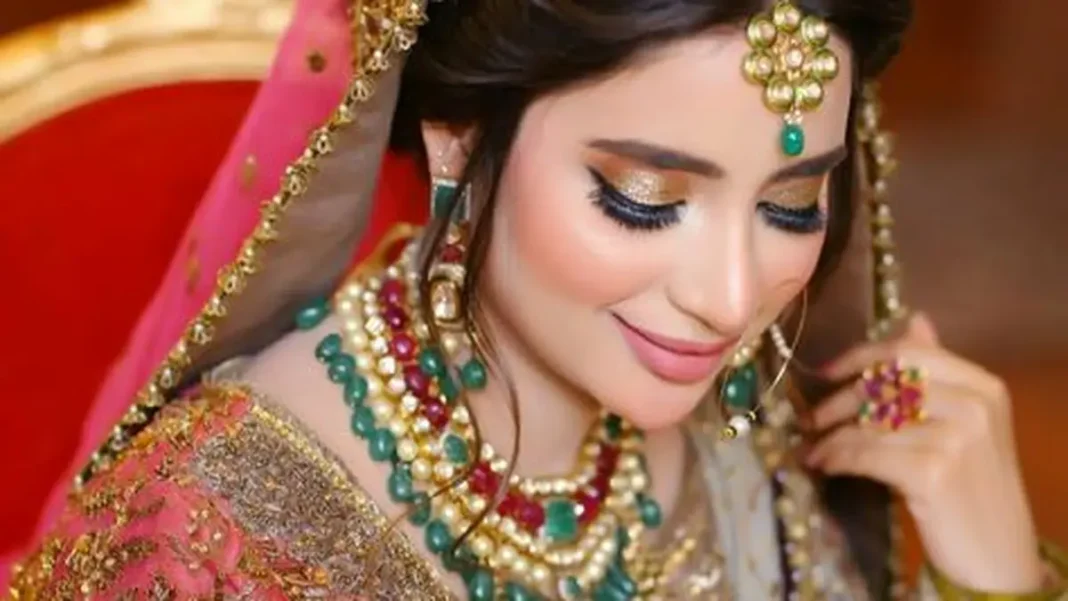
A Pakistani wedding is not a day but a season. Dholki — weeks of singing at the bride’s home. Mehndi — henna, music, dancing, yellow and green everywhere. Barat — the groom’s procession and the nikah (marriage contract) witnessed and registered. Walima — the groom’s feast. Regional flavours differ: Punjabi weddings thunder with dhol, Pashtun weddings centre on the attan dance, Sindhi weddings feature folk singers. The constants: hundreds of guests, lavish food, and family honour on display.
Eid traditions
Eid ul-Fitr ends Ramadan: new clothes (often shalwar kameez bought specially), Eid prayers in open grounds, eidi cash for children, and sheer khurma on every table. Eid ul-Adha brings qurbani — the sacrifice, its meat divided into thirds (family, relatives, poor) — and the year’s biggest family gatherings. Both Eids share the ritual round of visits: no elder’s house goes unvisited, no guest leaves unfed.
Hospitality: the tradition that rules them all
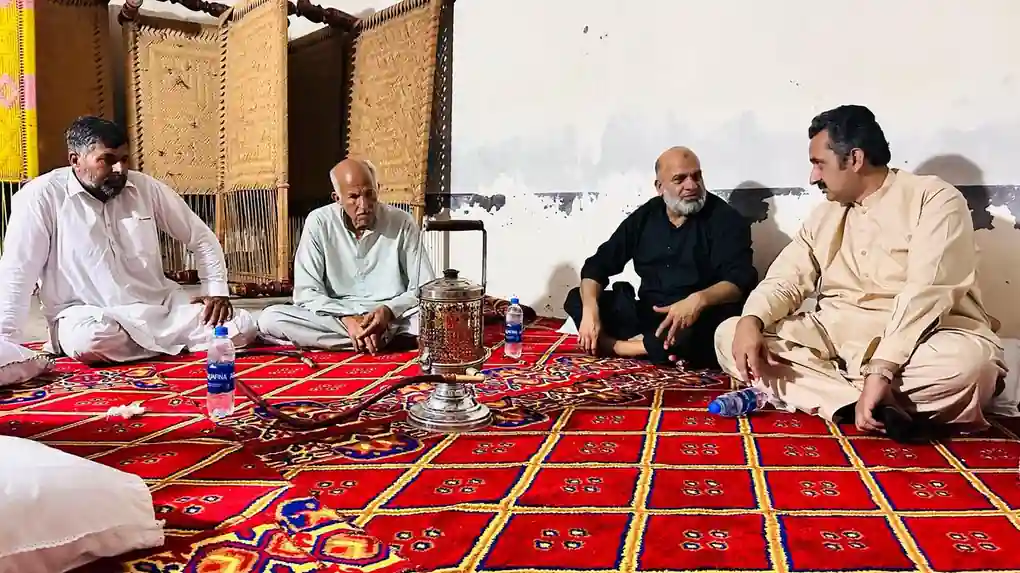
If Pakistan has one master tradition, it is mehman nawazi. A guest — invited or unexpected, known or stranger — is served the best available food, often slaughtering a chicken or ordering out beyond the household’s normal means. Refusing is difficult; the host insists, the guest demurs, the host insists again. This is not performance but moral code, rooted in Islamic teaching and tribal honour alike, and it applies from Karachi apartments to Hunza guesthouses.
The traditional year
| Occasion | When | Tradition | |
|---|---|---|---|
| Eid ul-Fitr | After Ramadan (lunar) | New clothes, Eid prayers, eidi, feasts | |
| Eid ul-Adha | Lunar calendar | Qurbani sacrifice, meat distribution, family gatherings | |
| Basant | Spring (Punjab) | Kite flying, yellow dress, rooftop parties | |
| Urs festivals | Year-round | Sufi shrine gatherings, qawwali, free food (langar) | |
| Shandur Polo | July | Polo at the world’s highest ground, folk music, dance | |
| Independence Day | 14 August | Flag hoisting, green-and-white everything, fireworks | |
| Wedding season | Winter | December–February: the peak marriage months |
Frequently asked questions
What are the main traditions of Pakistan?
Multi-day weddings, Eid celebrations, hospitality to guests, communal dining, respect rituals for elders, and regional festivals like Basant, Urs and Shandur Polo.
How many days does a Pakistani wedding last?
Typically 3–5 days of main events (dholki/mehndi, barat/nikah, walima), with dholki singing sometimes running for weeks beforehand.
What is eidi?
Cash gifts given to children (and younger relatives) on Eid ul-Fitr and Eid ul-Adha — one of the most beloved Eid traditions for Pakistani children.
What is Pakistan’s most famous tradition?
Mehman nawazi — hospitality to guests — is the tradition Pakistanis cite with most pride, practised from Hunza to Karachi as a point of honour.
How are Pakistani weddings celebrated?
Over several days: dholki (music nights), mehndi (henna), baraat (the groom’s procession) and walima (reception) — among the world’s most elaborate wedding traditions.