Dar Reviews Pakistan GSP+ Status Ahead of EU Milestones
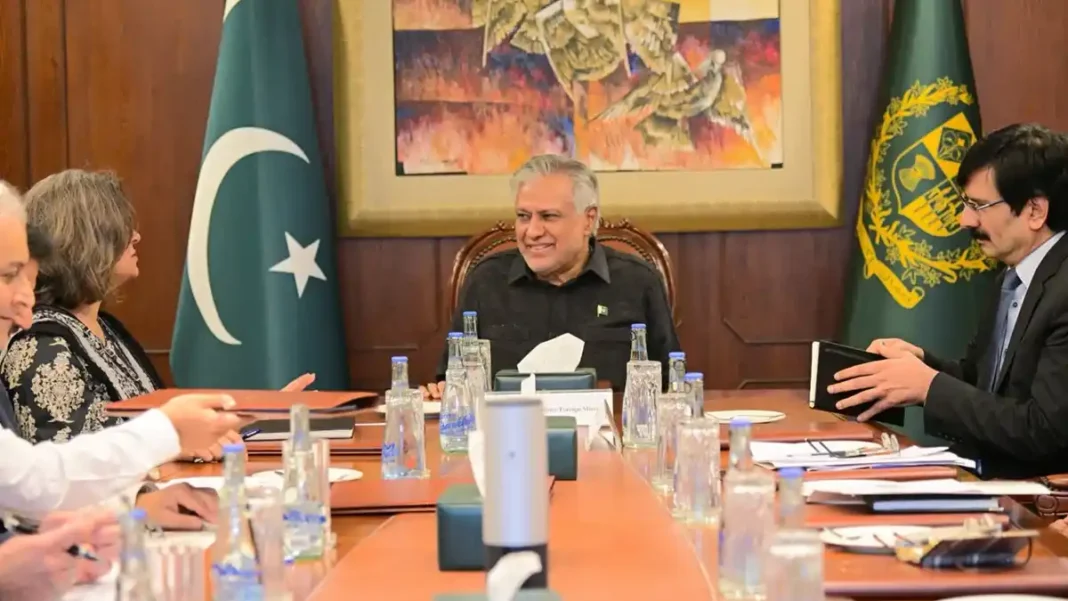
Deputy Prime Minister and Foreign Minister Ishaq Dar chaired a review of Pakistan GSP+ status with the European Union on Saturday, pressing ministries to meet compliance deadlines ahead of key review milestones.
Dar directed officials to ensure timely compliance, close coordination between ministries and active engagement with the EU, the Ministry of Foreign Affairs said. The meeting reviewed progress on the conventions Pakistan must follow, plus institutional follow-up and outreach.
Secretaries of Foreign Affairs, Commerce and Information and Broadcasting attended, along with Pakistan’s ambassador to Belgium and the EU.
The EU takes 28 per cent of Pakistan’s exports, and GSP+ tariff relief is worth hundreds of millions of euros a year.
Why Pakistan GSP+ status matters
GSP+ is the EU’s Special Incentive Arrangement for Sustainable Development and Good Governance. It gives developing countries reduced or zero tariffs in exchange for progress on human rights, labour standards, the environment and good governance.
Pakistan has held GSP+ status since 2014 and is the largest beneficiary. In 2024, its GSP+ eligible exports to the EU reached 7.5 billion euros, mostly textiles and clothing, according to the European Commission. Exporters saved an estimated 732 million euros in tariffs and used 95.1 per cent of the preferences open to them, up from 87.9 per cent in 2023.
Textiles and clothing make up roughly 70 to 76 per cent of Pakistan’s exports to the EU. Total EU imports from Pakistan stood at 8.3 billion euros in 2024, below the 2022 peak of 9.4 billion euros.
The stakes were clear in our earlier report on five new GSP+ conditions for Pakistan.
The compliance test ahead
The meeting also faced the EU’s concerns. In its July assessment, the European Commission raised grave concerns about human rights in Pakistan, citing free expression and media, extrajudicial killings and peaceful assembly, and urged Pakistan to amend laws including the Pakistan Electronic Crimes Act.
For the revised GSP rules from 2027, the EU set priorities including accountability for rights violations, action against torture, prison and capital punishment reform, and reversing trends on enforced disappearances.
The EU also asked Pakistan to address violence against women, keep children in education, end child marriage and child labour, enforce laws against forced labour and strengthen anti-corruption bodies.
That long list explains why Dar brought so many ministries into one room. Compliance runs through home affairs, law, human rights, labour and provincial governments, and each must show progress before the next review.
The regional security call
The GSP+ review followed Dar’s interview with Euronews, in which he called for a new regional security framework for lasting peace in the Middle East, saying bloc politics and unilateral actions were not solutions to global challenges.
“Regional peace across the Middle East should now be established through a special mechanism, as we all have to see the new security architecture and the consequences on the global economy beyond the Gulf region,” Dar said in the interview.
He added that dialogue was the only way forward to resolve tensions between the United States and Iran. Our full report on Dar’s Euronews interview covers his remarks on multilateralism, and the Tribune’s report on the interview and the GSP+ review carries the full account.
The two tracks fit together: Pakistan is pressing for calm in a region where its trade routes and energy supplies face risk from conflict, while at home it must show the EU its commitments are being met. Dar has led both tracks, and he deepened cooperation with the UK earlier this month.
What happens next
The meeting reviewed progress on the 27 core conventions and the diplomatic outreach strategy for the months ahead. Ministries must now report on compliance gaps and prepare for the review milestones Dar pointed to.
Pakistan’s remittances reached 14.8 billion dollars even as the trade deficit widened, so keeping GSP+ access protects export earnings from Europe.
Frequently asked questions
What is GSP+?
GSP+ is the EU’s Special Incentive Arrangement for Sustainable Development and Good Governance. It cuts or removes import tariffs for countries that progress on 27 international conventions on human rights, labour, the environment and good governance.
How much does Pakistan gain from GSP+?
GSP+ eligible exports to the EU were worth 7.5 billion euros in 2024, mostly textiles and clothing, and exporters saved an estimated 732 million euros in tariffs.
What did Ishaq Dar direct at the review meeting?
Dar chaired an inter-ministerial meeting on Saturday and directed officials to ensure timely compliance and coordination with the EU.
What concerns has the EU raised about Pakistan?
The EU raised grave concerns about free expression, extrajudicial killings and peaceful assembly, and urged Pakistan to amend laws including the Pakistan Electronic Crimes Act. It also set priorities on torture, prison reform and enforced disappearances.
When do the revised GSP rules take effect?
The revised EU GSP framework applies from 1 January 2027 under Regulation (EU) 2026/1395, replacing the old GSP regulation. Pakistan will need to apply for the new scheme to keep its GSP+ preferences.