Pakistan-IMF auto policy talks stall as lender objects to draft provisions
Pakistan-IMF auto policy talks stall as lender objects to draft provisions
The Pakistan IMF auto policy talks have ended without agreement. Pakistan’s discussions with the International Monetary Fund on its new Auto Policy 2026-31 closed after the lender raised objections to several provisions of the draft, according to people familiar with the matter.
The Ministry of Industries and Production had submitted the final draft to the IMF, the people said. The government plans to brief the Economic Coordination Committee and the federal cabinet on the Fund’s concerns before revising the policy.
What happens next in the Pakistan IMF auto policy talks
A fresh draft will be finalised after consultations with local automakers, importers and the IMF, sources told ProPakistani. The government had also briefed the IMF on measures aimed at making vehicles more affordable.
The new Auto Policy 2026-31 is being discussed as part of Pakistan’s broader engagement with the IMF and remains subject to further consultations and approvals.
What the draft proposes
According to the draft, a key objective of the new policy is to reduce vehicle prices. It proposes reducing customs duties on conventional vehicles by up to 80 per cent over the next five years, while taxes would also be reduced gradually from 2026 under the National Tariff Policy.
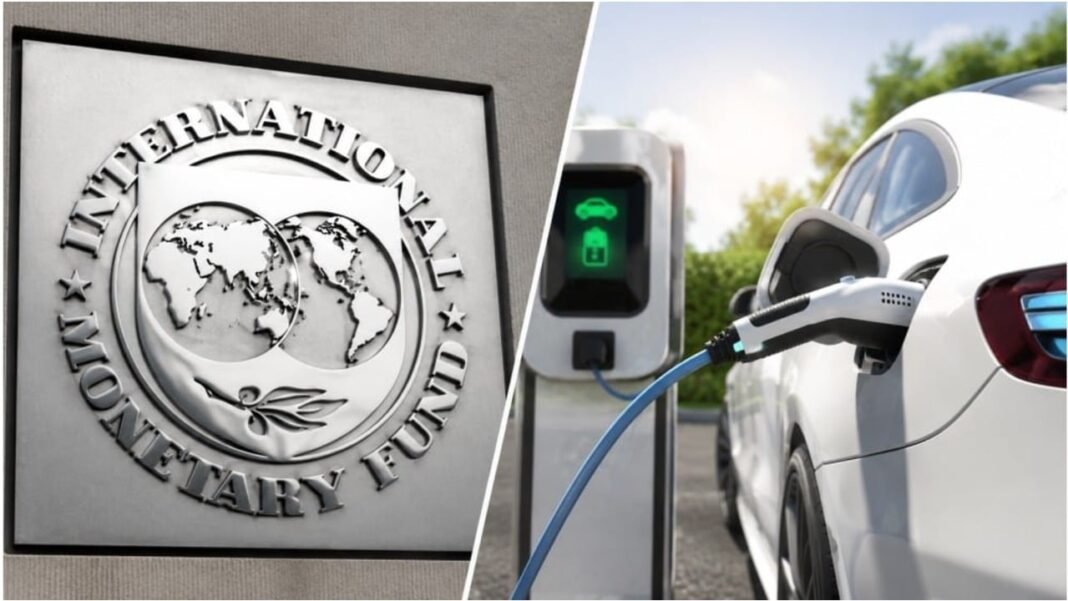
The proposed policy also gives equal treatment to battery electric vehicles, plug-in hybrid electric vehicles and range-extended electric vehicles. It includes special incentives and tax reductions for electric vehicles.
Why the IMF is scrutinising the auto policy
Auto policy sits at the intersection of several IMF concerns. Customs duties on vehicles are a significant source of government revenue, so any cut directly affects the fiscal math the Fund monitors. The lender has also pushed Pakistan to open its market to used-car imports and to reduce protection for local assemblers, positions that domestic manufacturers have resisted.
Electric vehicles add another layer. Pakistan wants to grow EV adoption to cut its fuel import bill, but subsidies and tax breaks for EVs cost the exchequer money at a time when the Fund is demanding tighter revenue collection. Reconciling cheaper cars, EV incentives and fiscal discipline is the central tension the negotiators must resolve.
FAQs
Why did the Pakistan IMF auto policy talks stall?
The IMF raised objections to several provisions of the draft Auto Policy 2026-31, according to people familiar with the matter.
What does the draft auto policy propose?
It aims to cut vehicle prices by reducing customs duties on conventional vehicles by up to 80 per cent over five years, with gradual tax cuts from 2026 and incentives for electric vehicles.
What happens now?
The government will brief the ECC and federal cabinet on the IMF’s concerns, then consult local automakers, importers and the IMF on a revised draft.