Pakistan Total Districts: The Full 2026 Breakdown
The total keeps moving — but here is the most current verified breakdown of Pakistan’s districts, province by province, with the history of how the count grew from 40 to 173.
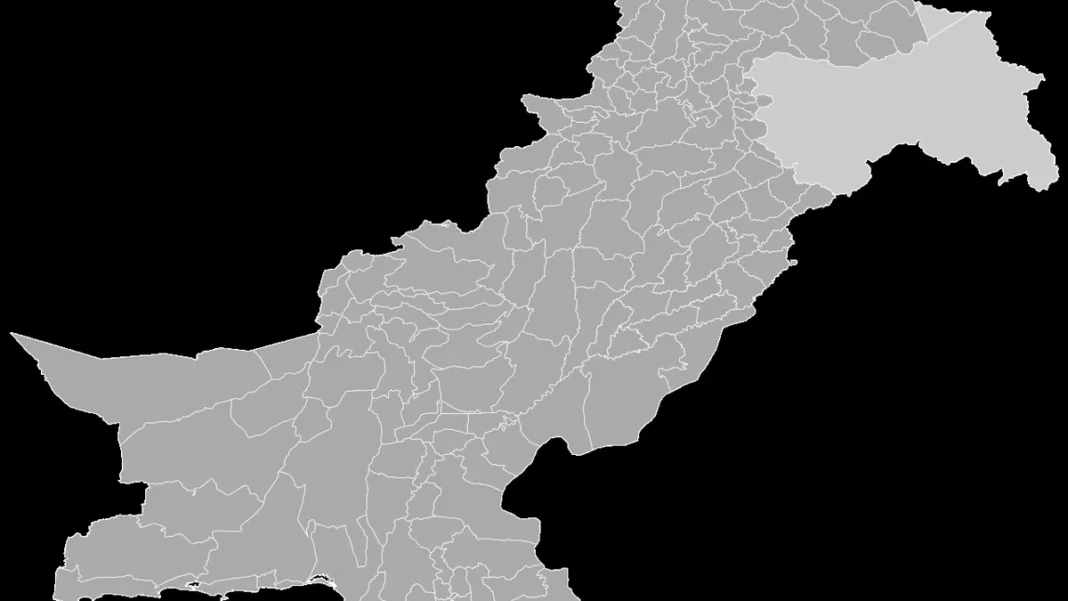
Quick answer: Pakistan has 173 districts as of 2026 (excluding Islamabad Capital Territory): Punjab 41, Sindh 30, Khyber Pakhtunkhwa 40, Balochistan 41 — up from 40 at independence in 1947.
The 2026 total
173 districts — the most current count (Wikipedia’s Districts of Pakistan, 2026), excluding the Islamabad Capital Territory. You will also see 170 or 172 quoted; the differences come down to which newly-notified districts a source has caught up with. Balochistan’s 2026 reorganisation alone added several. Treat the total as a moving target with a well-documented latest value.
Province by province
- Punjab — 41 districts, 10 divisions. The most districts; includes Lahore (13,004,135 people, the country’s most populous district) and Bahawalpur (largest in Punjab by area).
- Sindh — 30 districts, 7 divisions. Includes Karachi Central (69 km², the country’s smallest district by area).
- Khyber Pakhtunkhwa — 40 districts, 7 divisions. Jumped after the 2018 merger of the former FATA added the tribal districts; includes Torghar, among the smallest districts.
- Balochistan — 41 districts, 11 divisions. The 2026 reorganisation took it to 11 divisions; includes Chagai (44,748 km², the country’s largest district by area) and Harnai (127,571 people, the smallest by population).
Beyond the four provinces: Gilgit-Baltistan has 14 districts and Azad Jammu and Kashmir has 10.
Which province creates districts fastest? Balochistan, by far in recent years — its 2026 reorganisation was the largest single administrative redraw since the FATA merger. Punjab creates them steadily (four new ones since 2022); Sindh and KP move more cautiously. The pattern is consistent: big, under-administered districts get split when local pressure and provincial politics align.
One number to remember: 152 — the four provinces’ districts combined (41+30+40+41). Add 14 for Gilgit-Baltistan and 10 for AJK, and you have the full 176 including the territories.
How the count grew
At independence in 1947, Pakistan had 40 districts. The number roughly doubled by the 1980s, passed 100 in the 1990s, and has climbed steadily since — Punjab creating new districts like Talagang and Murree, KP splitting large ones, Balochistan’s 2026 overhaul adding Hub, Wadh, Surab, Tump, Taftan, Barshore and the Quetta East/West split. The straight answer on how many districts Pakistan has explains why the number never sits still.
Why new districts keep appearing
A new district means a new deputy commissioner, district courts, a police chief and a headquarters town — administration brought closer to people who previously travelled hours for basic paperwork. It also means jobs, development funds and political representation, which is why every notification is celebrated locally and debated nationally. See the full list of districts by province and the complete districts guide.
Related guides
Frequently asked questions
What is the total number of districts in Pakistan?
173 as of 2026 (excluding Islamabad Capital Territory). Punjab 41, Sindh 30, Khyber Pakhtunkhwa 40, Balochistan 41.
How many districts are in Punjab?
41 districts across 10 divisions — the most of any province.
How many districts are in Balochistan?
41 across 11 divisions, after the 2026 reorganisation.
How many districts did Pakistan have in 1947?
40 — the count has more than quadrupled since independence.