PM Approves SME Facilitation Centres in Districts
Prime Minister Shehbaz Sharif has approved the establishment of SME facilitation centres at the district level to boost the country’s exports, with pilot projects to start in Lahore, Peshawar, Karachi and Quetta.
The prime minister said the centres will gradually be set up in all districts after the pilots, to give maximum awareness and guidance to citizens interested in setting up businesses.
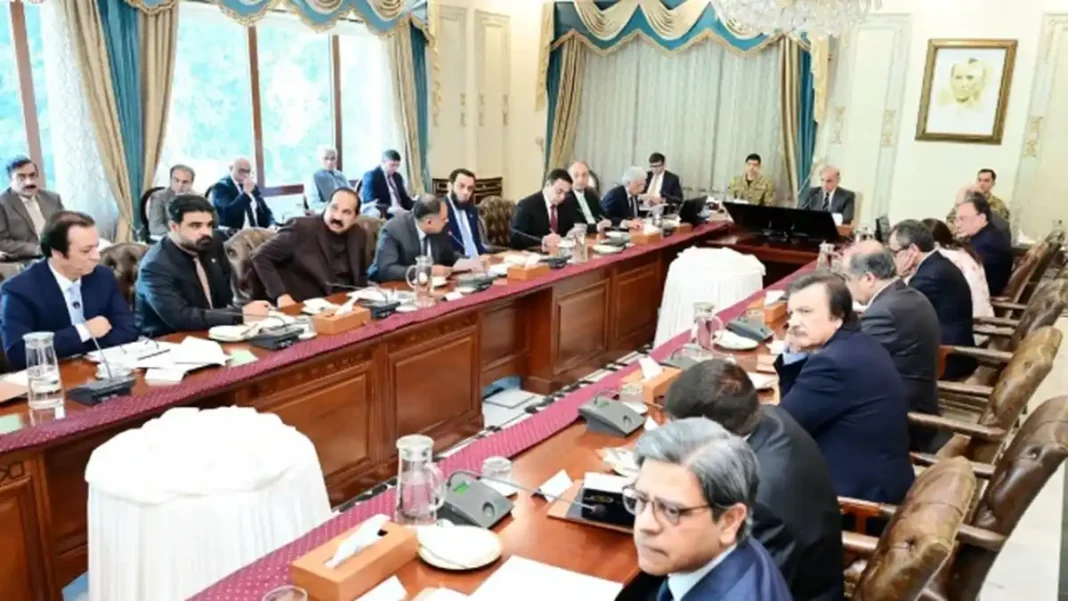
He gave the approval in a meeting with a delegation of exporters associated with small and medium-sized enterprises in Islamabad on Monday.
SME facilitation centres: how they will work
The centres are meant to help small businesses navigate exports. They will guide new and existing exporters on setting up and running a business, and on reaching foreign markets.
The prime minister directed the relevant authorities to present, at the earliest, a comprehensive plan for a sustainable cold storage system to facilitate the export of perishable goods.
The meeting reviewed progress on government initiatives for small and medium-sized businesses and the challenges the sector faces.
The prime minister said Rs300 billion had been allocated under the Export Finance Scheme for the SME sector and new exporters. He said the amount will be reserved exclusively for small and medium-sized enterprises, and that EXIM Bank has already issued a circular to that effect.
He also approved the modernisation and restructuring of the Trade Development Authority of Pakistan and the Small and Medium Enterprises Development Authority. The aim is to promote Pakistani exports and align local industries with international export standards.
Small and medium-sized enterprises are the backbone of any country’s economy, the prime minister said. He added that providing facilities to increase exports by small and medium-sized businesses was among the government’s top priorities, and that the main purpose of the meeting was to facilitate exports for Pakistani small and medium-sized businesses.
Why the move matters for exports
The decision comes as Pakistan’s exports gather pace. Feature Pakistan reported that exports reached a record $11.4 billion in July-October, and the new centres are designed to widen the exporter base beyond large firms so that small businesses share in the growth.
Feature Pakistan reported that the prime minister has pushed an export-led growth agenda, linking it to the stock market’s performance. The SME centres fit that agenda by taking export support down to the district level, where most small businesses operate.
Cold storage is a practical part of the plan. Perishable goods such as fruit, vegetables and meat need reliable cold chains to reach foreign buyers in good condition, and exporters have long cited the lack of storage as a barrier.
The restructuring of TDAP and SMEDA matters too. Both bodies have faced criticism for slow processes and overlapping roles. Modernising them should, in theory, make it easier for a small exporter in a district town to get certification, market information and trade facilitation without travelling to a major city.
Feature Pakistan reported that HUBCO is studying a 300,000-tonne-a-year aluminium smelter, a sign that large industry is also expanding. Feature Pakistan reported that jewellery exporters have sought fixed dollar rates, another reminder that exporters across sectors want steadier rules.
What happens next
The prime minister directed that all possible measures be taken to raise public awareness about establishing and running businesses.
The members of the delegation appreciated the government’s initiatives to promote small and medium-sized businesses and presented proposals for further strengthening the sector.
The prime minister formed a committee to review the practical and actionable proposals put forward by the delegation. The committee will submit a report to the prime minister on their implementation.
The meeting was attended by Federal Ministers Rana Tanveer Hussain, Jam Kamal Khan, Dr Musadik Masood Malik, Ahad Khan Cheema, Muhammad Aurangzeb, Attaullah Tarar and Shaza Fatima Khawaja; Minister of State for Finance Bilal Azhar Kiani; Special Assistant to the Prime Minister Haroon Akhtar; the Governor of the State Bank of Pakistan; the Chairman of the Securities and Exchange Commission of Pakistan; and senior officials of the relevant departments.
Frequently asked questions
What are SME facilitation centres?
They are district-level centres that will guide citizens interested in setting up businesses and help small and medium-sized exporters reach foreign markets.
Which cities will get the pilot centres first?
Pilot projects will start in Lahore, Peshawar, Karachi and Quetta, and the centres will then be extended gradually to all districts.
What funding has been reserved for SMEs?
Rs300 billion has been allocated under the Export Finance Scheme for the SME sector and new exporters, reserved exclusively for small and medium-sized enterprises.
What changes are planned at TDAP and SMEDA?
The prime minister approved the modernisation and restructuring of both bodies to promote Pakistani exports and align local industries with international export standards.
What happens next?
A committee will review the exporters’ proposals and submit a report to the prime minister on implementation, while the authorities prepare a plan for a sustainable cold storage system for perishable exports.