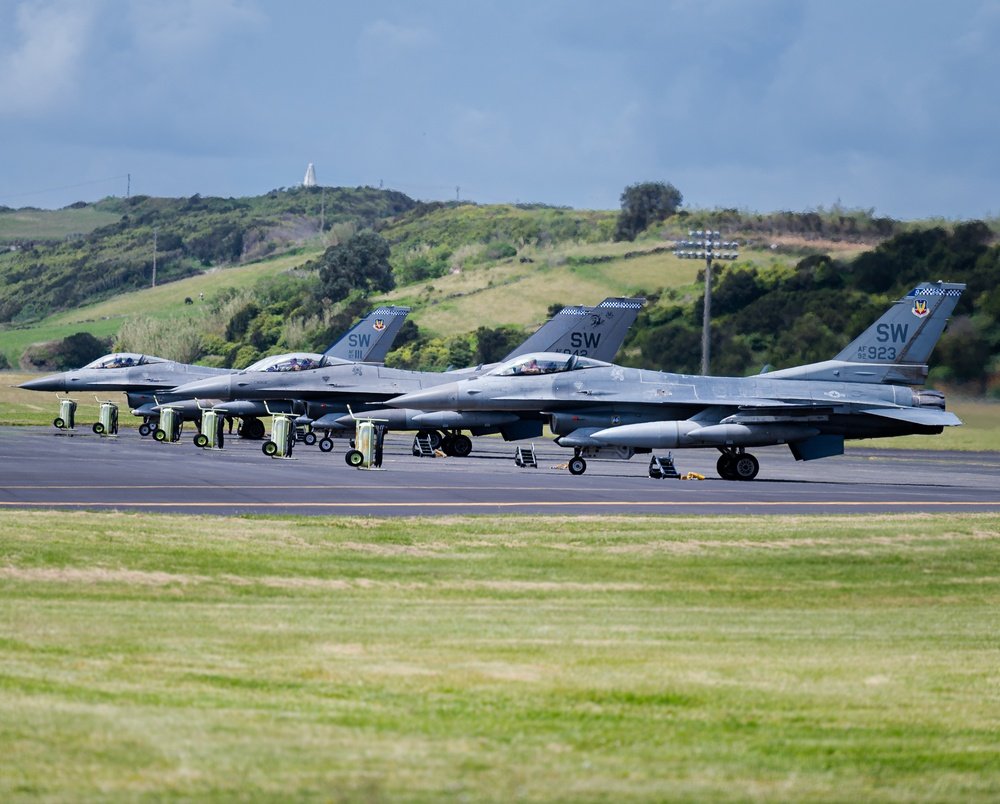
Portugal Probes Legality of US Use of Lajes Air Base in Iran War
Portuguese prosecutors have opened an investigation into whether the government’s authorisation of American use of the Lajes Air Base during the Iran conflict was legal. The Prosecutor General’s Office confirmed on Saturday that the probe followed a formal complaint by members of the Left Bloc, a left-wing opposition party.
A longstanding agreement between Lisbon and Washington allows the United States to use the base in the Azores without prior authorisation during peacetime. Once hostilities begin, however, Portugal must give its approval. Prosecutors will now examine whether that approval was properly granted.
Portugal, unlike neighbouring Spain, authorised several American transit flights through Lajes during the conflict with Iran. The decision drew sharp criticism from left-wing opposition parties and triggered a political debate over Lisbon’s role in operations linked to the war.
In a brief statement, the Prosecutor General’s Office said “the probe was opened following a complaint filed by members of the Left Bloc party,” without providing further details. Portugal’s Foreign Ministry declined to comment.
Left Bloc alleges breach of international law
The Left Bloc first asked prosecutors in April to investigate the American use of Lajes, arguing that it amounted to a “gross violation of international law.” The party has maintained that the centre-right government overstepped by facilitating US military operations.
Foreign Minister Paulo Rangel has rejected that charge. He said Portugal was not involved in the conflict and that the use of the base complied with international law. According to Rangel, the flights were authorised only after Washington gave assurances that any operation would be defensive, necessary and proportionate, and limited to military targets.
Portuguese prosecutors are bound by the principle of legality, which requires them to investigate alleged wrongdoing when sufficient grounds exist. Unlike prosecutors in some other jurisdictions, they have limited discretion to decline a case once a complaint meets the threshold.
Why the Lajes Air Base matters
The Lajes Air Base sits in Portugal’s Atlantic Azores archipelago, roughly midway between North America and Europe. Under a bilateral defence treaty dating back to 1951, it serves as a strategic transit hub for US forces and hosts the 65th Air Base Wing of the US Air Force.
Known as the “Crossroads of the Atlantic,” the base provides support for American, NATO and allied operations across Europe, Africa and the Middle East. Its position made it a natural staging point during the confrontation with Iran, when the United States moved assets across the Atlantic.
What happens next
The investigation is at an early stage, and prosecutors have not indicated a timeline. If they find the authorisation unlawful, the case could embarrass the centre-right government and strain the political consensus behind Portugal’s defence cooperation with Washington.
For now, the government insists it acted within the law. The Left Bloc, meanwhile, is likely to use the probe to keep pressure on Lisbon over its role in the Iran conflict, an issue that has divided Portuguese politics for months.
FAQs
What is the Lajes Air Base?
It is a Portuguese-American air base in the Azores archipelago in the mid-Atlantic. It hosts the US Air Force’s 65th Air Base Wing and serves as a transit hub for American and NATO operations under a 1951 bilateral treaty.
Why are Portuguese prosecutors investigating?
They are examining whether the government’s authorisation of US use of the base during the Iran conflict was legal, after the Left Bloc filed a complaint alleging a “gross violation of international law.”
What does the government say?
Foreign Minister Paulo Rangel says Portugal was not involved in the conflict and that the use of Lajes complied with international law, authorised only after US assurances the operations would be defensive, necessary, proportionate and limited to military targets.
What is the principle of legality?
It is the rule binding Portuguese prosecutors to investigate alleged wrongdoing whenever sufficient grounds exist, leaving them less discretion than prosecutors in some other countries to drop a case.