Punjab Bans 50 More Punjabi Songs as Theatre Total Hits 185
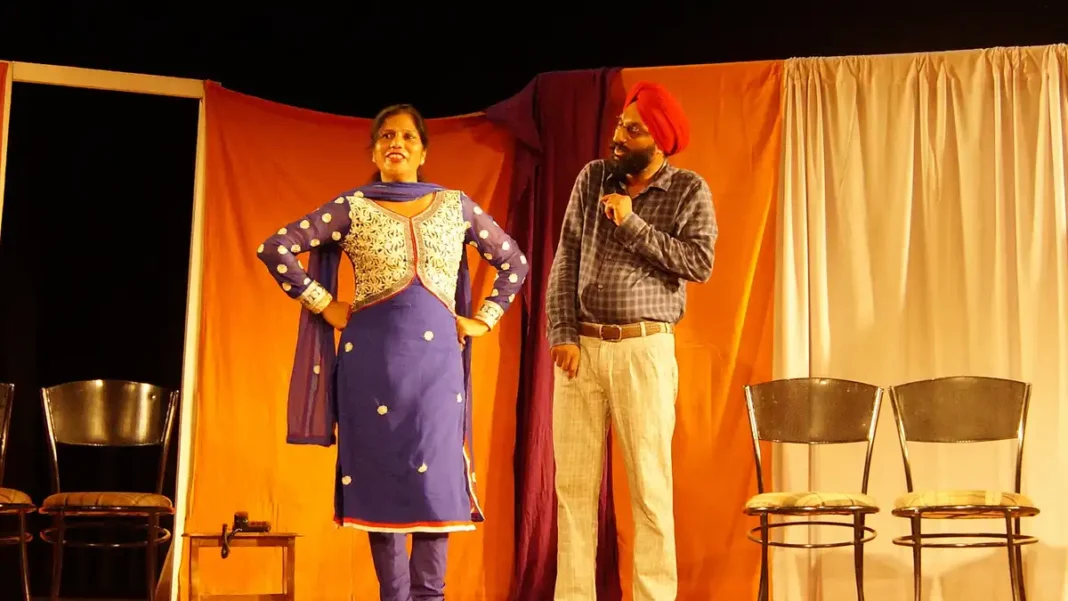
The Punjabi songs ban grew on Wednesday as the Punjab Council of the Arts barred another 50 Punjabi songs from theatre performances across the province. The move takes the total number of banned songs to 185, with 135 already barred under the ongoing theatre reform drive.
The decision followed reports from monitoring teams and complaints about lyrics and performances seen as inappropriate, vulgar or carrying double meanings. The council said the step forms part of efforts to improve the quality of theatre productions and tighten oversight of stage shows across Punjab.
Punjabi songs ban: what the new order covers
The latest 50 songs join a list that already held 135 tracks. Once the new order takes effect, 185 songs will be off limits for theatrical performances in the province.
Monitoring committees will oversee compliance under the province’s stricter theatre rules. Artists will remain free to perform other approved songs, so the restrictions target specific tracks rather than Punjabi music as a whole.
Theatres will also gain a new option. Following approval of the Punjab Drama and Theatrical Act, theatres will be allowed to use songs from films released under the “import policy”. The change gives stage producers a wider pool of approved material to draw on.
The January ban that started it
This is not the first time Punjab has acted against stage songs. In January 2026, the Punjab Council of the Arts issued a notification banning 132 Punjabi songs from theatres and stage performances. The order rested on theatrical standard operating procedures issued by the Information and Culture Department in August 2025.
The January notification named songs including “Aa Galay Lag Ja”, “Raat da Andhaira Way”, “Mennu Lagda Darr Way” and “Gaddi La Day Prado”. Another popular track, “Nak Da Koka”, had already been banned in November 2025, but the ban was not being enforced at weddings and public events.
The January order caused confusion at first. Claims spread online that the songs had been banned for Basant, the spring kite festival returning to Lahore after 18 years. Punjab Information and Culture Minister Azma Bokhari rejected that claim and said the songs had been banned in theatres, calling them “stains on the name of music and songs”. Her spokesperson confirmed that the notification applied only to theatre performances and stage plays, not to Basant. Feature Pakistan reported on the Basant festival returning to Lahore in 2027 as the city prepared for the revival.
The count has crept up since January, from 132 songs then to 135 before the latest order, which suggests further tracks were added during the year.
Enforcement has already bitten
The council has moved from paper orders to action on stage. In February 2026, provincial authorities took action against 10 stage actresses after an e-monitoring review flagged performances on banned songs during commercial theatre shows. The review found the performances had broken approved content rules and the standard operating procedures for public entertainment.
Punjab has run similar crackdowns on other platforms. Feature Pakistan reported arrests of TikTok live performers over vulgar content in a separate enforcement drive this month, which shows the province is policing stage and screen together.
What happens next
Monitoring teams will keep watching theatre productions, and committees will check compliance with the new list. Theatre owners who stage a banned song face action under the theatre rules, as the January notification already warned.
The ban leaves plenty of room for performers. Approved songs remain open to artists, and film songs under the import policy add fresh material for producers. The council’s aim, as stated in its reports, is cleaner stage content rather than an end to Punjabi theatre itself.
Punjab’s stage tradition remains a large part of the province’s cultural life, and the debate over where the line falls will continue. For now, the list grows longer, and theatres must check it before they pick their songs. Feature Pakistan covered the World Culture Festival in Karachi, where theatre and film drew large crowds, and Reema Khan’s return to the screen after 16 years. Punjabi music also keeps reaching new audiences, as Shae Gill and Afusic showed with Qasam on Coke Studio.
Frequently asked questions
How many Punjabi songs are now banned in Punjab theatres?
A total of 185 songs are banned: 135 were already on the list, and 50 more have now been added by the Punjab Council of the Arts.
Who ordered the ban on Punjabi songs?
The Punjab Council of the Arts ordered the ban as part of its theatre reform measures, acting on reports from monitoring teams and public complaints.
Why were the songs banned?
The songs were banned for lyrics and performances seen as inappropriate, vulgar or carrying double meanings that break theatre content rules.
Does the ban cover all Punjabi music?
No. The ban covers only the listed songs in theatre and stage performances. Artists may still perform other approved songs, and theatres may use film songs under the import policy.
Were Punjabi songs banned in Punjab before?
Yes. The council banned 132 songs in January 2026, and “Nak Da Koka” was banned in November 2025. In February 2026, 10 stage actresses faced action for performing banned songs.