Punjab Panchayat System to Settle Local Disputes
The Punjab panchayat system has won in-principle approval from Chief Minister Maryam Nawaz Sharif, to give citizens an accessible, speedy and low-cost way to resolve local disputes through mutual consent.
Chairing a meeting on the proposed system on Wednesday, she said the Punjab government was introducing the Punjab Panchayat Act. The law aims to revive the centuries-old tradition of community mediation within a proper legal framework and make people partners in the justice system.
She said courts should not necessarily be the first forum for resolving every mutual dispute. Minor conflicts could be settled through dialogue, mutual understanding and the wisdom of respected community members.
Punjab panchayat system: how the committees will work
According to a briefing at the meeting, panchayat committees would be established at union council, village, locality and mouza levels. The committees would resolve disputes with the mutual consent of the parties concerned.
Deputy Commissioners would appoint permanent local residents enjoying public confidence as panchayat members. The selection would be based on good reputation, impartiality and wisdom.
Proposed members would include lambardars, teachers, retired judges, retired army officers, retired civil servants and other respected community figures.
The briefing said the system would facilitate access to justice for women, minorities, poor and disadvantaged segments of society. It would operate within clearly defined legal boundaries while fully preserving citizens’ right to approach courts and seek judicial protection.
The chief minister directed the relevant authorities to prepare a comprehensive plan covering rules, policy guidelines and regulations for the proposed programme.
She also called for clear criteria to define the powers and jurisdiction of panchayat committees. A negative list specifying matters outside the panchayat’s jurisdiction would also be introduced, to prevent possible misuse of the system against women and vulnerable segments of society.
What the panchayat revival means for villagers
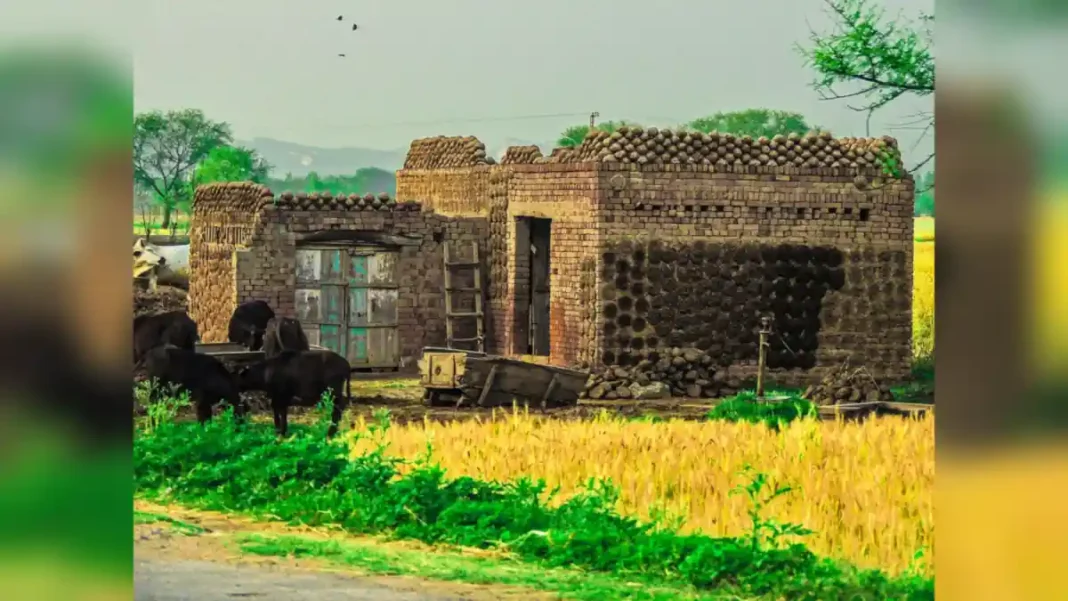
For a villager with a boundary dispute or a family quarrel, the panchayat could mean a settlement in days rather than a court case that runs for years. The committee sits in the village, speaks the local language, and knows the people involved.
The plan also aims to cut the burden on courts. Thousands of small disputes clog the lower judiciary. If panchayats settle them at the doorstep, judges can focus on serious cases.
The safeguards matter as much as the promise. The negative list must keep serious crimes, violence against women and land grabs out of the panchayat’s reach. The right to go to court must stay real, not just written in the law.
The move comes as Punjab rebuilds local governance from the ground up. Local government polls in Punjab will be held in two phases in February 2027, after the province went without elected local councils since December 2021.
Maryam Nawaz said the initiative aimed to empower people at the grassroots level by giving them a role in resolving their own disputes. She said the panchayat system would help reduce the burden of cases on courts and make speedy and affordable justice possible through community-based mediation.
The chief minister said the government was committed to bringing justice to people’s doorsteps through meaningful social reforms.
The test will come in the rules. Who picks the members, what cases they can hear, and how a villager appeals a bad decision will decide whether the panchayat becomes a trusted forum or another layer of local power.
The government has also been active on other Punjab fronts this week. Punjab has restricted school trips to 50 kilometres over smog and transport safety concerns, and the province’s rivers have yielded 75,000 tolas of gold, according to official estimates. Punjab’s new Labour Code extends cover to gig workers, in another recent reform from the provincial government.
Frequently asked questions
What is the Punjab panchayat system?
It is a proposed system of local committees that settle small disputes through mediation and mutual consent, under the Punjab Panchayat Act, instead of sending every dispute to court.
Who approved the panchayat system?
Punjab Chief Minister Maryam Nawaz Sharif gave in-principle approval at a meeting on Wednesday, and directed officials to prepare a comprehensive plan with rules and regulations.
Where will panchayat committees be set up?
At union council, village, locality and mouza levels across Punjab. Deputy Commissioners will appoint members from permanent local residents.
Who will sit on the panchayats?
Lambardars, teachers, retired judges, retired army officers, retired civil servants and other respected community figures, chosen for good reputation, impartiality and wisdom.
Will people still be able to go to court?
Yes. The system operates within defined legal boundaries and fully preserves citizens’ right to approach courts. A negative list will keep certain matters outside the panchayat’s jurisdiction.