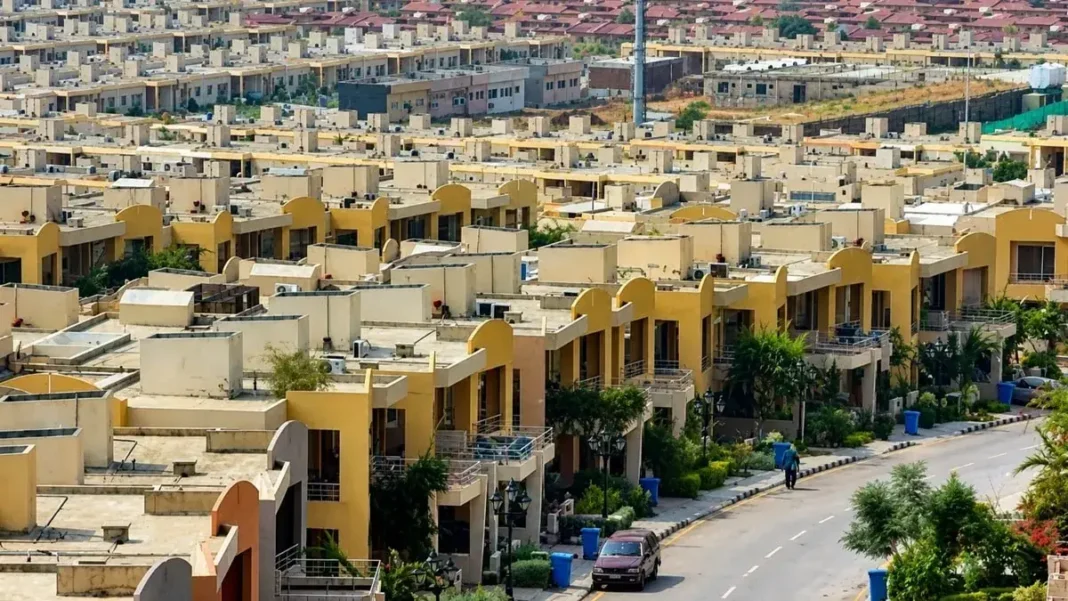
The Punjab government has approved major amendments to the rules governing private housing societies, introducing new requirements for plot cancellations, development work and the management of societies.
The changes tighten the obligations of developers towards the people who buy plots from them, add penalties for illegal development, and set new standards for how new schemes are approved and run.
Stronger Protection for Plot Buyers
The most important change concerns plot cancellations. Under the revised rules, housing societies must notify allottees before cancelling their plots. Notices must be sent through the Housing Society Management System as well as by registered mail, so that no buyer can be cancelled quietly.
Societies must also give allottees at least two opportunities to pay overdue plot instalments before any cancellation. Plots cannot be cancelled immediately over unpaid development charges either: at least two notices must be issued first.
These clauses address a complaint that has been heard for years in Punjab’s property market. Buyers have repeatedly said that societies cancelled their files over disputed or unpaid dues without proper notice, leaving them to fight for refunds or reinstatement in courts. The new rules make the notice process formal and documented.
Digital Approvals and Tighter Controls
Applications for new and revised housing schemes will now have to be submitted through a centralised digital system. Moving approvals onto a single platform is intended to reduce discretion, speed up processing and leave a paper trail that is harder to manipulate.
The amendments also cap the maximum residential plot size in low-cost housing schemes at five marlas, keeping such schemes focused on affordable housing rather than luxury development.
Housing societies caught carrying out illegal development work will face daily fines ranging from Rs5,000 to Rs20,000, a penalty structure designed to make violations expensive for every day they continue.
Underground Utilities and Resident Management
The new rules make it mandatory to install electricity, internet and other utility lines underground in private societies. This brings private schemes closer to the standards of developed projects and should cut down on the tangled overhead wiring that mars many new developments.
Once development work is completed, a seven-member management committee will oversee the society’s affairs. Four of the members will represent residents and three will represent the sponsor, giving plot owners a majority voice in how their society is run after the developer finishes building it.
Why This Matters
Punjab’s private housing sector has a long record of disputes between developers and buyers, from delayed possession to cancelled files and charges that appear years after purchase. Rules existed before, but enforcement was patchy and the buyer was usually the weaker party.
Whether these amendments change that depends on implementation. The notice requirements, the two-chance rule on instalments, the daily fines and the resident-majority committees all give buyers stronger tools. What remains to be seen is how strictly the authorities enforce them when a large developer pushes back.
Frequently Asked Questions
What changes for plot buyers in Punjab?
Societies must now notify allottees through the Housing Society Management System and registered mail before cancelling plots, and must give at least two chances to pay overdue instalments or development charges.
What is the maximum plot size in low-cost schemes?
The amendments set the maximum residential plot size at five marlas in low-cost housing schemes.
What penalties apply for illegal development?
Societies carrying out illegal development work face daily fines of Rs5,000 to Rs20,000.
Who will manage societies after development is complete?
A seven-member committee will take over: four representatives of residents and three of the sponsor.
Internal links: Apna Ghar housing loans near Rs0.5 trillion, but disbursement lags | Suthra Punjab: Maryam Nawaz gives 7-day deadline for beat system | Senate panel questions Rs2.6 trillion federal spending on devolved ministries
Outbound: Source: ProPakistani