Rahim Yar Khan Growers Demand Sugar Cess Fund Audit
Growers in Rahim Yar Khan have demanded a sugar cess fund audit, saying the levy collects about Rs2.69 billion every year while the rural roads of the district remain broken.
Farmers say the government collects Rs2.50 per maund from growers and an equal amount from sugar mills under the sugar cess. They want the government to disclose how the money is spent, because roads damaged by heavily loaded sugarcane trailers have not been repaired for nearly two decades.
The demand comes as the crushing season approaches and the government has still not announced the per-maund price of sugarcane for this year.
Why growers want a sugar cess fund audit
Sugarcane cultivation in Rahim Yar Khan district has grown with the number of sugar mills. Deputy Director Agriculture Dr Masood Saleem confirmed that the crop was sown over 673,000 acres this year.
The district has a total cultivated area of 1.36 million acres, including 377,000 acres under cotton, 122,000 acres under rice and 55,000 acres under mango orchards. Citrus and other fruit orchards cover another 4,500 acres.
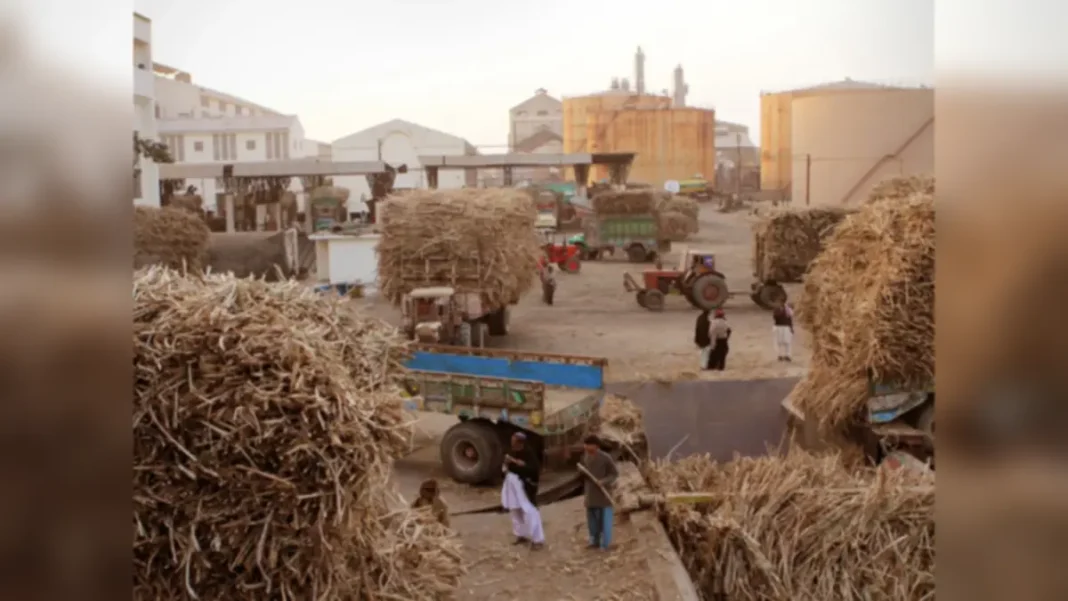
Eight sugar mills operate in the district. One stands at Channi Goth, on the boundary between Bahawalpur and Rahim Yar Khan districts, while another sits along the Sindh-Punjab border. The rest are spread across the four tehsils of the district.
Kissan Ittehad central president Mazharul Haq Bukhari said the government had not fixed the per-maund price of sugarcane last year either, and had yet to announce the rate for the current season despite the approaching start of crushing.
He said the annual cess collected from growers alone was estimated at around Rs1.35 billion, based on an average yield of 800 maunds per acre. With an equal contribution from sugar mills, the total collection would reach about Rs2.69 billion.
Broken roads and unanswered questions
Farmer leader Abdul Samad Chaudhry asked why rural link roads remained in poor condition despite billions of rupees being collected under the sugar cess. He said several roads had remained damaged for nearly two decades.
Grower Zahid Sharif Mahar said roads damaged by heavily loaded sugarcane trailers were not being repaired. He demanded that the government disclose how the money collected under the cess was being spent.
Bukhari said farmers’ organisations were not consulted on important matters, including the use of the sugar cess fund and the fixing of sugarcane prices. He argued that a separate province in south Punjab would ensure that resources generated in the region were spent on local development.
What the sugar cess row means for the crushing season
The price delay is not new. The Lahore High Court has allowed an early hearing in a case about the sugarcane price, which growers say has been left undecided for too long. The federal cabinet has approved deregulation of the sugar sector, a step tied to the IMF programme. Sugar mills in Sindh were given three days to start crushing, showing that the season is already under way in parts of the country. Sugar shipments resumed in October and helped push food exports up 22 per cent, so the crop matters well beyond the farm gate.
For growers in Rahim Yar Khan, the issue is simple. They pay the cess on every maund they grow, the mills pay the same again, and the fund should show for it in roads and services. Until the government announces the cane price and opens the books on the cess, the growers say they will keep pressing for both.
The next step rests with the Punjab government. It must fix the per-maund price before crushing starts in full, and it must answer the audit demand with figures, not assurances.
Frequently asked questions
What is the sugar cess fund?
The sugar cess is a levy of Rs2.50 per maund collected from growers and an equal Rs2.50 per maund from sugar mills. The money is meant to fund development work in sugarcane-growing areas, including rural roads.
How much does the cess collect each year in Rahim Yar Khan?
Growers estimate the annual collection from growers alone at about Rs1.35 billion, based on 673,000 acres of sugarcane and an average yield of 800 maunds per acre. With the mills’ equal share, the total reaches about Rs2.69 billion.
Why do growers want an audit?
Growers say rural link roads have stayed in poor condition for nearly two decades despite the billions collected. They want the government to disclose how the cess money is spent and to consult farmers’ organisations on its use.
Has the government announced the sugarcane price for this season?
No. Growers say the government did not fix the per-maund price last year either, and has yet to announce the rate for the current season even though crushing is about to start.
How many sugar mills operate in Rahim Yar Khan?
Eight sugar mills operate in the district, spread across its four tehsils, with one at Channi Goth near the Bahawalpur boundary and another along the Sindh-Punjab border.