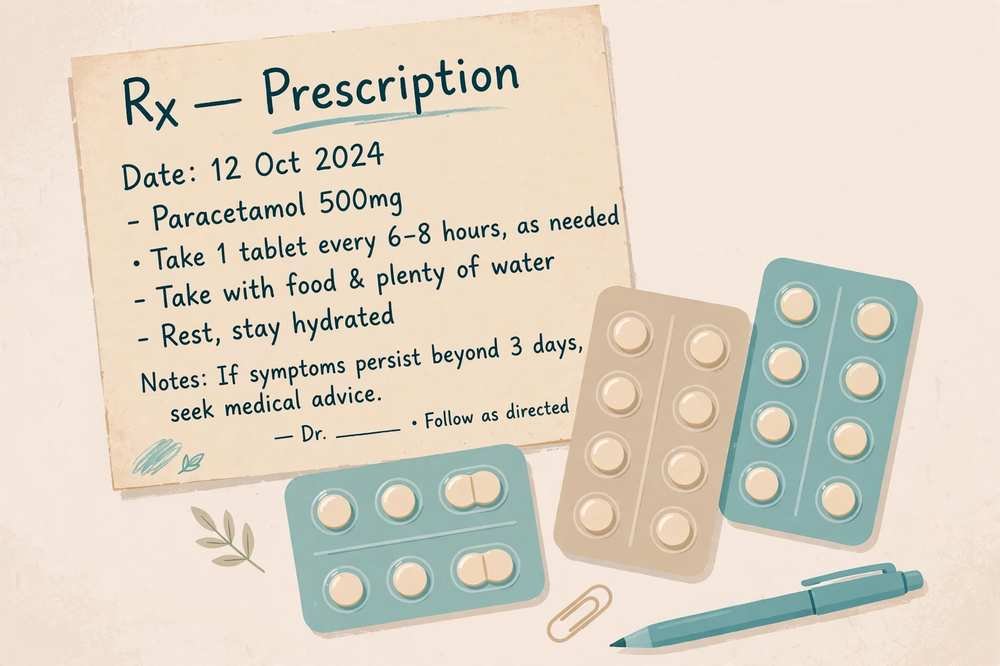
If you take the same medicine every day, ordering a repeat prescription is part of your routine. Yet many people still run out of tablets, queue at the wrong counter, or pay more than they need to. A little know-how makes the whole process smooth.
A repeat prescription lets you order regular medication without seeing your GP each time. You request it, the surgery approves it, and your pharmacy gets it ready. This guide explains how repeat prescriptions work in the UK, the easiest ways to order, what charges apply, and simple habits that keep you from ever running out.
What Is a Repeat Prescription?
A repeat prescription is a prescription your GP agrees you can reorder without a new appointment. It covers medicines you take long term, such as blood pressure tablets, asthma inhalers, or thyroid medication. Your doctor sets it up when your condition is stable and the medicine suits you.
Instead of booking an appointment each month, you simply request the next supply. The surgery reviews your record, approves the request, and sends the prescription to a pharmacy. Many people order every 28 days, although the exact period can vary. The system saves time for you and for your GP.
Keep in mind that a repeat prescription is not permanent. Your GP reviews it regularly, usually every 6 to 12 months, to check the medicine still works for you. This review is called a medication review. You may need a blood test or a short check-up as part of it.
Who Can Get a Repeat Prescription?
You can get a repeat prescription if you take medicine on a long-term basis. This includes treatment for ongoing conditions such as high blood pressure, diabetes, asthma, underactive thyroid, or high cholesterol. Your GP must agree that the medicine is working and that your condition is stable.
Not every medicine qualifies. New medicines usually need a review first. Your doctor may want to see how you respond before moving them onto repeat. Medicines that need close monitoring, such as warfarin, may also stay off repeat. In addition, controlled drugs have stricter rules.
If you are unsure whether your medicine is on repeat, check the right-hand side of your prescription or ask your pharmacist. Pharmacies can see which items your GP has marked as repeatable. When in doubt, speak to your GP surgery.
How to Order a Repeat Prescription
There are several ways to order. Choose the one that suits you best.
At Your GP Surgery
Most surgeries let you order in person or by dropping a repeat slip into a collection box. You will find the slip on the right side of your last prescription. Tick the items you need and hand it in at reception. Some surgeries also take requests by phone, although many now prefer online ordering.
Using the NHS App
The NHS App is the quickest method for many people. Log in, go to the prescriptions section, and select the items you need. The request goes straight to your GP. You need an NHS login, which you can set up with your NHS number and some ID. The app also shows your past orders, which helps you track what you have.
Through Online GP Services
Many surgeries offer ordering through their own website or a service such as Patient Access. You register once, then log in to request your medicines. These services work much like the NHS App. Ask your surgery which service they support.
Ask Your Pharmacy to Order for You
Many pharmacies offer a repeat prescription service. You sign up once, and the pharmacy orders your medicines from your GP before you run out. They prepare your prescription and often text you when it is ready. This option suits people who visit the same pharmacy each month. You can still switch pharmacies later if you wish.
How Long It Takes and When to Reorder
Allow at least 2 to 3 working days for your surgery to process a request. Pharmacies may need extra time to prepare the medicines. During bank holidays, add more time. Order early and you will never feel rushed.
A good rule is to request your repeat prescription when you have about 7 to 10 days of medicine left. This leaves a buffer for delays. Avoid ordering far too early, though. Surgeries usually refuse requests made more than a week or two in advance, unless you explain why, such as a holiday.
Set a reminder on your phone or stick a note on your medicine box. Many people run out simply because they forgot to order. A small habit now prevents stress later.
Prescription Charges and Free Prescriptions
In England, there is a charge for each prescribed medicine item, unless you qualify for free prescriptions. Prescription charges do not apply in Scotland, Wales, or Northern Ireland, where prescriptions are free for everyone.
You usually qualify for free prescriptions in England if you are under 16, or under 19 and in full-time education. People aged 60 and over also get free prescriptions. In addition, certain medical conditions and benefits bring exemption. These include some long-term conditions, pregnancy, and income-based benefits. The rules can change, so check the latest guidance on the NHS website or ask your pharmacist.
If you pay for prescriptions regularly, a prescription prepayment certificate may save you money. This is sometimes called a season ticket. You pay a set amount for 3 or 12 months and then collect as many prescribed items as you need. Ask your pharmacy about it.
Electronic Prescriptions and Your Nominated Pharmacy
Most repeat prescriptions in England are now sent electronically. Your GP sends the prescription to the NHS spine, and your nominated pharmacy downloads it. You do not handle a paper prescription at all.
A nominated pharmacy is simply the pharmacy you have chosen to receive your electronic prescriptions. It can be a high street pharmacy or an online pharmacy that delivers to your home. You can set or change your nomination through the NHS App, at your GP surgery, or at the pharmacy itself.
Electronic prescriptions are faster and harder to lose. They also let pharmacies prepare your medicines in advance. If you change your nominated pharmacy, tell your GP or update it in the NHS App. The change usually takes effect quickly.
Repeat Prescriptions for Long-Term Conditions
If you live with a long-term condition, your repeat prescription is part of your daily life. Conditions such as diabetes, epilepsy, or severe asthma often need careful monitoring. Your GP may schedule regular blood tests or check-ups alongside your prescription.
Tell your GP if your symptoms change, even slightly. A medicine that worked well for years can become less effective. Do not adjust the dose yourself. Your doctor needs the full picture to help you safely.
Some long-term conditions qualify you for free prescriptions in England through a medical exemption certificate. Ask your GP whether your condition qualifies. The certificate lasts for five years and can save you a great deal of money.
What to Do If Your Medication Runs Out or Changes
Running out of medicine is stressful, but there are fixes. If your GP is closed, many pharmacies can supply an emergency repeat. The pharmacist checks your records and gives you a small supply to cover you until your GP reopens. You may have to pay the prescription charge unless you are exempt. Keep your GP surgery’s phone number saved in your phone for such moments.
If your GP changes your medicine, stop ordering the old item. Your surgery updates your repeat list, but mistakes happen. Check your new prescription carefully. If the old medicine still appears on your repeat list, tell the surgery.
Never share prescription medicines with others, even if you take the same drug. Doses and brands can differ. Also, never stop a medicine suddenly without medical advice. Some medicines need careful tapering.
Common Problems and How to Fix Them
Even a smooth system hits snags. Here are common issues and simple fixes.
Your request is rejected
Your GP may reject a request if you ordered too early or if a review is overdue. Book the medication review and the problem usually resolves. If you need the medicine urgently, explain this to the surgery.
An item is missing from your repeat list
Medicines sometimes drop off your repeat list after a hospital stay or a prescription change. Contact your surgery and ask them to add it back. Your pharmacist can also flag the issue.
The pharmacy says it is out of stock
Shortages happen from time to time. Ask the pharmacy when stock is expected, or ask your GP whether an alternative brand or strength is suitable. Do not simply skip doses without advice.
You moved house or changed GP
Register with your new GP as soon as you move. Ask your old surgery for a summary of your repeat medicines, or let the new surgery request your records. Order before you move so you have enough to cover the switch.
Simple Habits That Keep Your Medicines on Track
Small habits make repeat prescriptions effortless.
Keep an up-to-date medicine list
Write down every medicine you take, including doses and times. Keep the list in your wallet or on your phone. Show it at appointments and hospital visits. It prevents errors and saves time.
Store medicines safely
Keep medicines in a cool, dry place away from children and pets. Do not store them in a steamy bathroom. Check the label for special storage advice, such as refrigeration.
Use a pill organiser
A weekly pill box helps you see at a glance whether you took today’s dose. Pharmacies and supermarkets sell them cheaply. This simple tool prevents double doses and missed doses.
Frequently Asked Questions
How often can I order a repeat prescription?
Most repeat prescriptions cover 28 days, so you order roughly every month. Some surgeries allow longer supplies. Order when you have 7 to 10 days of medicine left.
Can I order a repeat prescription for someone else?
Yes, with their permission. Many people order for elderly parents or partners. The pharmacy or GP may ask for the patient’s details. For children under 16, a parent or guardian usually orders.
What happens at a medication review?
The GP or pharmacist checks that your medicines still suit you. They may ask about side effects and how well you feel. Sometimes they adjust a dose or stop a medicine you no longer need. Reviews usually happen every 6 to 12 months.
Can I get a repeat prescription while on holiday in the UK?
Yes. If you are away from home, any pharmacy can usually dispense your electronic prescription. If your prescription is not electronic, ask your GP to send it to a pharmacy near where you are staying. Plan ahead and order before you travel.
What if I lose my prescription?
Electronic prescriptions cannot be lost. If you lose a paper prescription, contact your GP surgery. They can usually issue a replacement. If you lose your medicines, a pharmacist may supply an emergency repeat.
Do I need to pay for each item on a repeat prescription?
In England, the charge applies per item unless you are exempt or hold a prepayment certificate. In Scotland, Wales, and Northern Ireland, prescriptions are free.
Why has the brand of my tablets changed?
Pharmacies often switch between brands of the same medicine. The active ingredient is the same, so the medicine works the same way. The tablets may look different, which can be confusing. If you are worried, ask your pharmacist to explain.
Conclusion: Stay in Control of Your Repeat Prescription
Managing a repeat prescription is simple once you build the habit. Order a few days early, use the NHS App or your pharmacy’s ordering service, and keep your nominated pharmacy up to date.
Review your medicines with your GP when asked, and never let a review lapse. A repeat prescription works best when it is a partnership between you, your GP, and your pharmacist.
Take five minutes this week to check your supply. If you are running low, order now. Your future self will thank you.
This article is for general information only and is not medical advice. If you have concerns about your health or medication, please consult your GP or pharmacist.