Sindh is Pakistan’s coastal powerhouse — home to Karachi, the Indus delta, the Thar desert and 5,000 years of civilisation. This is the full portrait of Sindh province: its land, its people, its economy and its place in Pakistan.
Quick answer: Sindh is Pakistan’s southeastern coastal province — 140,914 km², 55.7 million people (2023 census), capital Karachi. It is the third-largest province by area, second by population, the most urbanised, and the country’s economic engine, contributing roughly a quarter of national GDP.
Province Profile
| Fact | Detail |
|---|---|
| Area | 140,914 km² (3rd largest) |
| Population | 55,696,147 — 2023 census (2nd largest) |
| Capital | Karachi |
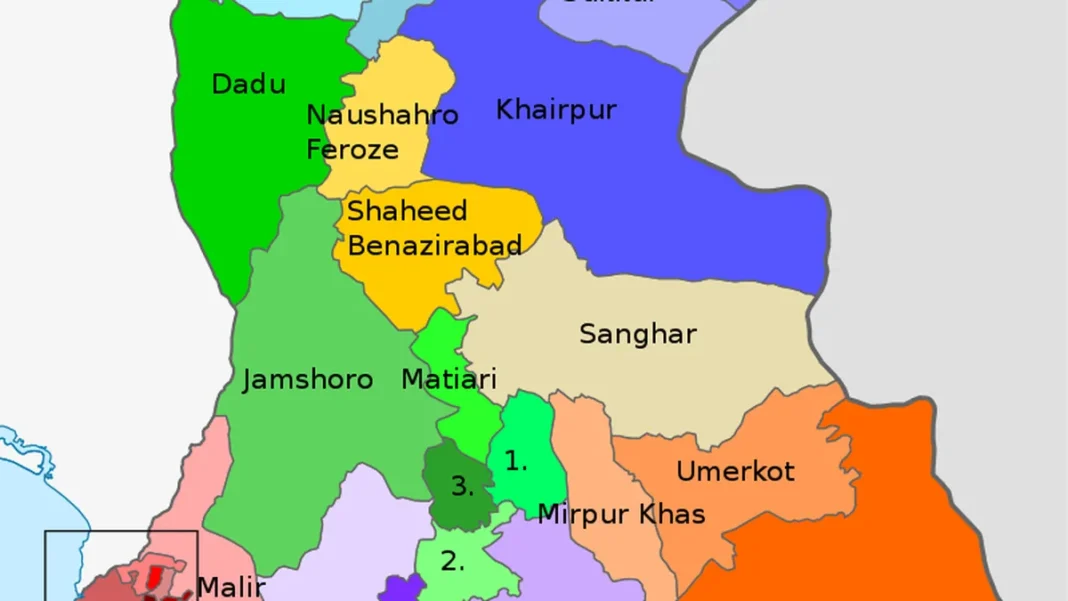
| Divisions / districts | 6 divisions, 30 districts |
| Languages | Sindhi (provincial), Urdu (national), English (official) |
| Literacy | 57.5% (2023) |
| Nicknames | Mehran, Bab-ul-Islam |
For the pure geography — area, borders, terrain — see our main Sindh area guide.
Government and Politics
Sindh has a unicameral Provincial Assembly of 168 seats (130 general, 29 women, 9 non-Muslim) and sends 75 members to the National Assembly. The province has been governed by the Pakistan Peoples Party continuously since 2008 — the longest unbroken provincial run in the country — with Murad Ali Shah as Chief Minister. The Governor, appointed by the federal government, is the ceremonial head of the province.
The Economy
Sindh is Pakistan’s richest province per person after the capital territory: nominal GDP of about US$86 billion (2022 estimate) and per capita GDP near US$1,997 — above the national average. The drivers:
- Karachi: ~95% of Sindh’s GDP is generated in and around the megacity — ports, finance, industry and services. See Karachi’s GDP per capita.
- Agriculture: the Indus-fed plain produces wheat, rice, cotton, sugarcane and mangoes; Sindh is Pakistan’s second agricultural province.
- Industry: Hyderabad is a major industrial centre; the province hosts textiles, cement, pharmaceuticals and growing IT.
- Energy: Thar coal, wind corridors and solar — Sindh is central to Pakistan’s energy future.
Culture and Heritage
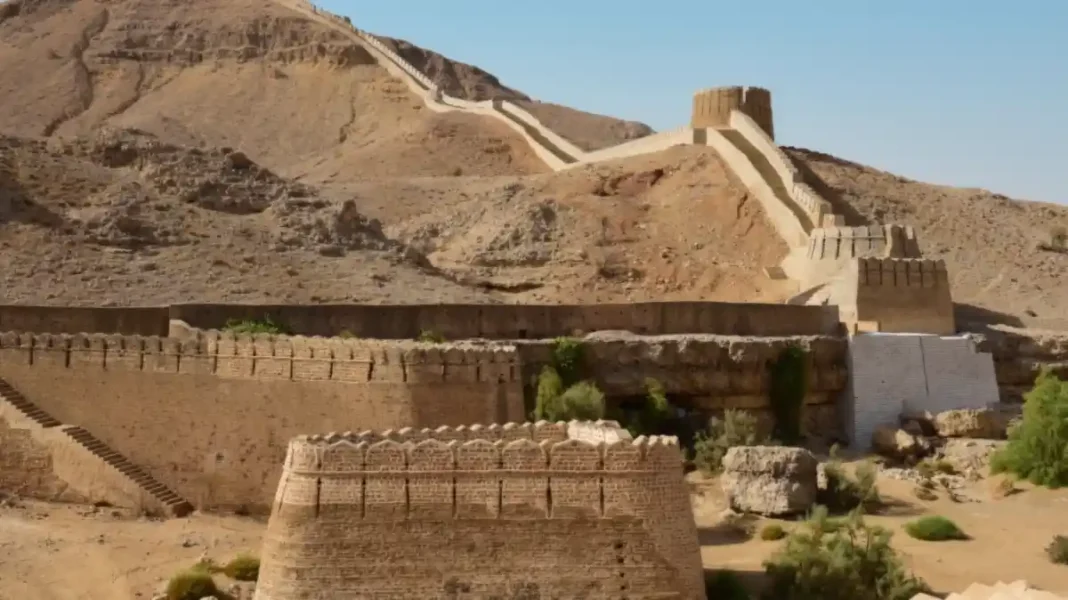
Sindh’s identity runs deep: the Shah Abdul Latif Bhittai tradition of Sufi poetry, the ajrak and Sindhi topi, and a musical heritage from the dargahs of Sehwan Sharif to Bhit Shah. Its monuments are world-class — Mohenjo-daro (UNESCO, ~2500 BCE), the Makli Necropolis at Thatta (UNESCO), Ranikot Fort with its 32 km of walls, and the Shah Jahan Mosque. The province’s religious mix — overwhelmingly Muslim with Pakistan’s largest Hindu minority — gives it a plural character distinct in the country.
Major Cities
- Karachi — the capital; ~18.87 million people; Pakistan’s economic heart.
- Hyderabad — second city; historic, industrial, and a transport hub.
- Sukkur — the barrage city; gateway to upper Sindh.
- Larkana — Mohenjo-daro’s district; political heartland.
- Thatta & Badin — the delta districts; Makli, Keenjhar lake and the coast.
Frequently Asked Questions
What is Sindh province known for?
Karachi (Pakistan’s largest city and economic capital), the Indus river and its barrages, Mohenjo-daro’s 5,000-year-old ruins, the Thar desert, Sufi shrines, and the ajrak-topi culture.
Which party governs Sindh?
The Pakistan Peoples Party (PPP) has governed Sindh continuously since 2008, with Murad Ali Shah as Chief Minister.
What is the GDP of Sindh?
About US$86 billion nominal (2022 estimate), with per capita GDP near US$1,997 — the second-highest among provinces.
What language is spoken in Sindh?
Sindhi is the provincial language; Urdu is the national language and widely spoken, especially in Karachi; English is official.
Related Guides