

Syria Condemns Israeli ‘Sufa 53’ Excavation Works Near Occupied Golan Heights
Syria has condemned what it calls illegal Israeli excavation works along the separation line with the occupied Golan Heights, accusing Israel of breaching the 1974 disengagement agreement that has governed the frontier for half a century. The Syria Golan excavation row centres on a project Israel calls “Sufa 53”.
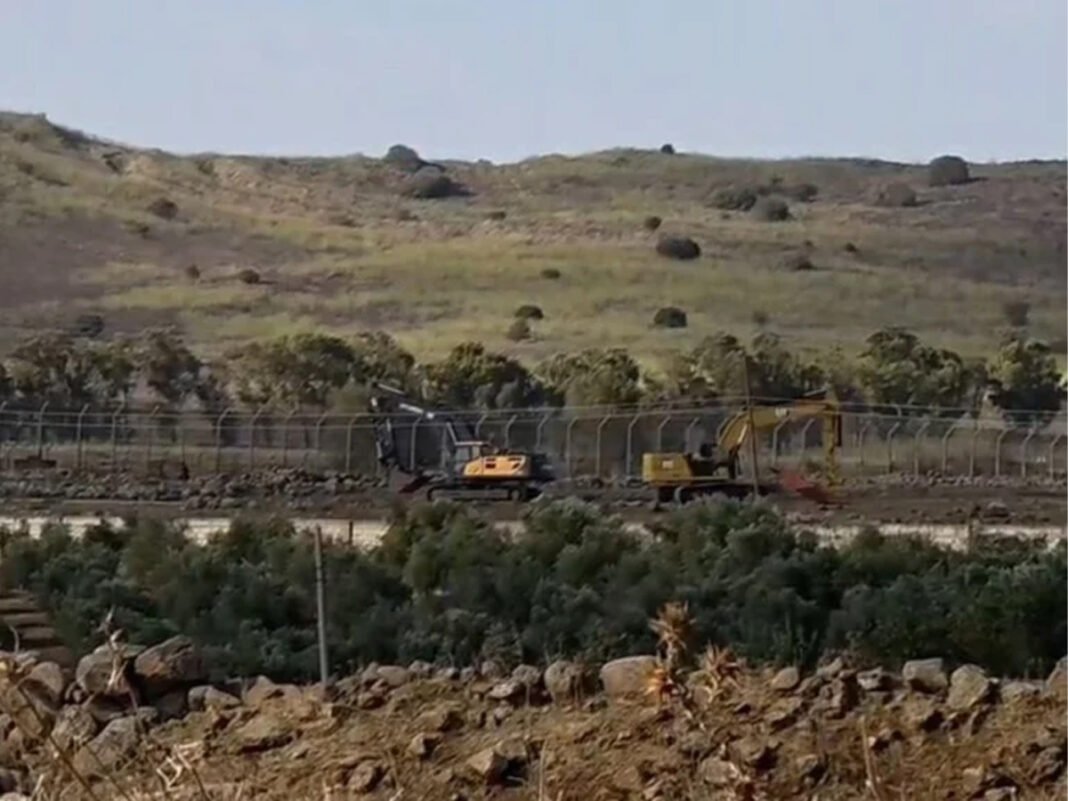
In a statement issued on Sunday, the Syrian Ministry of Foreign Affairs said Israeli forces were carrying out excavation work west of Al-Asha village in the Quneitra countryside, inside the buffer zone established by the 1974 Disengagement of Forces Agreement.
What the Syria Golan excavation involves
According to Syria’s official channel, the Israeli plan calls for an eight-metre-wide military road fortified with earthen berms up to five metres high, along with trenches and observation posts running alongside the occupied Golan Heights.
Damascus described the works as a clear breach of the 1974 agreement and a flagrant violation of international resolutions. The ministry said Israel’s “continued aggressive approach, along with its attacks and field incursions, constitutes a direct threat to regional security and stability and undermines international law.”
It called on the international community to “assume its responsibilities and take effective deterrent measures to put an end to these violations and prevent their recurrence.”
A pattern of incursions, says Damascus
Syria says the excavation is part of a deeper Israeli push into the south. The Foreign Ministry recorded 65 Israeli incursions in July and 52 more during the first 18 days of August. It also reported 147 detentions of Syrians since the start of the year, 49 of whom remain in custody, along with home raids in Quneitra and the Damascus countryside.
Foreign Minister Asaad Al Shaibani told the 70th session of the IAEA General Conference in September that Israel continued to violate Syria’s sovereignty, and said regional stability depended on Israel returning to the 1974 agreement and withdrawing to the lines that existed before December 8, 2024.
The wider Golan dispute
Israel captured the Golan Heights from Syria in the 1967 war and extended its laws to the territory in 1981, a move the United Nations has never recognised. Since the fall of the Assad government, Israeli forces have expanded their presence beyond the old separation area into parts of Quneitra and western Daraa, drawing repeated protests from Damascus.
Earlier this year, senior Israeli and Syrian officials met in Paris under American auspices for talks centred on Syria’s sovereignty and Israel’s security, but the diplomacy has yet to change the situation on the ground.
Frequently asked questions
What is the ‘Sufa 53’ project?
It is the name Israel gives to works west of Al-Asha village near the Golan Heights, involving a military road, high earthen berms, trenches and observation posts inside the 1974 buffer zone, according to Syria.
What is the 1974 Disengagement of Forces Agreement?
A deal between Israel and Syria that created a buffer zone between their forces after the 1973 war. Syria says the current works violate it; Israel has not publicly responded to the latest complaint.
Why is the Golan Heights disputed?
Israel seized the territory from Syria in 1967 and annexed it in 1981, a step rejected by the UN. Syria regards it as occupied Syrian land and demands its return.