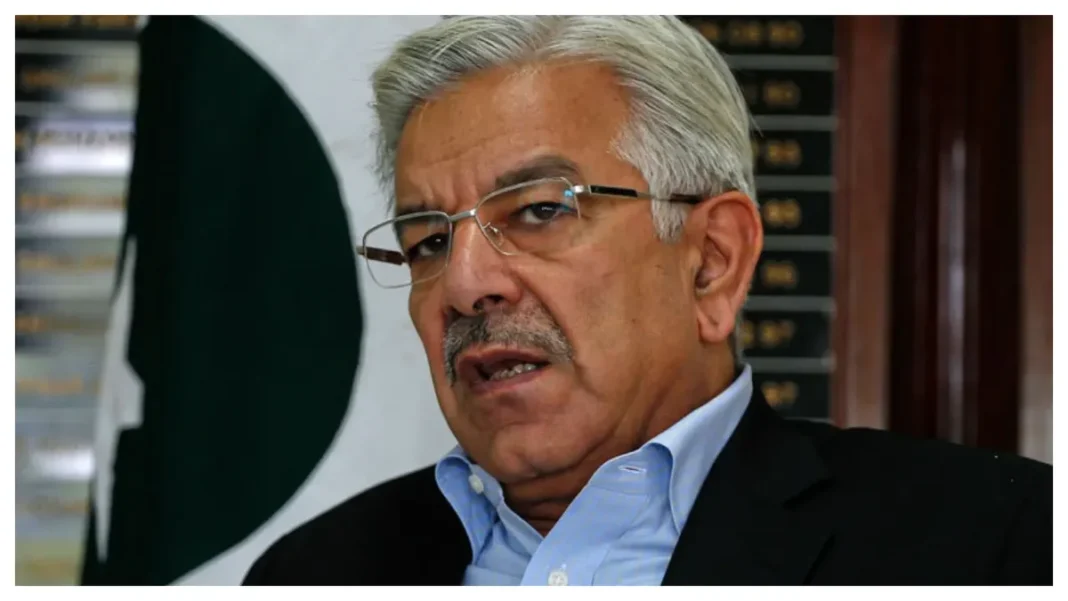
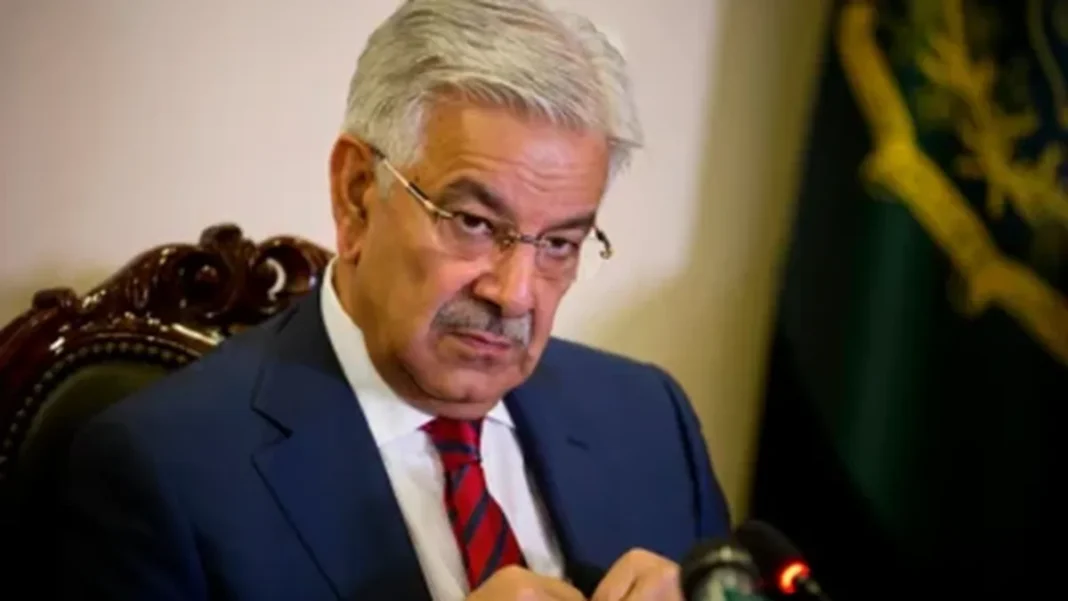
The wazir-e-difa — وزیر دفاع, Pakistan’s federal defence minister — sits at the intersection of civilian government and the armed forces. This guide explains what the office actually controls, what it does not, and how it relates to the military command.
Quick answer: The wazir-e-difa (defence minister) of Pakistan heads the Ministry of Defence, handling defence policy, the defence budget, military-related legislation and parliamentary oversight of defence matters. Operational command of the armed forces rests with the services chiefs; the minister provides civilian-political direction. The office is held by Khawaja Muhammad Asif since March 2024.
In this guide
The Constitutional Role
Under the Constitution, executive authority vests in the Prime Minister and cabinet; the wazir-e-difa exercises the government’s authority over defence affairs. The minister answers to Parliament for the defence budget and defence policy, represents Pakistan in defence diplomacy, and is the civilian face of the country’s security establishment in cabinet. If you are asking simply who holds the office, see Wazir Difa of Pakistan: who is the defence minister in 2026.
Powers and Responsibilities
The defence minister’s working powers include: framing defence policy for cabinet approval; steering the defence budget through Parliament; overseeing defence production — Pakistan’s military-industrial complex including the Pakistan Aeronautical Complex and Heavy Industries Taxila; handling legislation affecting the armed forces (such as amendments to the Army Act); managing inter-services organisations on the civilian side; and conducting defence diplomacy — military cooperation agreements and strategic dialogues with other countries.
What the Minister Does Not Control
An honest guide must state the limits. Operational command of the Army, Navy and Air Force rests with their respective services chiefs, not the minister. Promotions and postings within the services follow military channels. In Pakistan’s political history, the balance between the defence ministry and the military establishment has been one of the most debated subjects in civil-military relations — a debate that continues in Parliament, the press and the courts.
Defence Production: The Extra Portfolio
Khawaja Asif also holds Defence Production, the division overseeing military manufacturing and exports — from JF-17 Thunder co-production to the export of trainer aircraft and armoured vehicles. Combined with his Aviation portfolio (see our Ministry of Aviation guide), the current wazir-e-difa controls an unusually wide span of the security-industrial landscape.
The Civil-Military Balance
No discussion of the wazir-e-difa is complete without Pakistan’s defining institutional question: where civilian authority ends and military autonomy begins. The Constitution places the armed forces under the federal government’s command, and the 27th Amendment (November 2025) amended Article 243 on the command of the armed forces. In practice, the defence minister’s real influence depends on the government’s overall relationship with the military establishment — strong in some eras, nominal in others. Parliamentary oversight through the National Assembly’s Defence Committee provides one formal check, though its effectiveness is regularly debated.
Frequently Asked Questions
What does wazir-e-difa mean?
It is Urdu for “defence minister” (وزیر دفاع) — the federal minister heading Pakistan’s Ministry of Defence.
What are the powers of Pakistan’s defence minister?
Defence policy, the defence budget, military-related legislation, oversight of defence production, and defence diplomacy. Operational command of the armed forces rests with the services chiefs.
Who is the current wazir-e-difa?
Khawaja Muhammad Asif (PML-N), in office since 12 March 2024, also holding Defence Production and Aviation as additional portfolios.