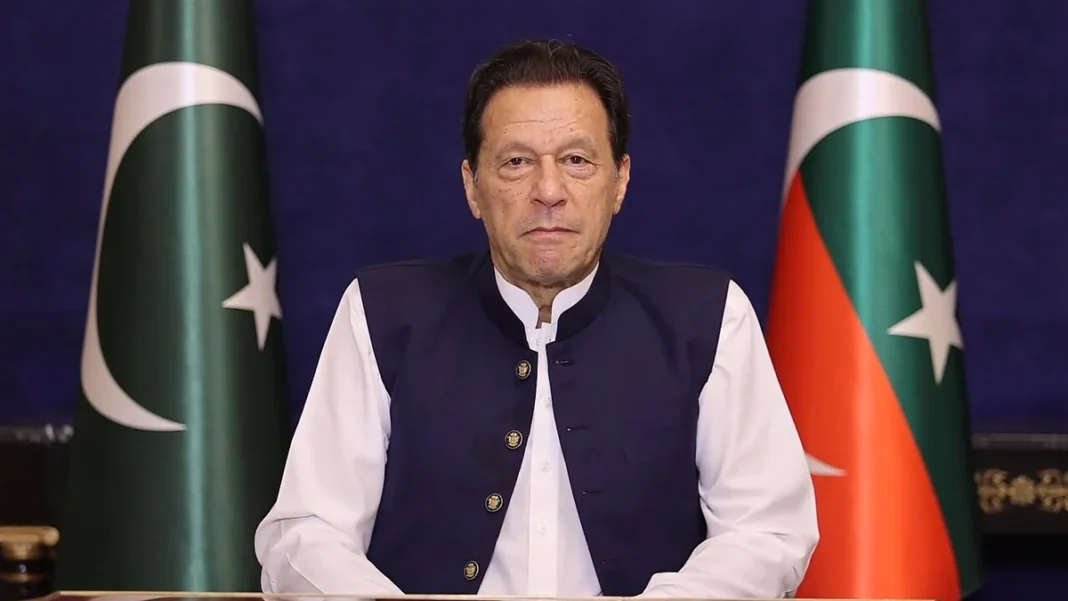
Twenty-two years after founding his party, Imran Khan walked into Aiwan-e-Sadr and took the oath as Pakistan’s 22nd prime minister. The date — 18 August 2018 — closed one of the longest climbs in Pakistani political history and opened its most turbulent premiership. Here is exactly how it happened, step by step.
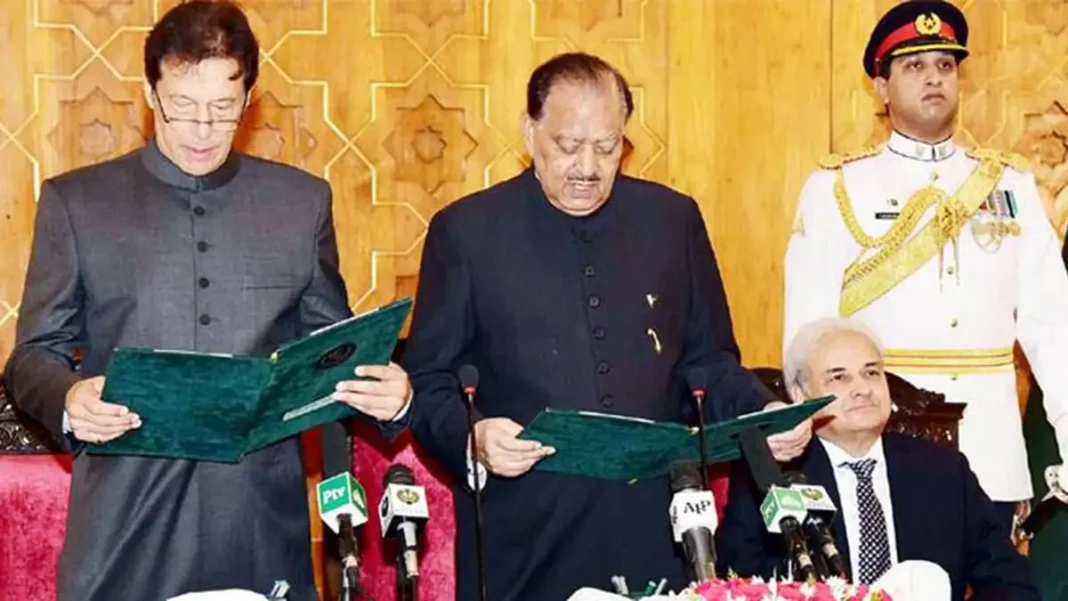
Quick answer: Imran Khan became prime minister on 18 August 2018, when he took the oath at Aiwan-e-Sadr (the Presidency) in Islamabad, administered by President Mamnoon Hussain. The day before, the National Assembly had elected him with 176 votes after the PTI’s victory in the 25 July 2018 general election.
In this guide
25 July 2018: The Election
Polling day delivered the verdict Khan had chased for two decades: the PTI emerged as the largest party with 149 National Assembly seats — short of the 172 needed for a majority, but far ahead of the PML-N (82) and PPP (54). The opposition cried rigging — the results transmission system famously failed on the night — but the numbers stood. Khan claimed victory the next day, promising accountability and a welfare state, and began assembling coalition partners: the MQM-P, PML-Q, BNP-Mengal and independents.
17 August: Elected by the Assembly
With his coalition stitched together, Khan faced the PML-N’s Shehbaz Sharif in the prime-ministerial vote. The National Assembly elected him with 176 votes to Sharif’s 96. The 22-year journey — from a party that won one seat in 2002 to the treasury benches — was complete. That evening, the prime minister-elect visited a hospital, met well-wishers, and prepared for the formalities of office.
18 August: The Oath at Aiwan-e-Sadr
On the morning of Saturday, 18 August 2018, Imran Khan arrived at Aiwan-e-Sadr, the Presidency in Islamabad. In a ceremony heavy with state protocol, President Mamnoon Hussain administered the oath of office, making Khan Pakistan’s 22nd prime minister. He signed the register, inspected the guard of honour, and was formally received as the country’s chief executive. The cricket captain who had lifted the World Cup in Melbourne 26 years earlier had now lifted the highest office in the land.
The First Days in Office
The symbolism came fast: Khan declined the palatial Prime Minister House for the Military Secretary’s residence, ordered an austerity drive (including the auction of official vehicles), and announced his cabinet — with Asad Umar as finance minister and Shah Mahmood Qureshi as foreign minister. His first address to the nation laid out the agenda: accountability, austerity, and the Ehsaas welfare vision. Within weeks, the economic crisis forced the IMF negotiations that would shadow his entire tenure. The full record of what followed: Imran Khan’s Government (2018–2022) — and the complete biography: Imran Khan: Pakistan’s Prime Minister (2018–2022).
Frequently Asked Questions
On what date did Imran Khan become prime minister?
18 August 2018 — the day he took the oath of office at Aiwan-e-Sadr, Islamabad.
Who administered Imran Khan’s oath?
President Mamnoon Hussain, at a ceremony at the Presidency (Aiwan-e-Sadr) on the morning of 18 August 2018.
How many votes did Imran Khan get to become PM?
176 votes in the National Assembly on 17 August 2018, defeating Shehbaz Sharif (96 votes) — four more than the 172 needed for a simple majority.
Which number prime minister of Pakistan is Imran Khan?
The 22nd prime minister of Pakistan (counting repeat office-holders once).
Related Guides
- Imran Khan: Pakistan’s Prime Minister (2018–2022) — the full story, from World Cup to Adiala Jail
- Imran Khan’s Government (2018–2022) — what the PTI years are remembered for
- Prime Minister in Urdu — what وزیر اعظم means and how to say it
- Nawaz Sharif: Three Terms as PM — the man Khan’s movement displaced