

World Bank tells Pakistan to remove needless business rules
World Bank tells Pakistan to remove needless business rules
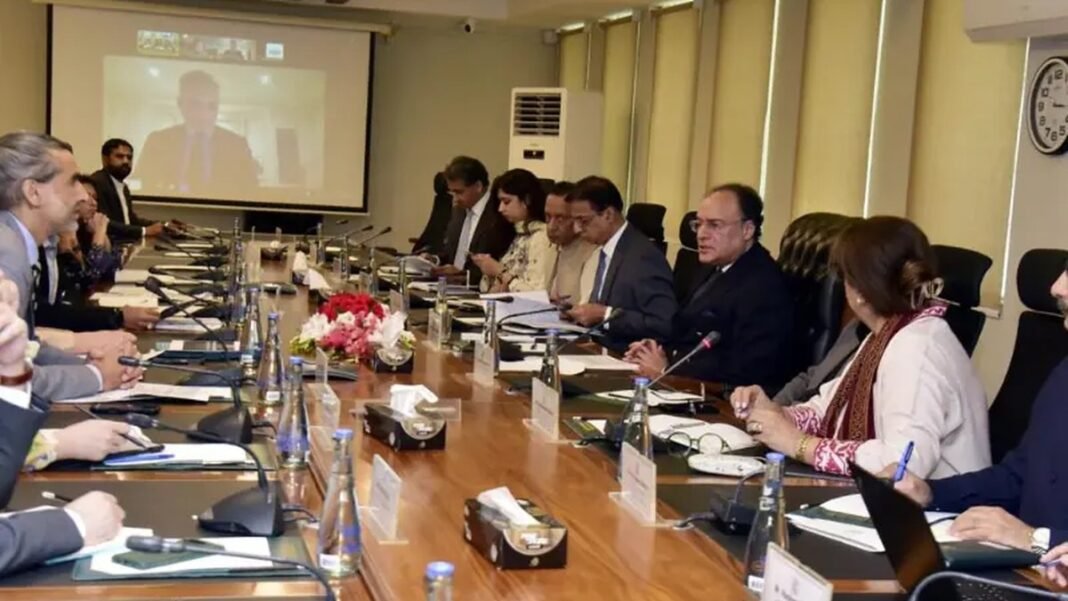
The World Bank has asked Pakistan to remove needless business rules and cut regulatory constraints as part of a proposed growth and jobs operation, ProPakistani reported on Friday. The World Bank business rules Pakistan discussion took place during a meeting between Federal Minister for Finance and Revenue Senator Muhammad Aurangzeb and a World Bank delegation led by Country Director Bolormaa Amgaabazar.
The two sides met to review progress on economic reforms and implementation priorities, with a focus on investment, jobs and private-sector-led growth.
Growth and jobs operation centres on deregulation
The proposed World Bank growth and jobs operation includes measures to improve the investment climate, increase access to finance and raise productivity across sectors. The Bank proposed steps to reduce regulatory and business constraints, improve financing for small and medium-sized enterprises, and develop export-finance products for the EXIM Bank of Pakistan to support trade.
The two sides also discussed strengthening the Prime Minister’s Access to Finance initiative through a unified insolvency framework and factoring legislation aimed at expanding SME financing.
World Bank business rules Pakistan review covers sectors and tariffs
Sector-specific reforms were also reviewed, covering pharmaceuticals, medical products and agriculture. These include changes to seed registration, deregulation of selected commodities and stronger international accreditation to help Pakistani businesses access international markets.
The meeting covered tariff reforms under the National Tariff Policy, including work on the automotive sector, aimed at improving competitiveness, productivity, investment and exports.
On tax reforms, the World Bank is providing technical assistance for the Medium-Term Revenue Strategy and revenue-policy modelling. Discussions covered GST harmonisation, federal-provincial coordination and improved tax data sharing. Agricultural income tax reforms and provincial property-tax changes were also reviewed, including digital systems for registration, filing and payments, and more market-based property valuations.
From reform design to implementation
Aurangzeb stressed the need to move from designing reforms to implementing practical measures that produce measurable improvements in economic activity, investment, jobs and the business environment. Both sides agreed to continue cooperation on economic reforms, with a focus on private-sector-led growth, stronger investment, institutional improvements and more efficient use of public resources.
The meeting is the latest in a series of engagements as Islamabad seeks to translate reform blueprints into results that businesses can feel — fewer permits, faster registrations and cheaper finance.
FAQs
What did the World Bank ask Pakistan to do?
The Bank proposed reducing regulatory and business constraints, improving SME financing, and developing export-finance products for the EXIM Bank of Pakistan under a proposed growth and jobs operation.
Who met the World Bank delegation?
Finance Minister Muhammad Aurangzeb met the delegation, led by World Bank Country Director Bolormaa Amgaabazar, on Friday to review economic reforms and implementation priorities.
Which sectors were covered in the reforms review?
Pharmaceuticals, medical products and agriculture — including seed registration changes, deregulation of selected commodities and stronger international accreditation — plus tariff reforms under the National Tariff Policy covering the automotive sector.
What tax reforms were discussed?
Technical assistance for the Medium-Term Revenue Strategy, GST harmonisation, federal-provincial coordination, tax data sharing, agricultural income tax reforms and provincial property-tax changes with digital systems and market-based valuations.