A good PCOS diet plan can calm hormones and steady energy. It focuses on fibre, protein, and slow-release carbohydrates every day. In addition, it limits sugar and highly processed foods. This PCOS diet plan supports weight, skin, and regular cycles.
Food matters because insulin plays a central role in PCOS. High insulin tells the ovaries to make more androgens. As a result, acne, hair growth, and irregular periods worsen. A steadier plate, however, lowers insulin and eases those signs.
This guide gives simple rules that fit any cuisine or budget. Moreover, it lists foods to eat and foods to limit. Finally, it shares a sample day and easy shopping tips. Small swaps, repeated daily, bring the biggest long-term change.
How a PCOS Diet Plan Balances Hormones
Balanced meals slow the rise of blood sugar after eating. Fibre from vegetables and legumes slows digestion in the gut. Protein, meanwhile, keeps hunger away for much longer. Consequently, insulin stays lower and cravings lose their power.
Healthy fats also support hormone health in quiet ways. Olive oil, nuts, seeds, and oily fish reduce inflammation. In fact, omega-3 fats may improve insulin sensitivity over time. A small daily portion, therefore, earns its place on the plate.
Regular meal timing matters almost as much as food choice. Long gaps often lead to large, sugary meals later. Instead, eat three steady meals and one planned snack. Our guide to PCOS symptoms explains the insulin link in detail.
Foods to Eat on a PCOS Diet Plan
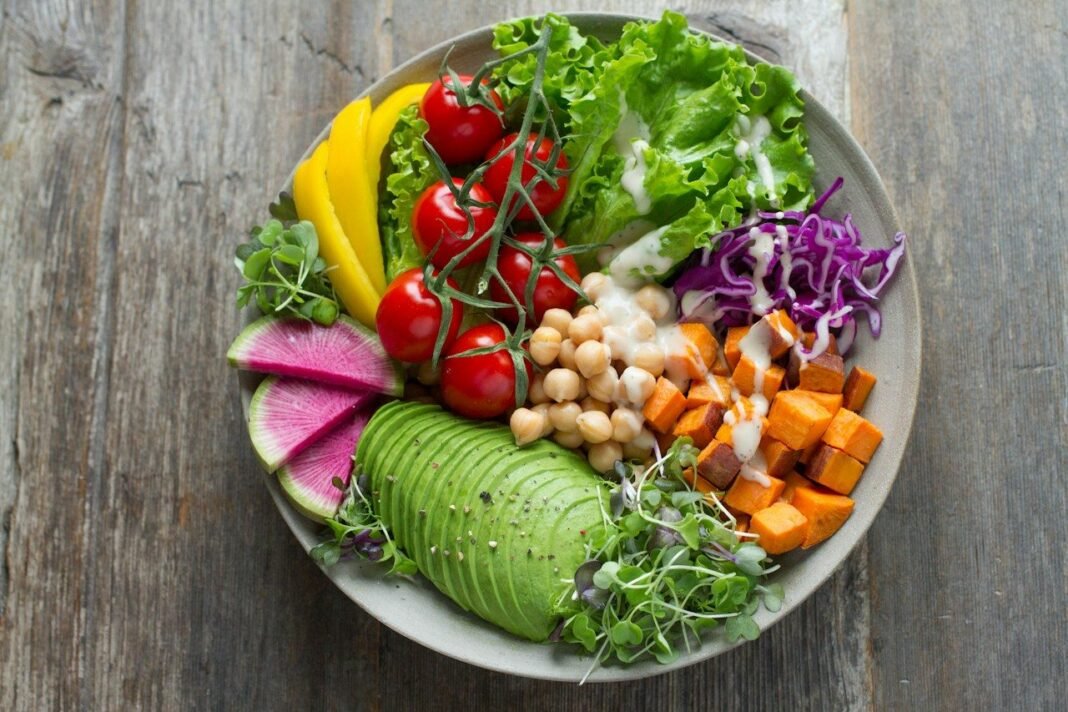
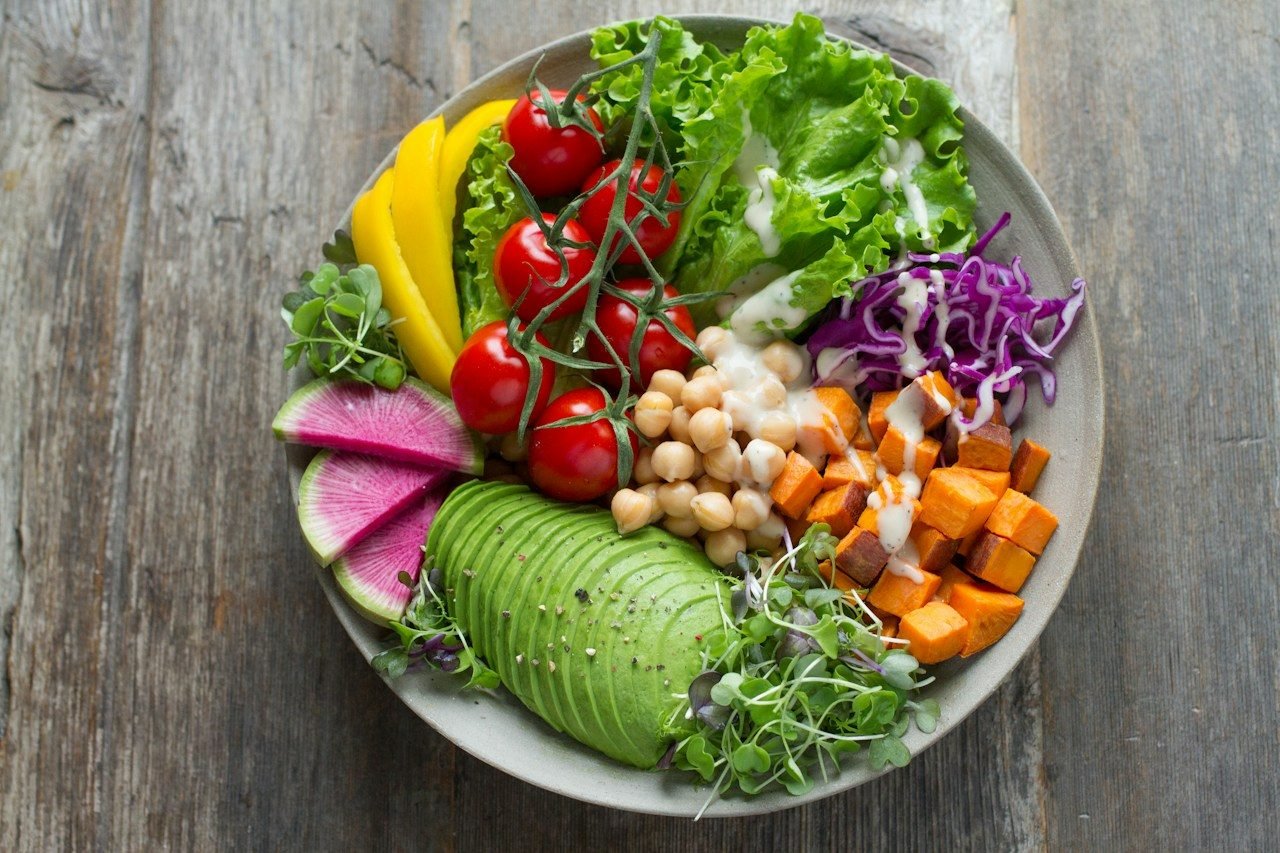
Build most meals around vegetables and lean protein first. Leafy greens, peppers, courgettes, and tomatoes add bulk without calories. Eggs, chicken, fish, lentils, and beans then provide protein. For example, a lentil soup with salad makes a filling lunch.
- Choose whole grains such as oats, brown rice, and quinoa.
- Add a palm-sized portion of protein at every meal.
- Include nuts, seeds, or olive oil in small amounts.
- Pick whole fruit instead of juice or dried fruit.
- Drink water, sparkling water, or unsweetened tea most often.
Calcium and vitamin D also deserve a place in planning. Plain yoghurt, milk, or fortified alternatives supply both nutrients well. Moreover, leafy greens add calcium for women avoiding dairy foods. A varied basket, in short, covers most daily needs.
Foods to Limit on a PCOS Diet Plan
Sugary drinks push insulin up faster than almost anything else. Sodas, sweet teas, energy drinks, and juices act very quickly. As a result, they drive cravings for the rest of the day. Water with lemon, instead, refreshes without the sugar spike.
Refined snacks also work against steady blood sugar control. White bread, pastries, biscuits, and sweets digest very fast. In addition, fried snacks add calories with very little nutrition. An occasional treat is fine, but daily habits matter most.
Alcohol deserves care in any hormone-friendly eating plan. It adds empty calories and disturbs sleep and blood sugar. Meanwhile, late-night eating often follows an evening drink. Limiting alcohol, consequently, supports both weight and cycle goals.
A Simple Sample Day on a PCOS Diet Plan
Start the morning with protein, fibre, and healthy fat. Oats with berries, nuts, and plain yoghurt work well. Alternatively, eggs with vegetables and wholegrain toast keep you full. A steady start, above all, prevents mid-morning sugar cravings.
Lunch and dinner can follow one simple plate formula. Fill half the plate with vegetables or salad first. Then add one quarter protein and one quarter whole grains. For instance, grilled fish, quinoa, and greens fit perfectly.
Plan one snack instead of grazing through the afternoon. An apple with peanut butter gives fibre, fat, and protein. A small handful of nuts also works very well. Planned snacks, therefore, protect the plan from sudden hunger.
Shopping and Eating Out Without Stress
A short shopping list keeps healthy choices easy all week. Stock frozen vegetables, beans, eggs, yoghurt, and whole grains. Moreover, keep fruit visible and sweets out of sight. Simple surroundings quietly support better choices every single day.
Restaurants still fit inside a flexible, friendly plan. Choose grilled dishes, salads, and vegetable sides more often. Ask for sauces and dressings on the side, for example. The Mayo Clinic overview of PCOS care also stresses lifestyle change. Balance, in other words, beats strict and short-lived dieting.
Women with diabetes risk need extra care with carbohydrates. Our guide to type 2 diabetes causes and management explains sugar control clearly. Indeed, steady habits protect both hormones and blood sugar. Please seek personal advice before starting any strict diet.
Frequently Asked Questions About a PCOS Diet Plan
Must I stop eating carbohydrates completely?
No, the body needs carbohydrates for energy and mood. The type and portion of carbohydrate matter far more. Whole grains and legumes release energy much more slowly. Consequently, they support insulin far better than refined foods.
How soon can a PCOS diet plan show results?
Many women notice steadier energy within two to four weeks. Cycles and skin, however, often need three months to respond. Weight change also tends to arrive slowly and steadily. Patience, finally, turns a short diet into a lifestyle.
Are dairy foods bad for PCOS?
Dairy suits many women and provides protein and calcium. Some women, meanwhile, notice more acne with large amounts. Track your own response for a few weeks, for instance. A dietitian can then adjust the plan to you.
This article gives general information only and not medical advice. Please see a qualified doctor or dietitian for personal guidance. Steady eating, in the end, is powerful daily medicine.