


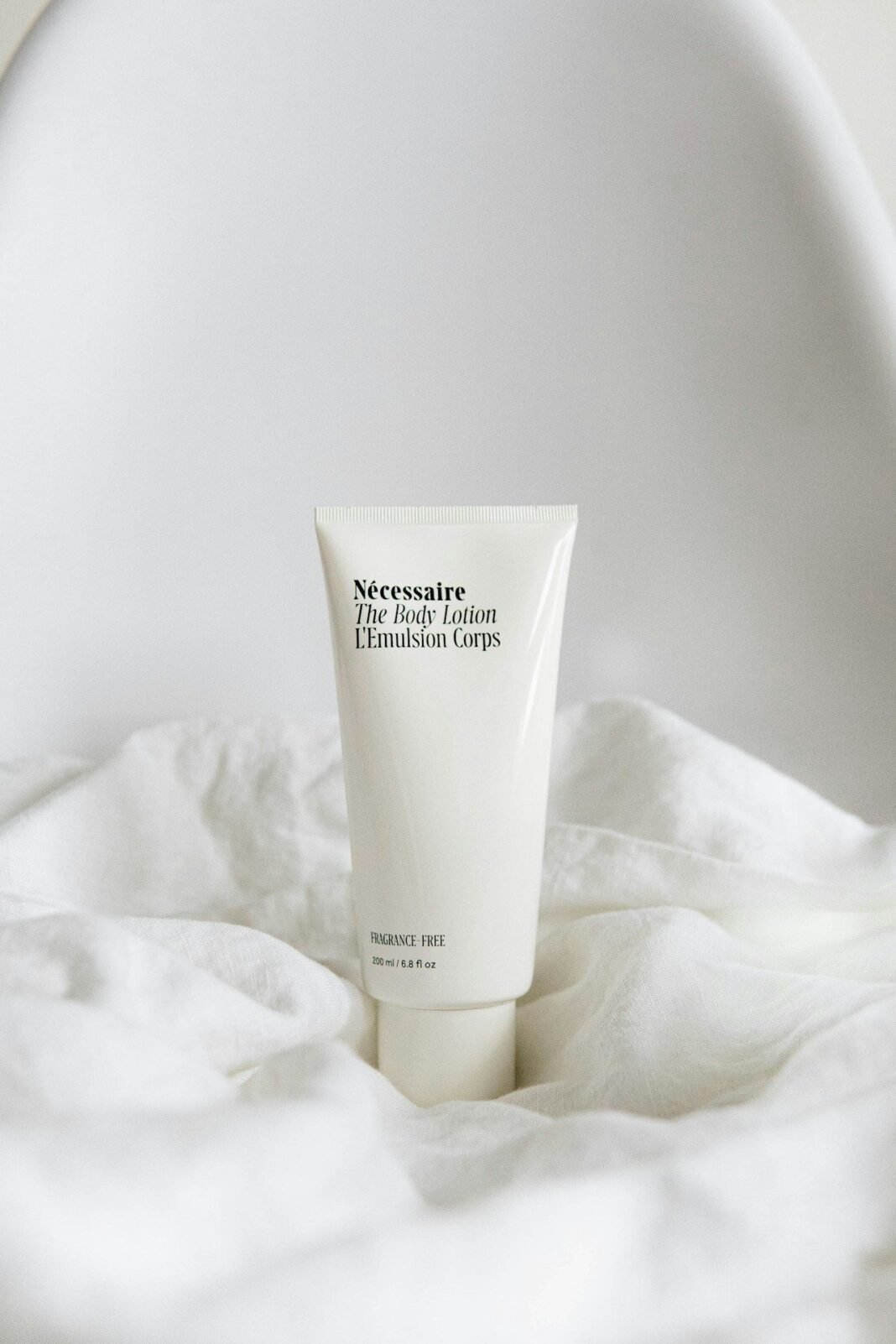
Winter arrives, and suddenly your reliable moisturiser stops being enough. Skin feels tight, looks dull, and drinks up every cream you apply. This is exactly when a vitamin B serum enters the skincare conversation. But is it genuinely worth buying this winter?
“Vitamin B serum” usually means niacinamide, which is vitamin B3 in skincare form. Some formulas use panthenol, known as vitamin B5, instead. Both ingredients target the dryness and sensitivity winter creates, however. As a result, this is one seasonal product with real logic behind it.
This honest guide explains what the serum actually does daily. Moreover, it tells you clearly who should buy it and who can skip it. Does your winter skin feel tight by midday lately? Keep reading, in short, for your personal verdict.
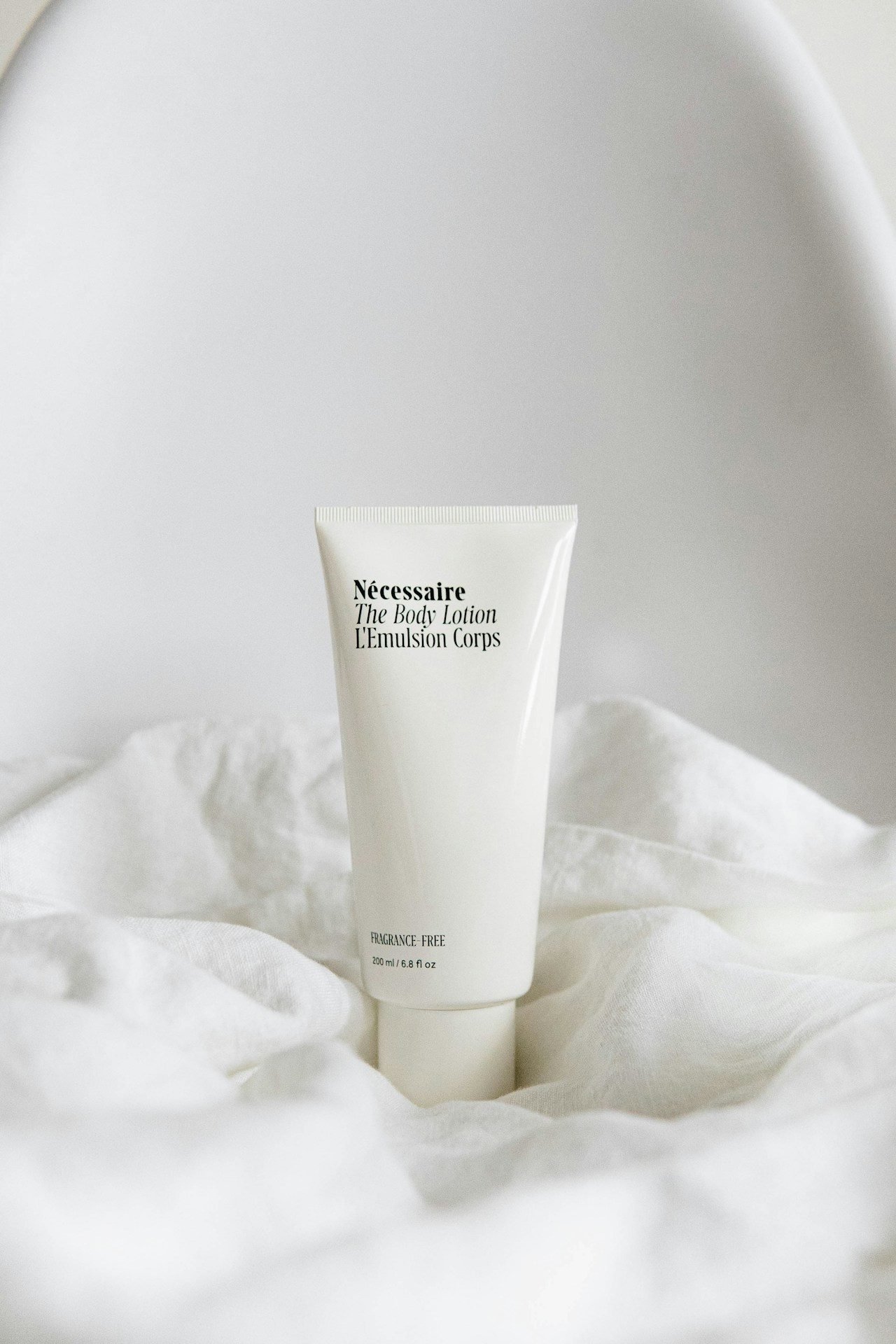
What a Vitamin B Serum Actually Does
Niacinamide supports the skin barrier, your skin’s protective outer wall. A stronger barrier holds water in and keeps irritants out, instead. It also supports ceramide production, which winter skin desperately needs, meanwhile. The American Academy of Dermatology stresses barrier care for dry seasonal skin. Panthenol, in addition, pulls moisture in and calms visible redness.
Unlike heavy creams, a vitamin B serum works below the surface quietly. It will not grease your face or block your pores, for example. Most skin types tolerate niacinamide remarkably well every day, in fact. That tolerance, consequently, makes it a safe winter experiment.
Why Winter Skin Loves a Vitamin B Serum
- Cold outdoor air and indoor heating both strip moisture fast.
- A supported barrier reduces flaking, tightness, and sensitivity.
- Niacinamide helps fade the dull, uneven look winter brings.
- It layers under any moisturiser without feeling heavy.
- Calmer skin reacts less to wind, scarves, and hot showers.
Our dry skin hydration routine covers the full winter routine around it. Think of the serum as the routine’s quiet engine room, instead. Creams seal the surface while the serum supports repair underneath, meanwhile. Together, as a result, they outperform either product alone.
Who Should Buy It, and Who Can Skip It
Buy it if your skin feels tight, flaky, or reactive in winter. Buy it if makeup settles into dry patches by afternoon, for instance. Our guide to reducing dark spots also rates niacinamide highly for uneven tone. Oily and combination skin, in addition, usually love its light texture.
Skip it if your current moisturiser already lists niacinamide high up. Doubling the same ingredient rarely doubles the benefit, however. Skip it, too, if your skin is calm, hydrated, and happy already. Honest skincare, in other words, buys solutions for actual problems.
How to Choose and Use It Correctly
Look for niacinamide between five and ten percent on the label. Higher percentages raise irritation risk without guaranteed extra benefit, instead. Apply the vitamin B serum after cleansing and before moisturiser daily. Two or three drops cover the whole face comfortably, meanwhile.
Patch test any new serum on your jawline for two days first. Introduce it once daily, then build to twice if skin stays calm, for example. Pair it with a gentle cleanser and a richer night cream in winter. Sunscreen still matters on bright winter mornings, finally, so never skip it.
Frequently Asked Questions
How long before a vitamin B serum shows results?
Hydration and comfort often improve within the first week noticeably. Tone and texture changes usually need four to six weeks, though. Take a photo in the same light every Sunday, instead. Slow proof, in other words, beats hopeful mirror guessing.
Can I use a vitamin B serum with vitamin C?
Modern formulas generally layer these two ingredients without problems today. Sensitive skin may still prefer them at different times, however. Use vitamin C in the morning and B serum at night, for example. Comfort, consequently, is the sign your layering works.
Is a vitamin B serum safe for sensitive skin?
Niacinamide is one of the best-tolerated active ingredients available generally. Start with a lower percentage and every-other-day use, instead, if unsure. Stop immediately if burning or a rash appears at all, meanwhile. Gentle introductions, finally, protect both skin and wallet.
Verdict: for dry, dull, winter-stressed skin, yes, it earns its place. One small bottle can carry your barrier through the whole season. Will you try one this winter? Tell us your skin type below.

 and panthenol (B5) do for dry winter skin, who should buy one, and who can skip it.)