Trump Says Iran War Effectively Over
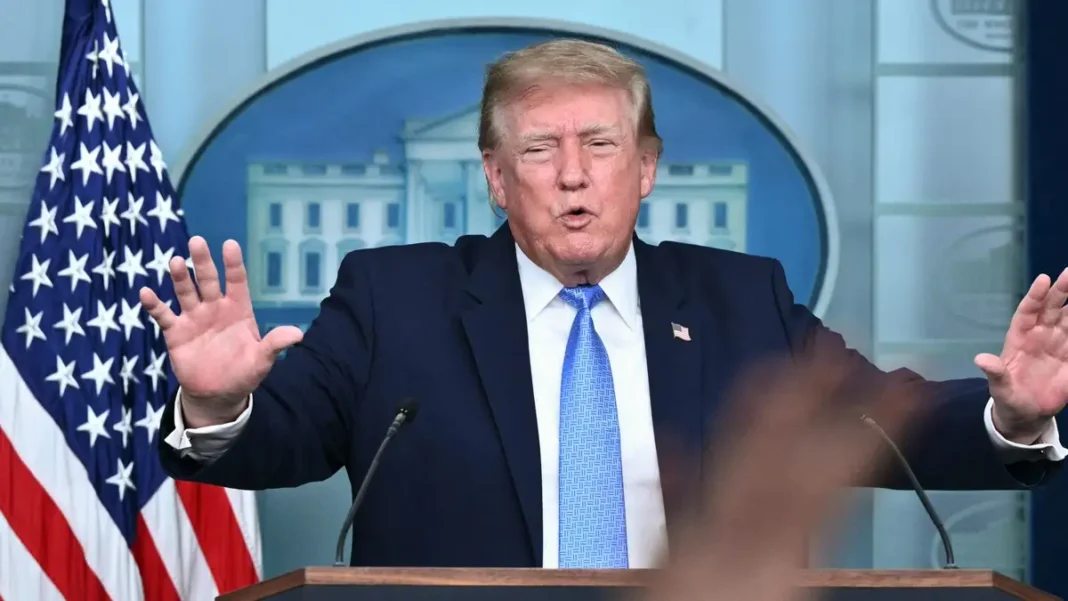
US President Donald Trump has declared the Iran war effectively over in military terms, adding that new strikes do not look necessary for now. He spoke after meeting Qatar’s prime minister in Washington on Monday, in a surprise appearance in the White House briefing room.
“Iran militarily is effectively over. We’re just keeping it the status quo,” Trump told reporters. He said Iran had been “decapitated” and that talks were moving in a good direction. “They’re talking to us, and they’re talking very politely, and we’ll see what happens,” he said.
Trump said he saw “positive momentum” and a “good chance” that the war could end. Qatar and other Gulf states have urged Washington not to restart the fighting.
The Iran war effectively over, but the blockade stays
Trump gave no sign of pulling back the thousands of US troops deployed in the waters off Iran. He said the US naval blockade, which aims to stop Iranian oil from reaching world markets, will continue.
“We’re keeping it going. We have the greatest military blockade ever,” he said.
Trump also said a long-term solution is still needed to make sure Iran cannot build a nuclear weapon.
At the same time, Trump did not rule out a return to fighting. “The military action doesn’t seem to be a very necessary thing, but we’re locked and loaded, ready to go for any reason that changes,” he said.
Talks after the Qatar meeting
The remarks came after a closed-door meeting with Qatar’s Prime Minister Sheikh Mohammed bin Abdulrahman bin Jassim Al Thani and US Vice President JD Vance. The Qatari prime minister called the talks positive and said the two sides had discussed the situation in the region and ways to move US-Iran talks forward.
Trump said Qatar, Saudi Arabia, the UAE, Bahrain and Kuwait would prefer the current position to hold.
When reporters asked why he did not simply declare the conflict over, Trump said the talks were going well. Iranian officials dismissed his remarks as “fake news”, Al Jazeera reported.
What Tehran wants before nuclear talks
Tehran has set several conditions before it will hold nuclear talks. These include an end to the US blockade of its ports, the lifting of sanctions, the unfreezing of its assets, payment for war damage and an end to hostilities across the region, including Israeli operations in Lebanon.
In a CNN interview on Sunday, Trump said that if talks moved ahead and Iran signed a “strong agreement”, it was “highly unlikely” the US would need to resume strikes. He added that the US had picked infrastructure targets, including 38 bridges, that it would hit if fighting restarted.
The war began on February 28 with US-Israeli strikes on Iran. Since then, the fighting has shaped oil prices, shipping and diplomacy across the Middle East.
What this means for Pakistan
The shift matters for Pakistan because the war has pushed up oil prices and shipping costs. Oil prices fell almost five per cent as Trump signalled restraint on Iran, and any lasting pause would ease pressure on fuel prices at home.
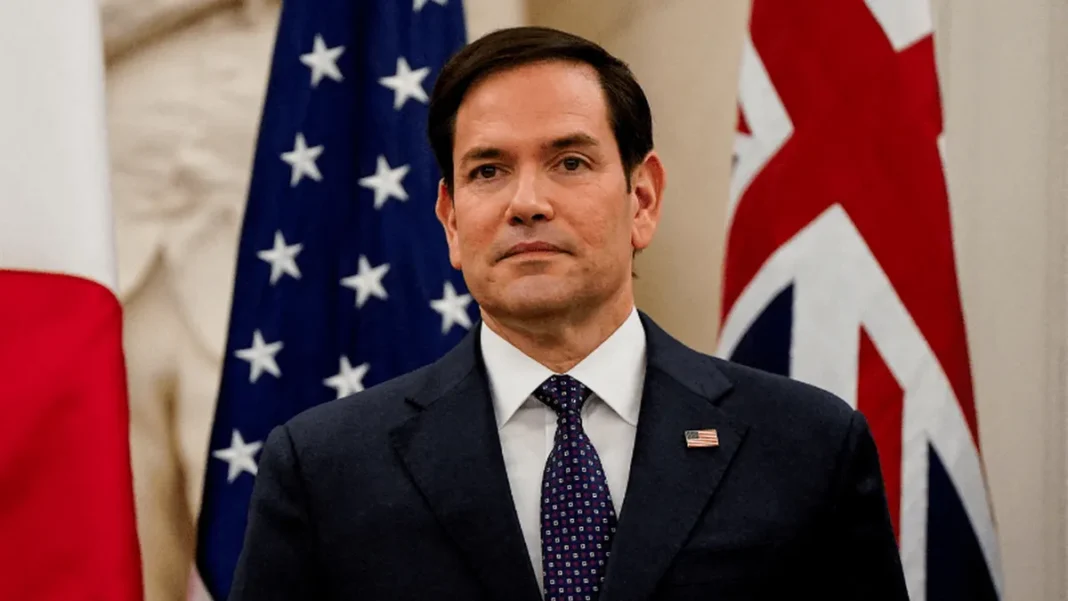
The diplomacy around the war is also moving on other fronts. G7 ministers pressed Marco Rubio on Iran and Ukraine at talks in Paris, while Europe is set to join Ukraine talks in Abu Dhabi. Trump had earlier said a war with Iran was highly unlikely if talks made progress, and his defence secretary has defended the Iran war as historic.
Frequently asked questions
What did Trump say about the Iran war?
Trump said the war was “effectively over” in military terms and that new strikes did not look necessary for now, though he kept the option open.
Will the US naval blockade on Iran continue?
Yes. Trump said the blockade will stay in place and called it the greatest military blockade ever. It aims to stop Iranian oil from reaching world markets.
What conditions has Iran set for nuclear talks?
Tehran wants an end to the US blockade of its ports, sanctions lifted, frozen assets released, payment for war damage and an end to hostilities across the region.
When did the war begin?
The war began on February 28 with US-Israeli strikes on Iran.
What does this mean for oil prices?
Oil prices fell almost five per cent when Trump signalled restraint. A lasting pause would ease pressure on fuel prices in oil-importing countries such as Pakistan.